Back to Blogs

Your front door does more than welcome guests into your home. It also creates an important barrier between your living space and the weather outside. When gaps, worn weatherstripping, or an aging door allow outside air to enter, your home may become less comfortable and more difficult to cool.
That’s especially important in hot, humid climates like ours, where keeping cooled air inside can make a difference in your home’s comfort. Frequent rain and Gulf Coast weather can also take a toll on exterior doors over time. Knowing how to weatherproof your front door can help you address minor issues and determine when it may be time for a replacement.
Key Takeaways
- Visible daylight, damaged weatherstripping, and uneven temperatures can indicate air leaks near your front door.
- Carefully resealing the weatherstripping from both the interior and exterior with caulk can repair simple issues.
- Properly weatherproofing your front door keeps out harsh temperatures and moisture.
- Persistent drafts can indicate an issue with the door, frame, or system itself.
Signs your front door may not be properly sealed
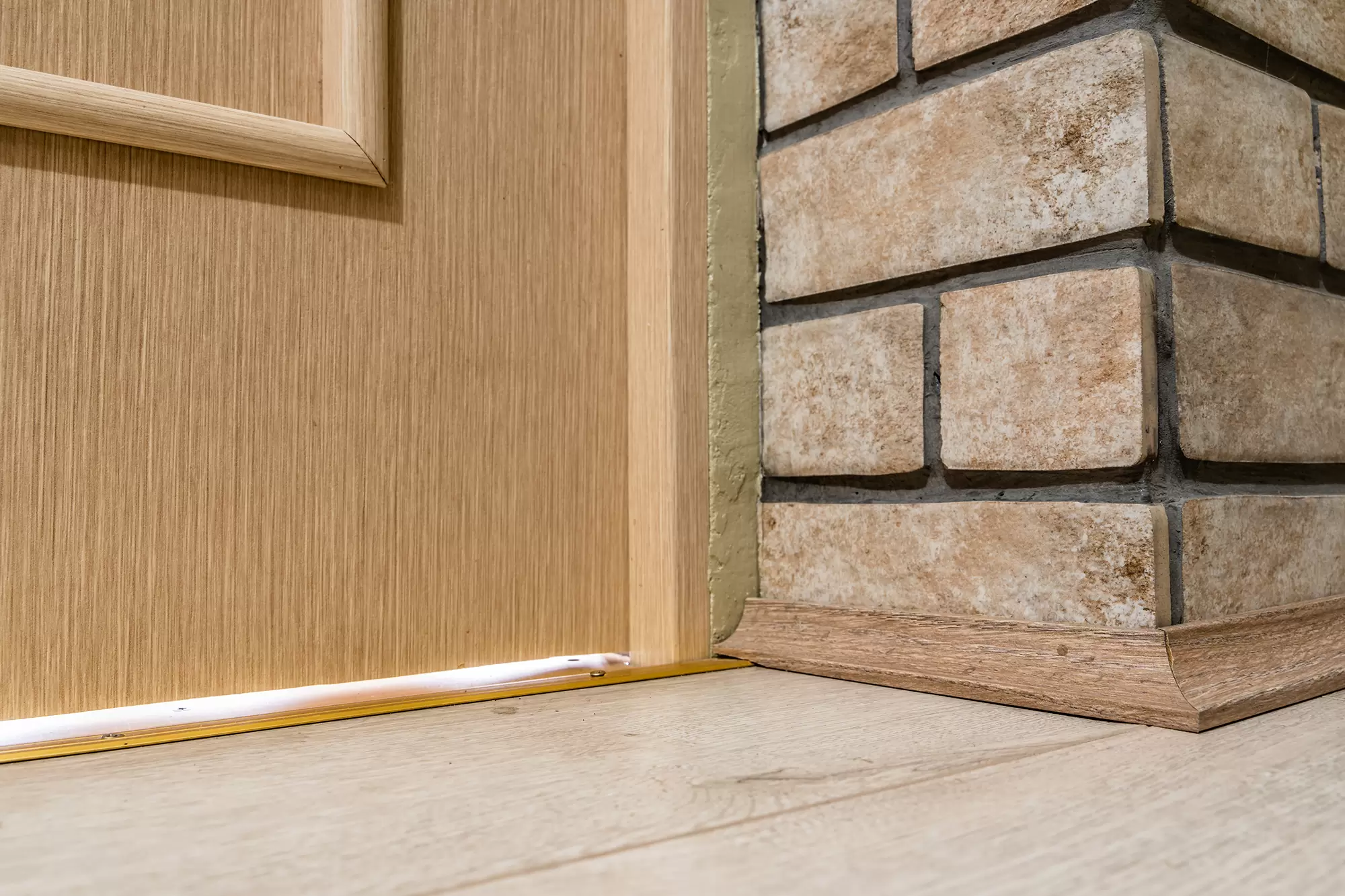
Air leaks aren’t always obvious. You may notice a draft near the closed door or find that your entryway feels warmer or cooler than the rest of the room. Sometimes, the signs are easier to see than feel.
Take a closer look at your entry door if you notice:
- Visible light around the door: Daylight showing between the door and frame can indicate gaps.
- Worn weatherstripping: Cracked, flattened, loose, or missing material may no longer create a tight seal.
- A draft near the door: Air movement around the sides or bottom of a closed door can signal a leak.
- Damage around the threshold: A worn threshold or door sweep can leave space for outdoor air and moisture to enter.
Catching these issues early may allow you to make a relatively simple repair. However, multiple problems or recurring drafts can be a sign that the door or frame needs more attention.
How to seal a drafty door
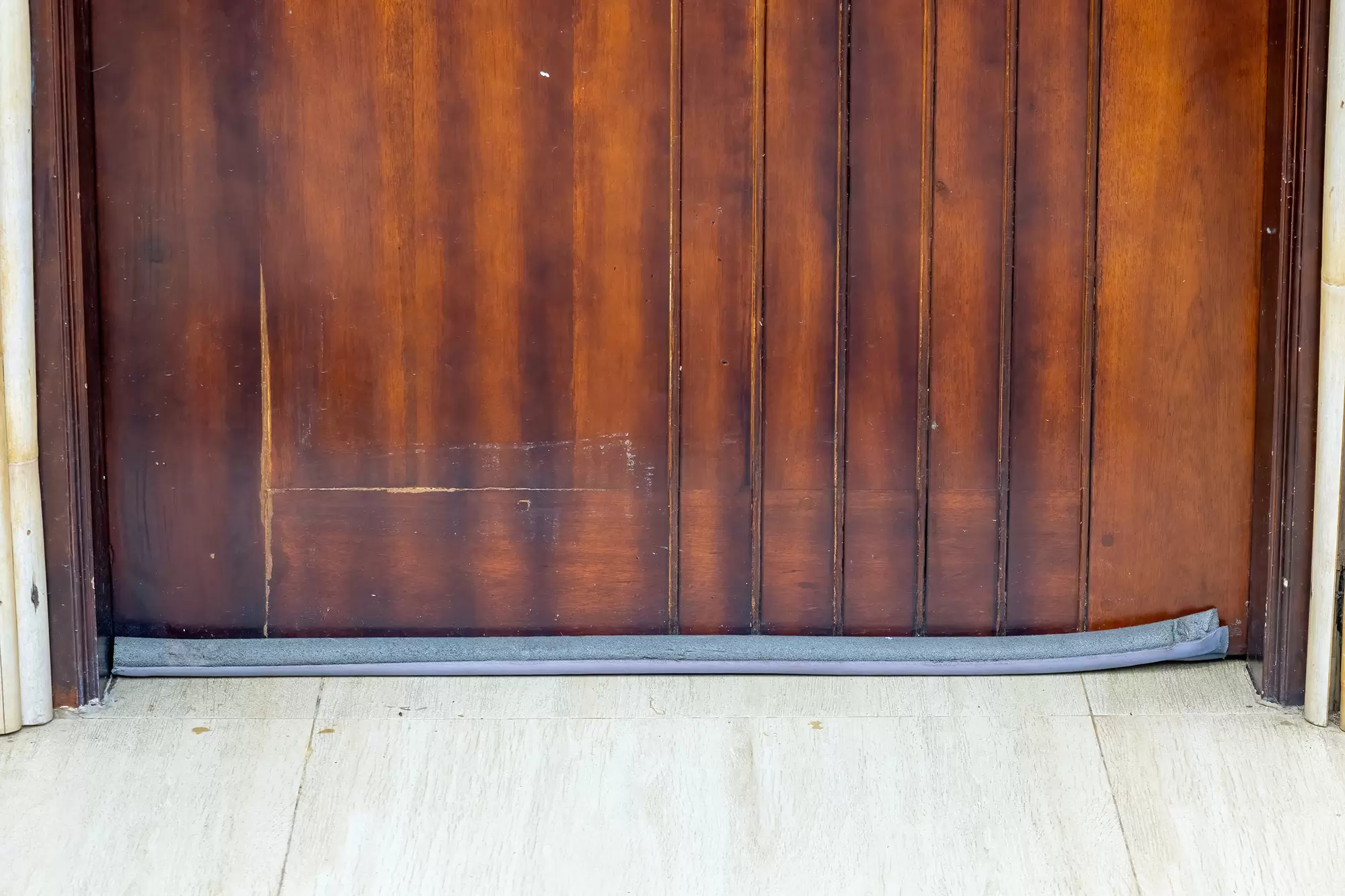
If the door itself is still in good condition, sealing door gaps may be a manageable home improvement project. Start by identifying exactly where air is entering rather than adding weatherstripping everywhere.
Check the weatherstripping around the sides and top of the door first. If it’s cracked, compressed, loose, or missing, replacing it may help the closed door form a tighter seal against the frame.
Next, look at the bottom of the door. A worn door sweep or poorly adjusted threshold can leave a gap that allows outdoor air, moisture, and even pests to enter. Replacing the sweep or adjusting the threshold may help close the opening.
Finally, inspect where the exterior door frame meets the surrounding wall. Cracked or deteriorating caulk can create small openings. Resealing these areas with an appropriate exterior caulk can help keep unwanted air and moisture outside.
Why weatherproofing your front door matters
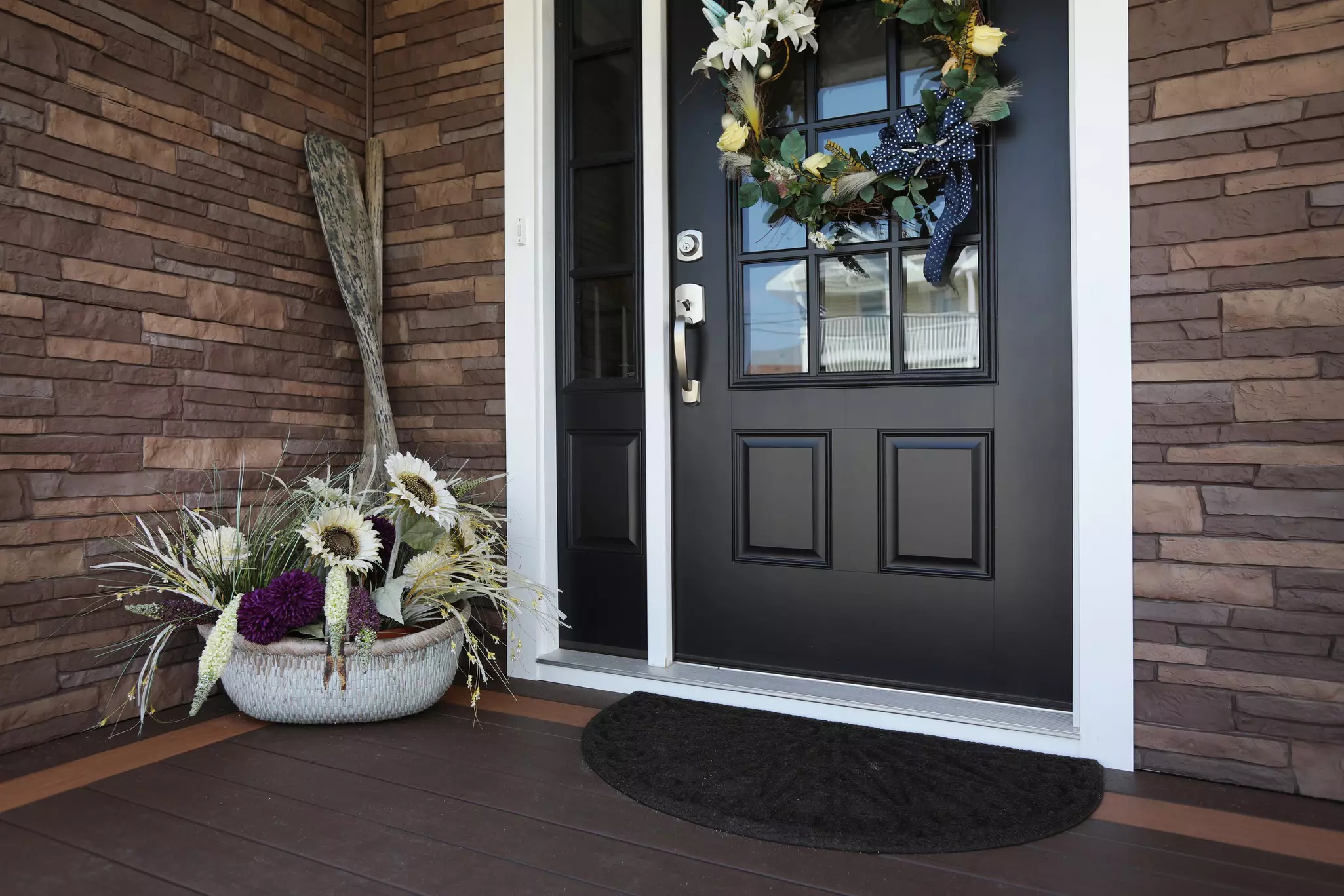
Weatherproofing a door is important in many climates, but homes in Mobile, Alabama, face some specific weather challenges. Our area experiences long stretches of hot, humid weather, along with frequent rainfall and storms.
During hot weather, even small gaps around an exterior door can allow cooled indoor air to escape while warm, humid outdoor air enters. Your air conditioner then has to continue working to maintain a comfortable indoor temperature.
Rain and moisture are another consideration. Keeping the areas around exterior doors properly sealed can help reduce opportunities for wind-driven rain and moisture to enter through gaps around the door system.
Weatherproofing isn’t about making your home completely airtight. It’s about creating a more effective barrier between your indoor living space and the heat, humidity, and changing weather conditions common here.
When DIY weatherproofing may not be enough
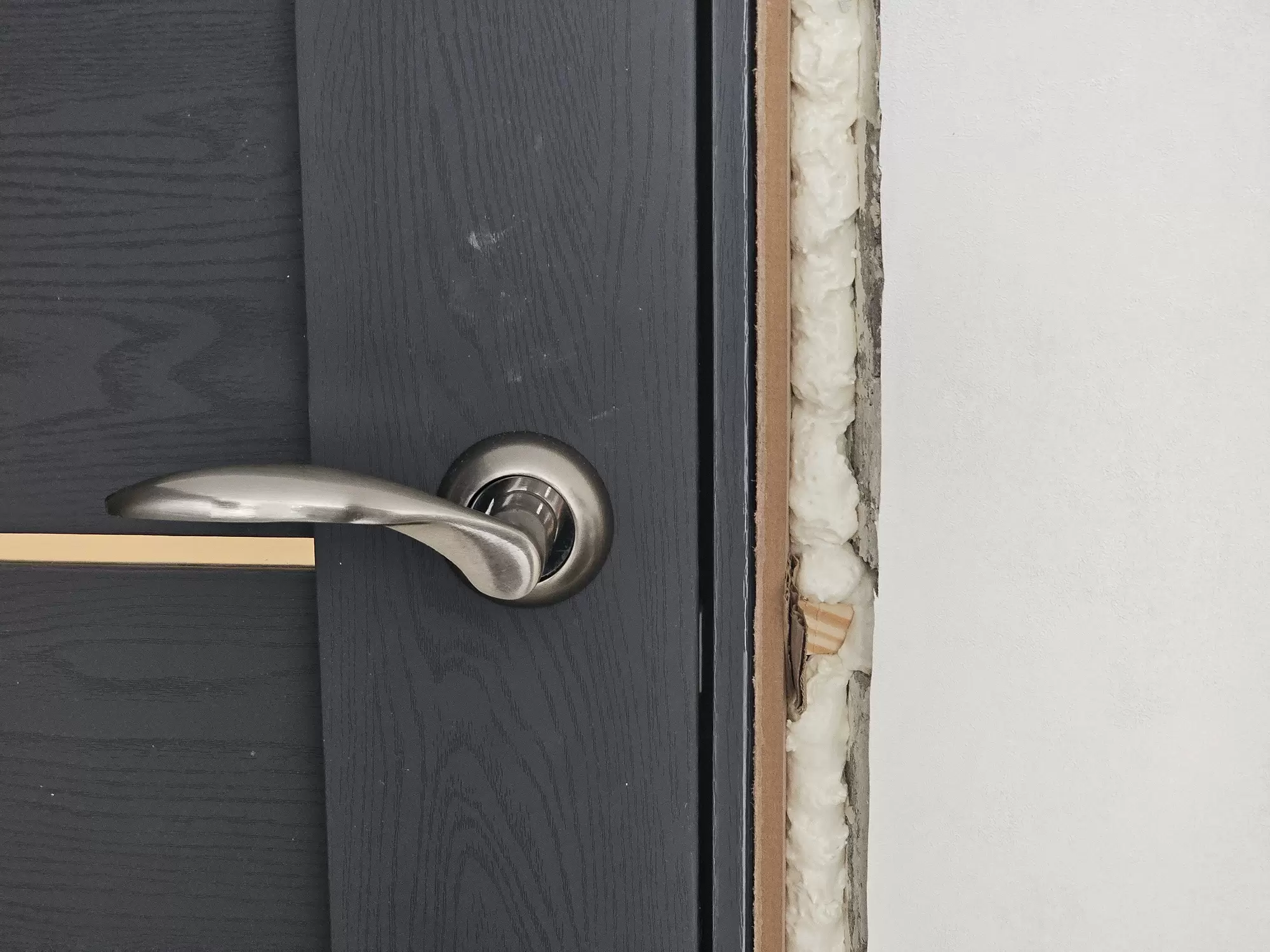
New weatherstripping, a door sweep, or fresh caulk can address minor gaps, but these fixes can’t correct every problem. If the door itself is warped or damaged, for example, new weatherstripping won’t necessarily make it fit properly within the frame.
Persistent drafts after you’ve made basic repairs can also point to a larger issue. The problem may involve the door, frame, threshold, or how the entire system was installed.
It’s also important to look beyond one visible gap. Your exterior door works as a complete system. The door, frame, threshold, weatherstripping, and installation all play a role in keeping outdoor conditions from affecting your home’s interior.
If several parts are deteriorating or the door no longer closes properly, repeatedly repairing individual components may only provide a temporary solution. At that point, replacing the entry door may be worth considering.
How a replacement entry door can improve comfort
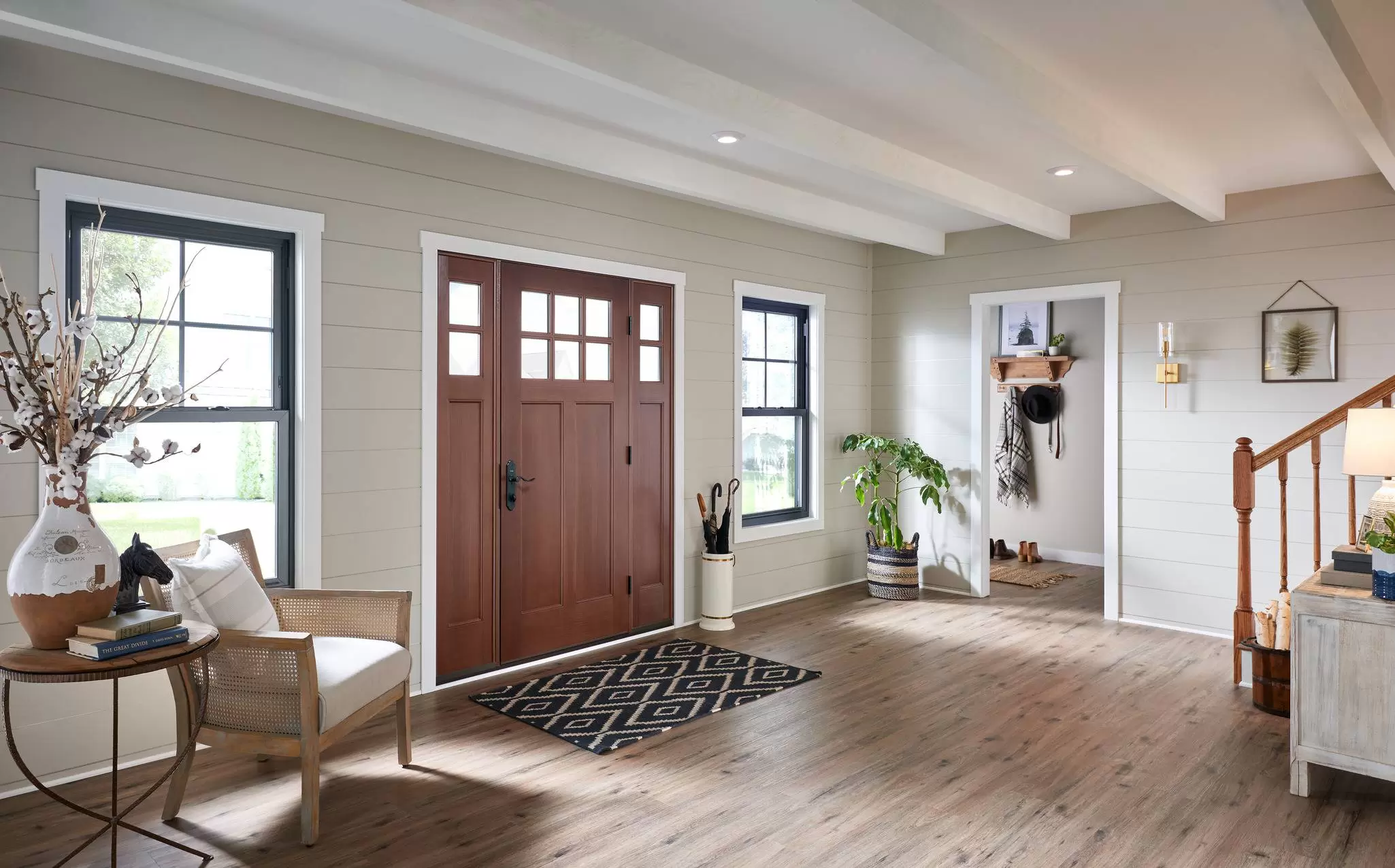
A new exterior door can address more than an occasional draft. Modern entry doors are designed to combine durability, insulation, and weather resistance, helping create a more effective barrier between your home and the outdoors.
Fiberglass doors are an option for homeowners looking for a durable, low-maintenance exterior door. Insulated construction can also help slow the movement of heat through the door itself, which may contribute to a more comfortable entryway.
Proper installation matters just as much as the door you choose. Even a well-insulated door can allow air to enter if there are gaps around the frame or it doesn’t fit correctly. Professional installation helps ensure the door is properly fitted, aligned, and sealed.
Those details are particularly important in our region. A well-fitted exterior door can help separate your home’s conditioned interior from the heat and humidity outside while providing protection from everyday exposure to Gulf Coast weather.
Should you weatherproof or replace your front door?
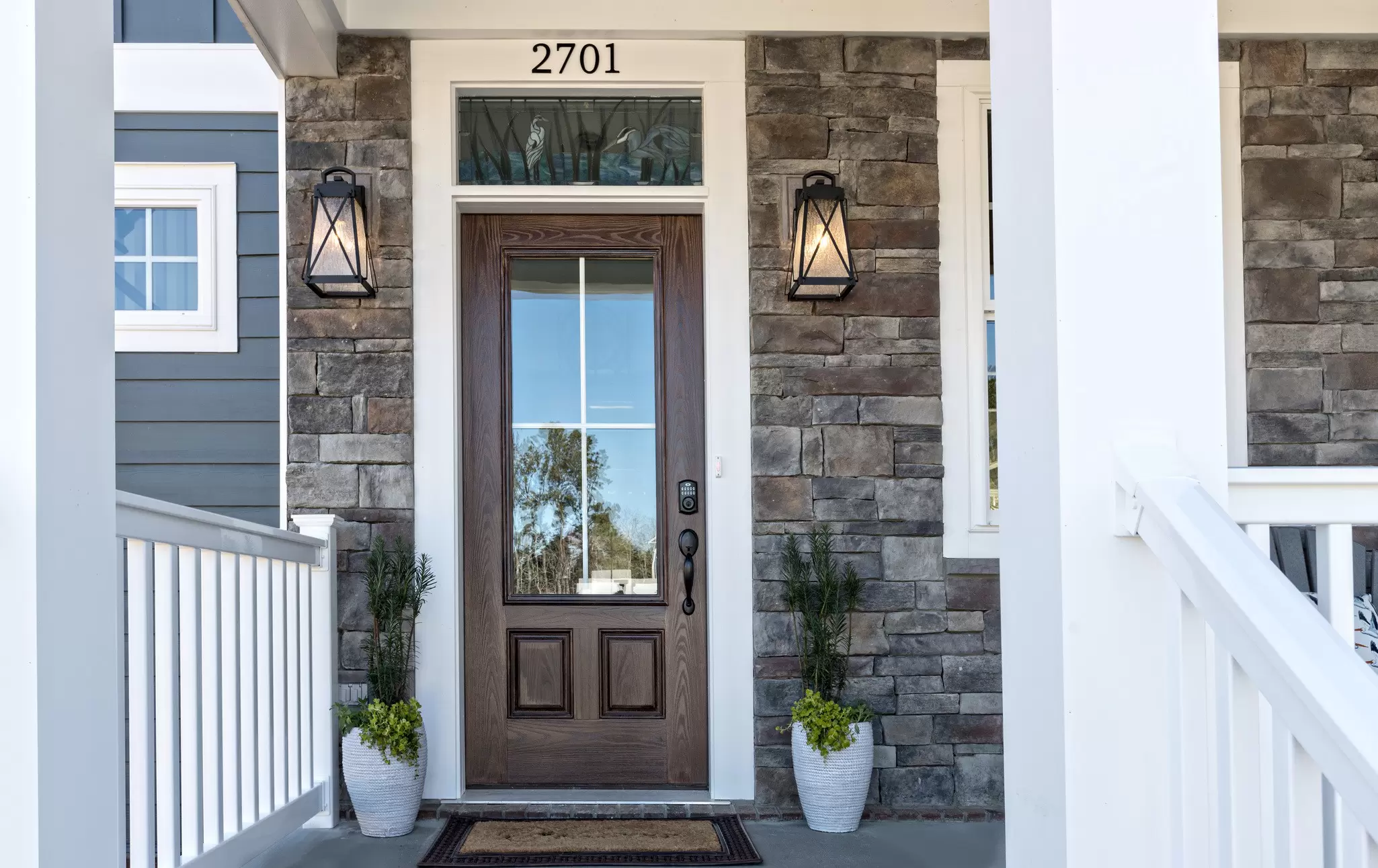
The right choice depends on the condition of your current door and what’s causing the problem. A door that’s still structurally sound may only need a few relatively simple improvements.
Consider weatherproofing if:
- The weatherstripping is worn or damaged. Replacing it may restore a tighter seal around an otherwise functional door.
- There’s a small gap at the bottom. A new door sweep or threshold adjustment may solve the problem.
- Exterior caulk has deteriorated. Resealing small gaps around the frame may help prevent unwanted air and moisture from entering.
- The door still opens, closes, and fits properly. If the basic door system is in good condition, targeted repairs may be enough.
Replacement may make more sense if the door is warped, damaged, difficult to operate, or continues to leak air after repairs. It may also be worth considering if several parts of an older door system are deteriorating at the same time.
A replacement entry door gives you an opportunity to address those problems at once while updating your home’s appearance and choosing modern materials and features.
Keep your home comfortable with help from Window World of Gulf Coast
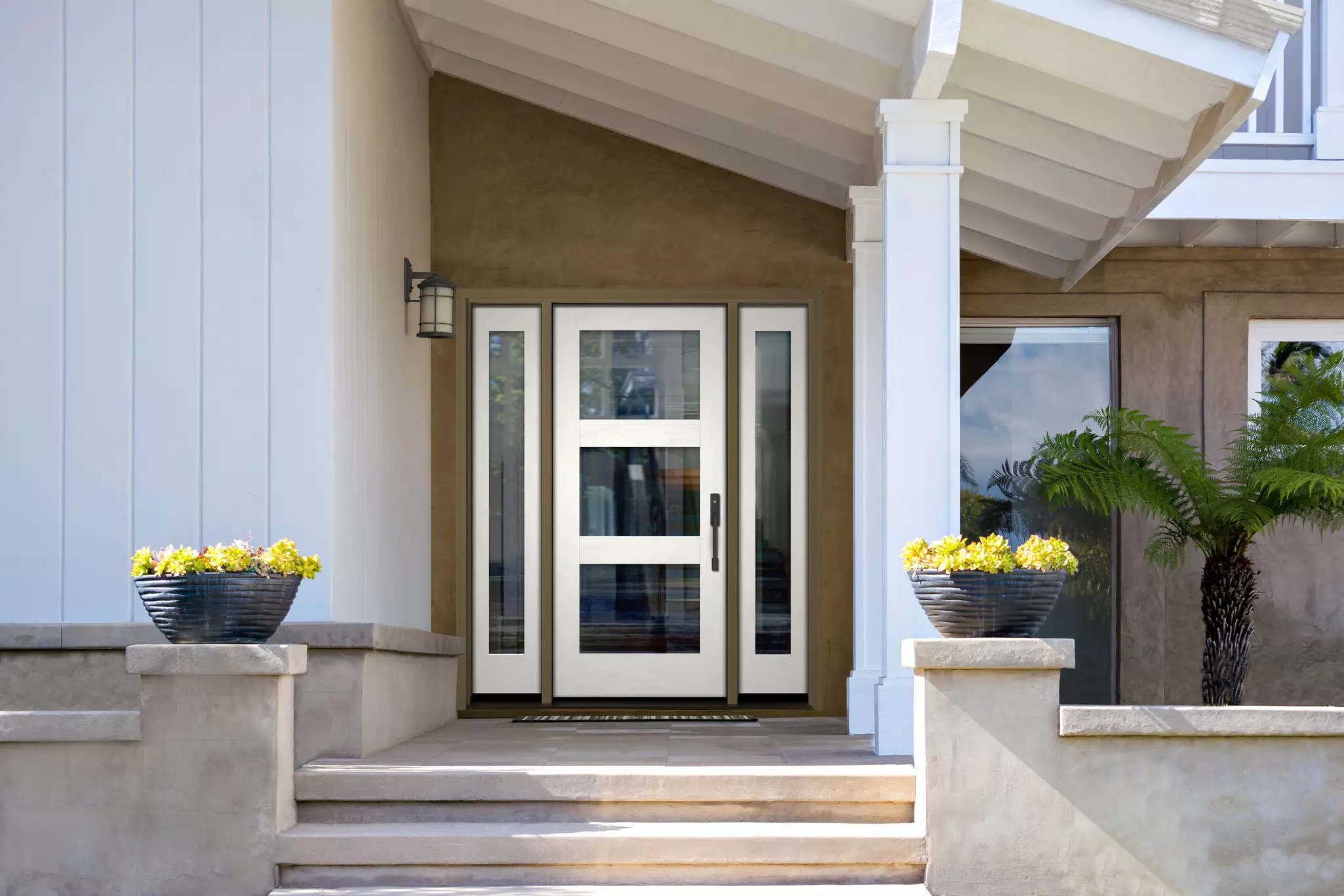
In Mobile’s hot, humid, and rainy climate, a properly sealed exterior door can make a noticeable difference in your home’s comfort. Checking weatherstripping, closing small gaps, and replacing worn components can help strengthen the barrier between your living space and the outdoors.
When repairs are no longer enough, Window World of Gulf Coast can help you explore replacement entry doors that fit your home’s needs and style. Professional installation can also help ensure your new door fits and seals properly from the start.
Contact Window World of Gulf Coast today to learn more about replacement entry doors and request a free estimate.