
Ever woken up to find your windows covered in water droplets? Or noticed your windows sweating on a hot summer day? Window condensation is one of those frustrating problems that seems to appear out of nowhere, leaving you wondering what’s wrong with your windows (or your home overall).
Luckily, window condensation is usually not a sign of a serious structural problem. But it can point to issues with humidity levels, air circulation, or the condition of your windows themselves. Left unchecked, persistent condensation can lead to mold growth, damaged window frames, and reduced energy efficiency.
Understanding why condensation forms on your windows – and when it’s a normal occurrence versus a red flag – can help you take the right steps to fix it. Whether you’re dealing with foggy windows in winter, sweating glass in summer, or moisture trapped between window panes, this guide will walk you through the causes, potential problems, and window replacement solutions to stop condensation for good.
Understanding the different types of window condensation
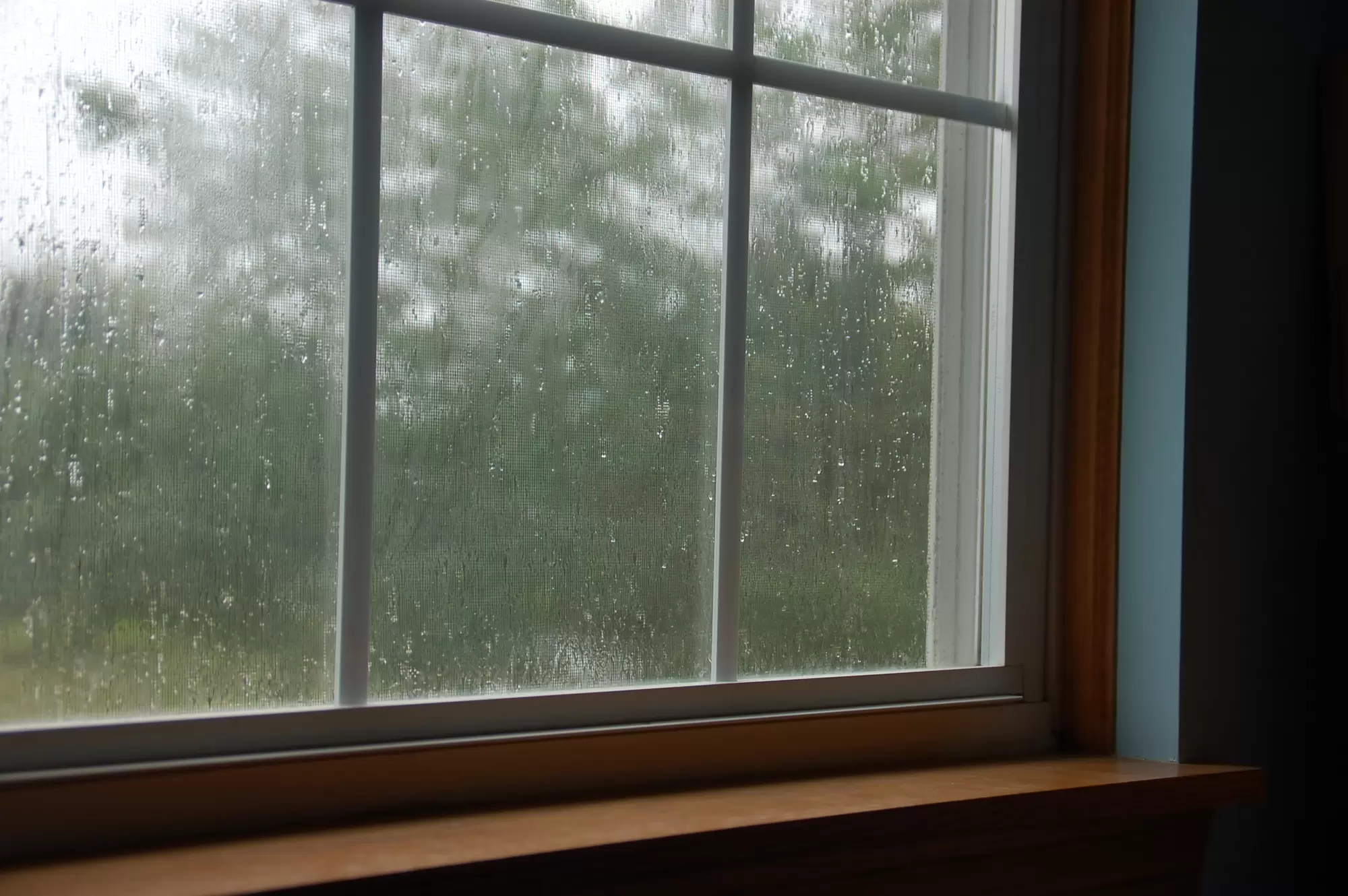
Not all window condensation is the same. Where the moisture appears – inside, outside, or between the glass – tells you a lot about what’s causing it and whether you need to take action.
Causes of interior window condensation (inside the glass)
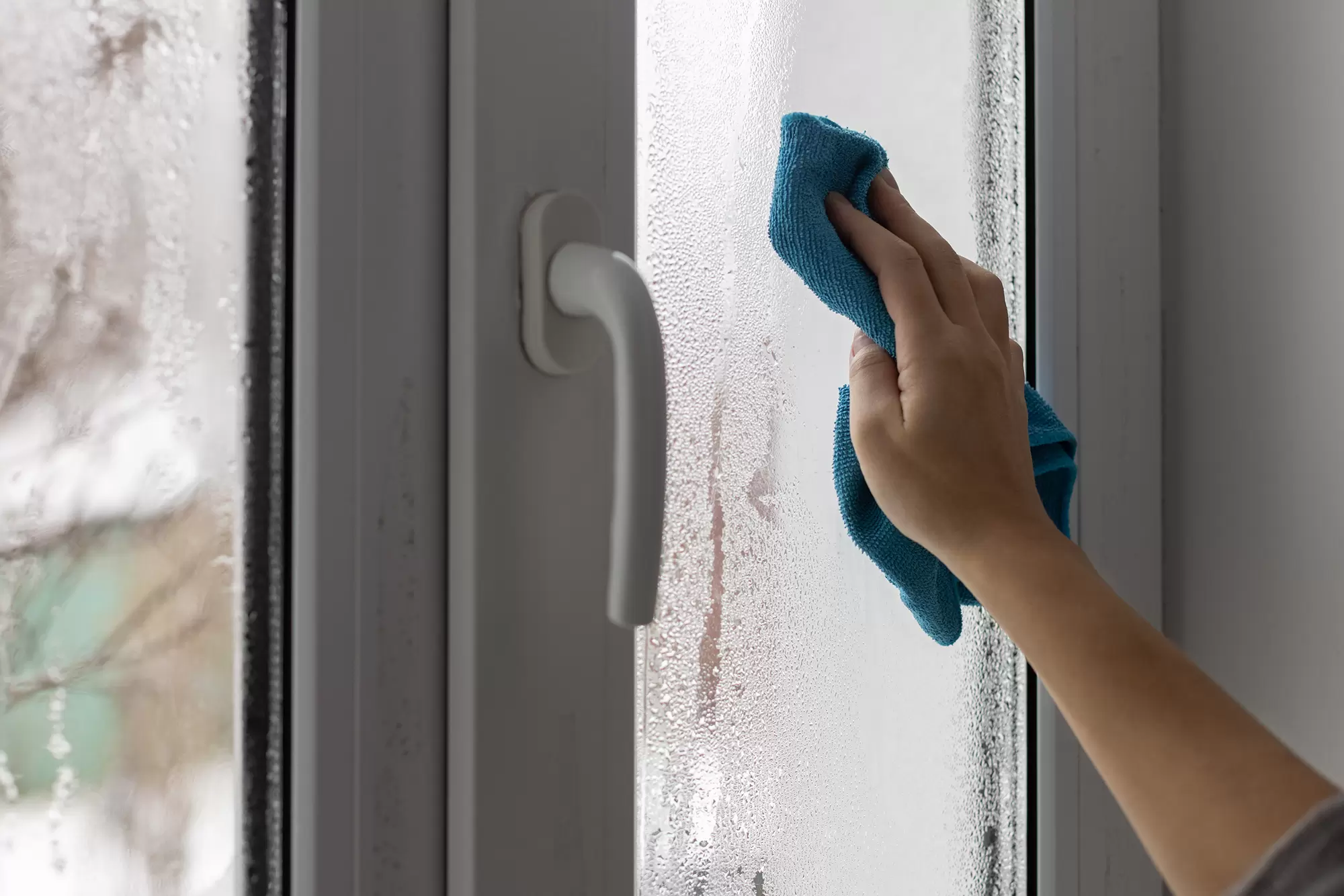
Interior condensation appears on the inside surface of your window glass, usually as water droplets or fog. This is the most common type of condensation and happens when warm, humid air inside your home comes into contact with the cold window glass. The moisture in the air cools down and turns into water droplets – just like what happens when you breathe on a cold mirror.
Interior condensation is especially common in winter months when the temperature difference between your warm indoor air and the cold outdoor air is significant. It’s often more noticeable in bathrooms, kitchens, and other areas with high humidity levels. While a little interior condensation on cold days is normal, persistent or excessive moisture can indicate high indoor humidity or poor air circulation.
Causes of exterior condensation on windows (outside the glass)
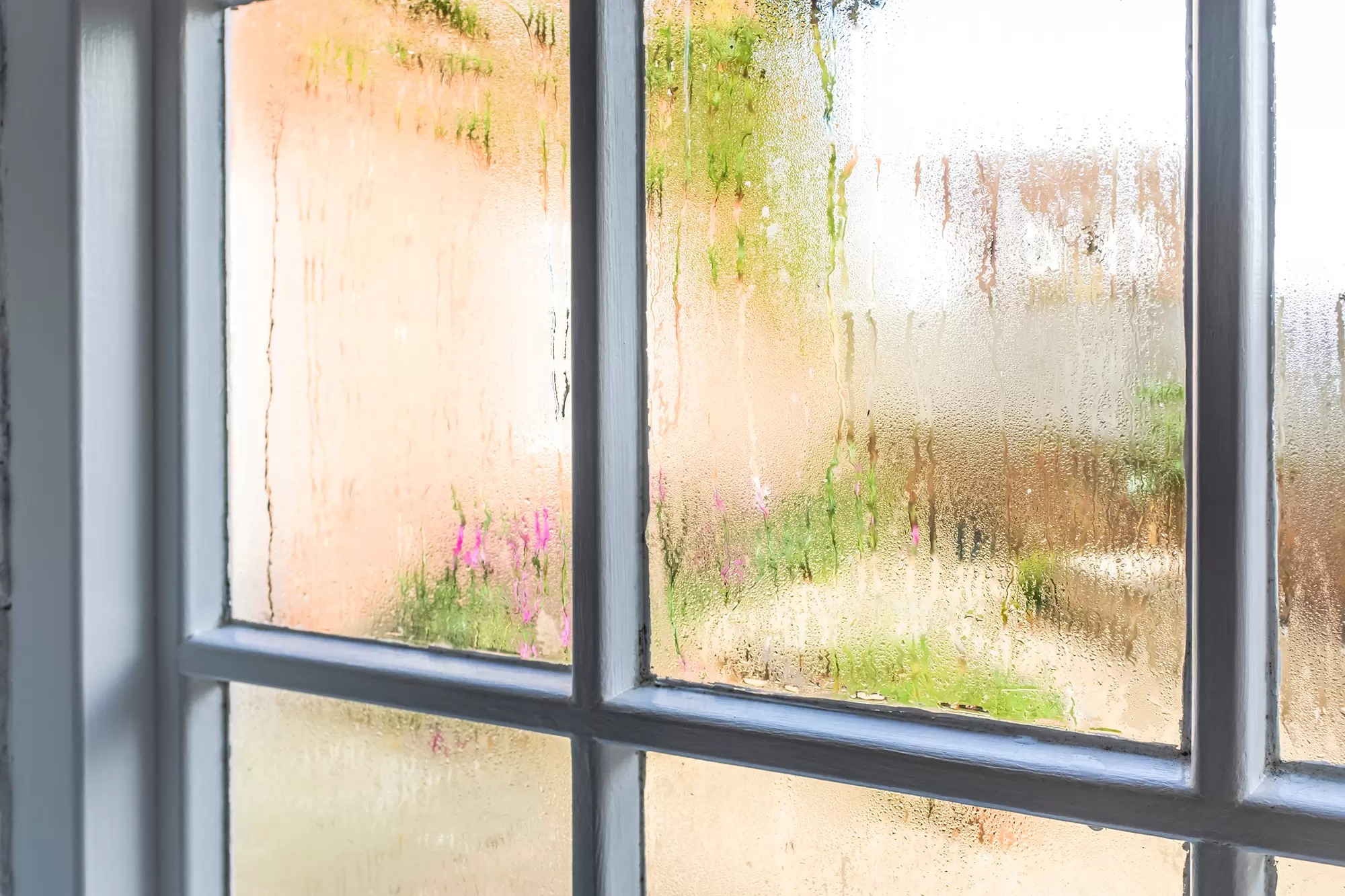
Exterior condensation forms on the outside of your window glass and is most common in spring and summer months, especially early in the morning. This happens when the outdoor air is warm and humid, but the window glass is cooler, often because your air conditioning has cooled the glass surface overnight.
Exterior condensation is actually a sign that your windows are doing their job. It means your windows are energy-efficient enough to keep the indoor cool air from transferring to the outside. This type of condensation typically disappears as the sun warms the glass, and it’s not (generally) a cause for concern.
Causes of condensation between window panes

Condensation between the panes of a double- or triple-pane window is a different story. If you see fog or moisture trapped inside the glass that you can’t wipe away, it means the seal between the panes has failed. This type of condensation indicates a broken window that’s no longer providing proper insulation.
When the seal fails, moisture gets trapped between the glass layers, and there’s no way to remove it without replacing the window. Windows with failed seals lose their insulating value, which can drive up your energy bills and make your home less comfortable. If you’re seeing condensation between window panes, it’s time to consider getting a replacement window installed.
Why are my windows sweating?
Ready for a closer look at what’s really causing all that window moisture? Here are the most common culprits, plus how seasonal changes affect condensation.
High indoor humidity levels

The number one cause of interior window condensation is high humidity in your home. Indoor humidity levels should typically stay between 30–50%. When humidity climbs higher – especially in winter when homes are sealed up tight – excess water vapor in the air has nowhere to go. It condenses on the coldest surfaces it can find, which are usually your windows.
Common sources of indoor humidity include:
- Cooking
- Showering
- Laundry
- Houseplants
- Even breathing!
In tightly sealed, energy-efficient homes, humidity can build up quickly if there’s not enough ventilation. Activities like boiling water, running hot showers, or using a humidifier can push indoor humidity levels even higher.
Poor air circulation
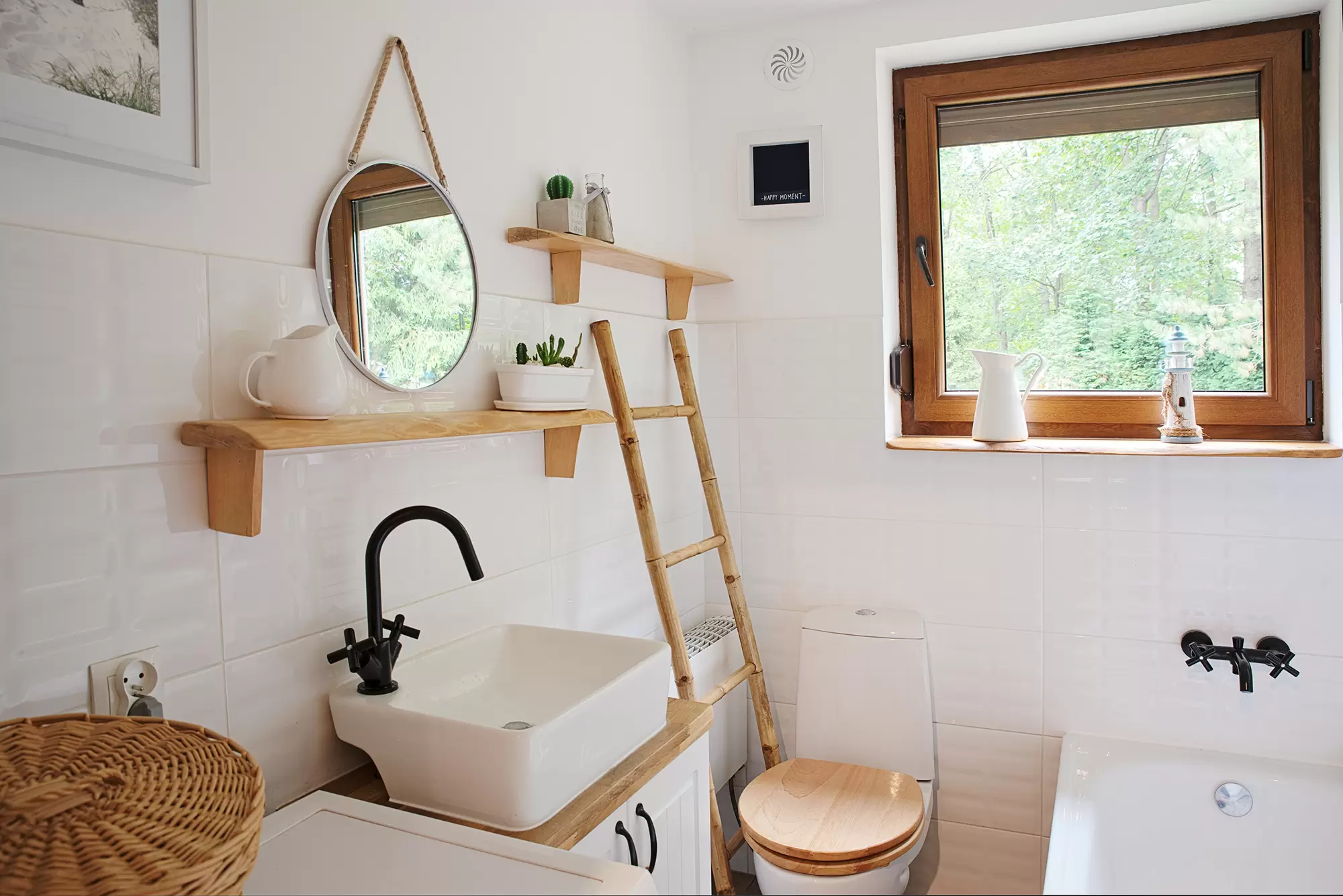
Stagnant air traps moisture near your windows, making condensation worse. When warm, humid air sits against cold window glass without moving, it cools down and releases its moisture. This is why you often see more condensation on windows in rooms with poor airflow, like bedrooms or bathrooms without exhaust fans.
Seal failure in older windows
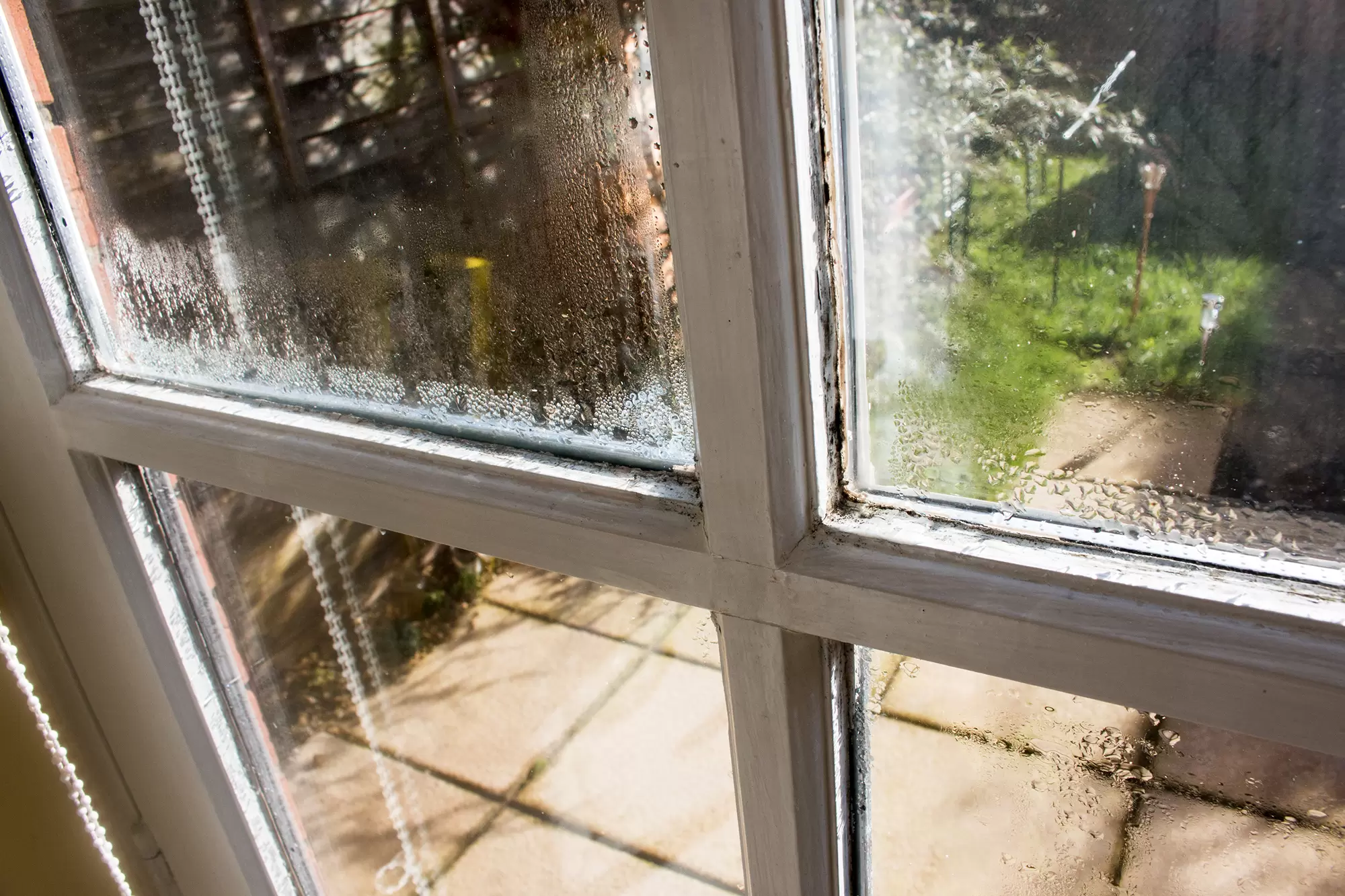
If you have older windows, especially double-pane windows that are 15–20 years old or more, seal failure could occur at any time. The seals that keep the gas fill (like argon) between the panes can deteriorate over time due to temperature fluctuations, UV exposure, and normal wear and tear.
Once the seal fails, the insulating gas escapes, and moisture gets trapped between the panes. This type of condensation can’t be fixed with a dehumidifier or better ventilation; instead, it requires window replacement to restore the window’s energy efficiency and appearance.
Window condensation in winter
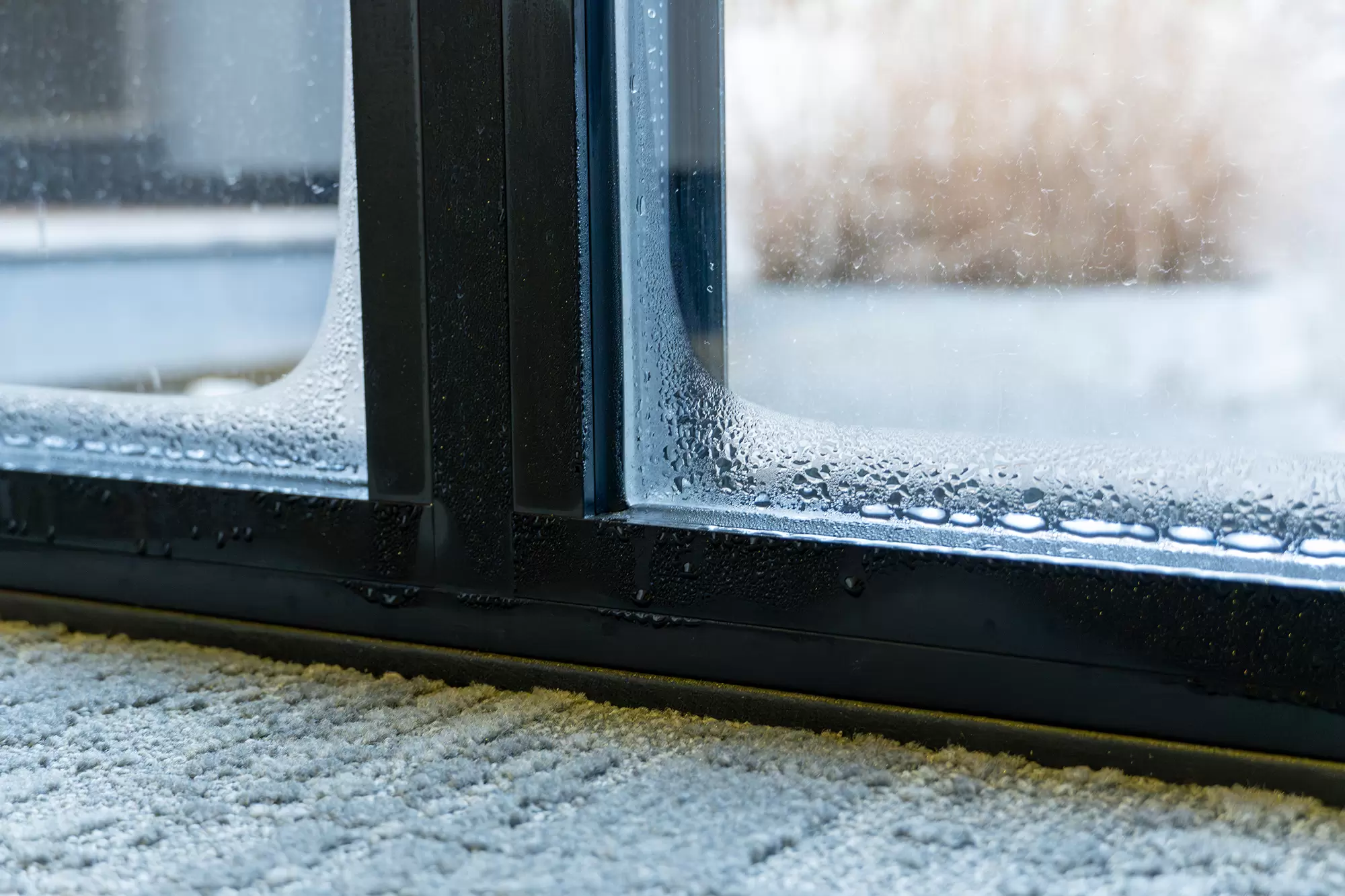
Winter is peak season for window condensation. When outdoor temperatures drop, your window glass gets cold – sometimes very cold. Inside, your home is warm and often more humid than usual because windows and doors are closed tight to keep the heat in. This combination creates the perfect conditions for condensation.
You might notice condensation forming overnight and disappearing as the day warms up, or you might see persistent moisture that lingers on north-facing windows that never get direct sun. Rooms with poor insulation, older single-pane windows, or high humidity levels (like bathrooms and kitchens) are especially prone to winter condensation.
Window condensation in summer

Summer condensation looks different and happens for different reasons. In summer months, especially in humid climates like the Gulf Coast, you might wake up to find the outside of your windows covered in dew. This exterior condensation happens when warm, humid air meets the cool glass surface that’s been chilled by your air conditioning overnight.
This type of condensation is actually a good sign since it means your windows are energy-efficient; they’re keeping the cool air inside where it belongs. As the sun comes up and warms the glass, the condensation evaporates. It’s essentially the same phenomenon as dew on your grass, and it’s nothing to worry about.
However, if you’re seeing interior condensation in summer – water droplets on the inside of your windows – that’s a sign your indoor humidity is too high. This can happen if you’re running a humidifier (which you shouldn’t need in summer), if your air conditioning isn’t removing enough moisture from the air, or if you have poor ventilation in humid areas like bathrooms.
How to stop condensation from fogging up windows

The good news is that most condensation problems can be solved with a combination of humidity control, better air circulation, and – when necessary – window upgrades. Here’s what you can do.
Reduce indoor humidity levels
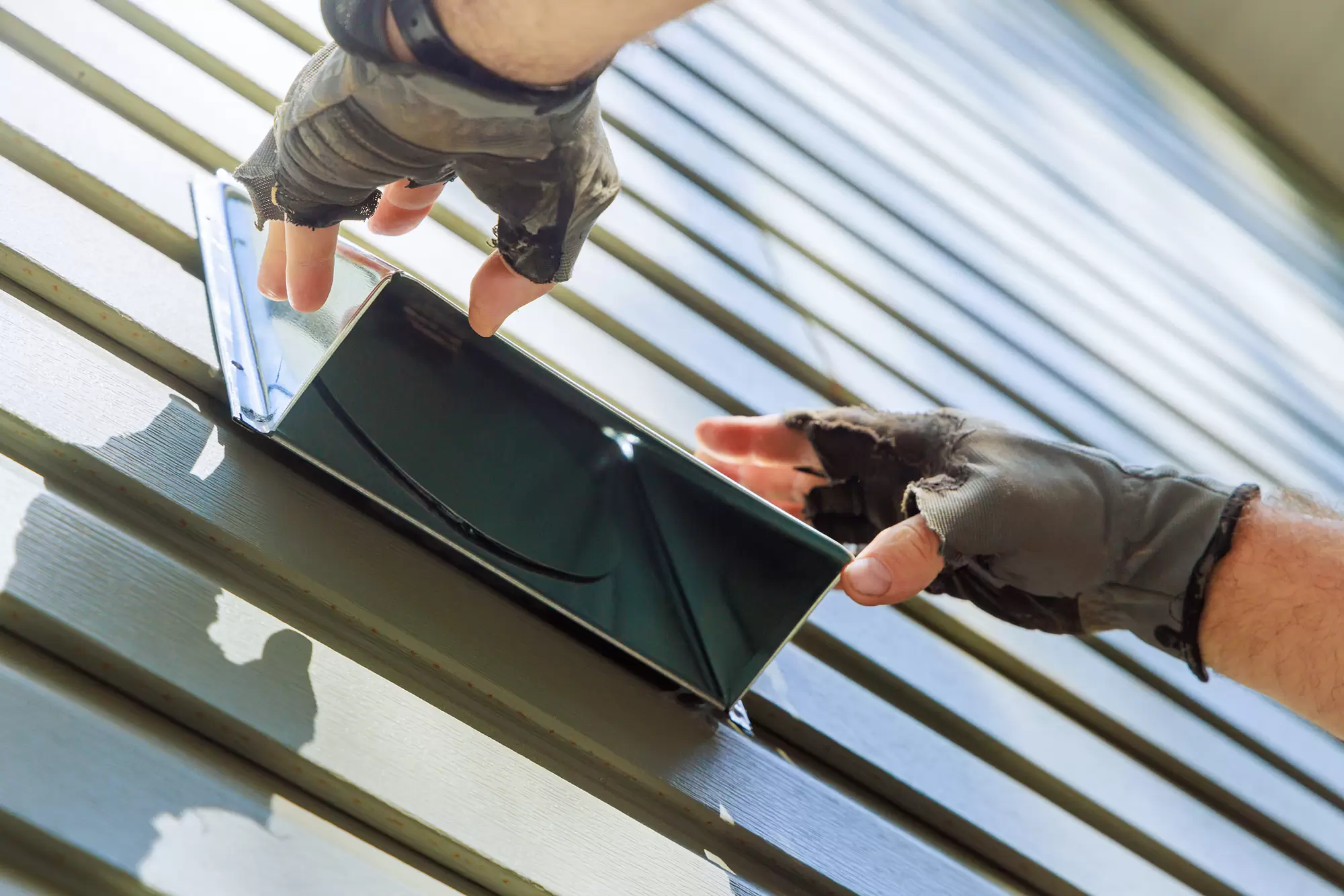
The most effective way to stop condensation on windows in winter (and year-round, for that matter) is to lower your indoor humidity. Aim for 30–50% relative humidity. You can measure this with an inexpensive hygrometer from any hardware store.
To reduce humidity:
- Use exhaust fans in bathrooms and kitchens whenever you shower or cook
- Run your dryer vent to the outside, not into your home
- Avoid overusing humidifiers
- If you have a lot of houseplants, consider moving some to less humid rooms
You can also open windows slightly for short periods (even in winter) to let humid air escape and bring in fresh, drier air.
Improve air circulation
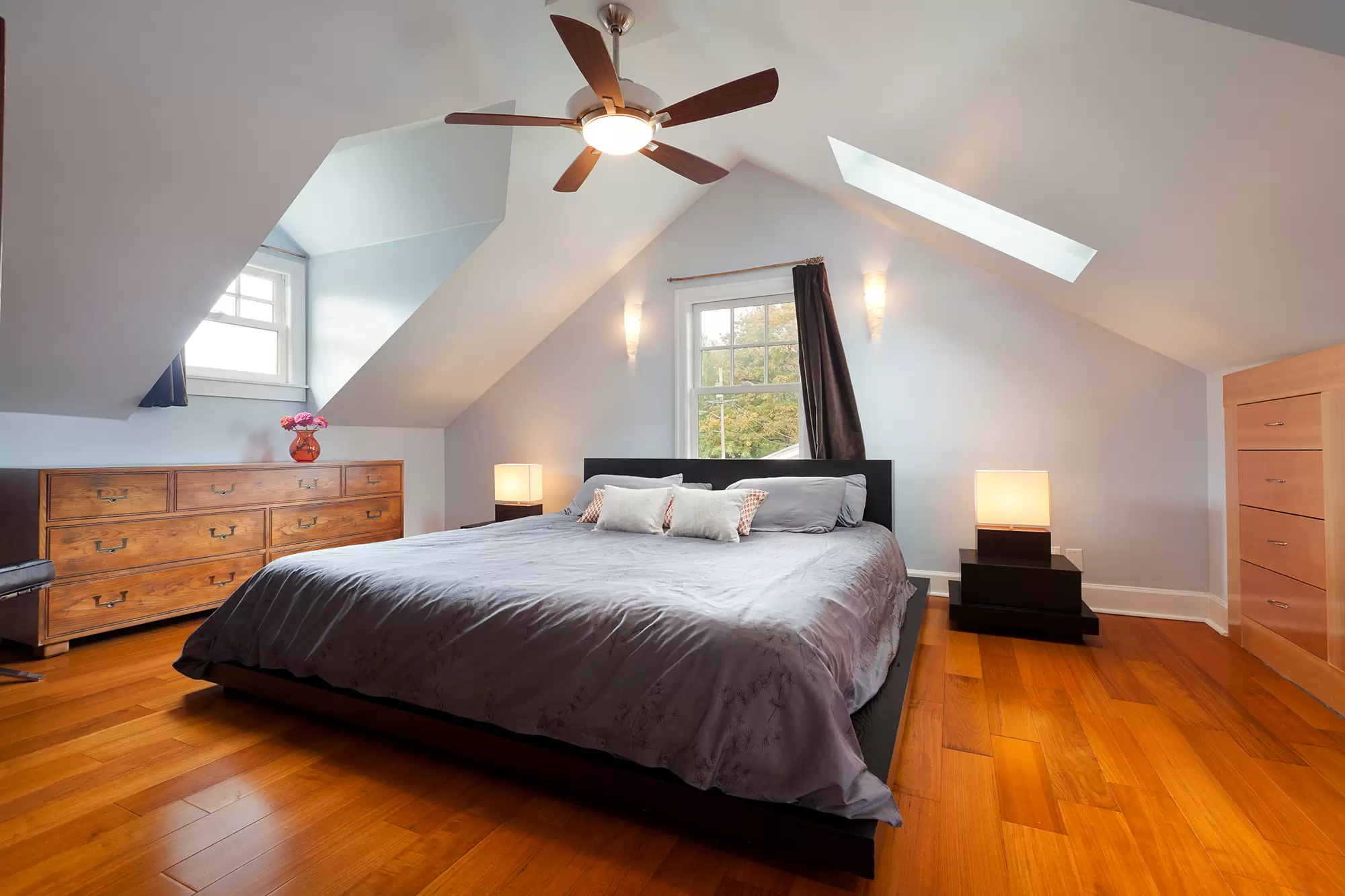
Better airflow helps prevent moist air from settling on cold window glass. To improve airflow:
- Keep interior doors open to allow air to circulate throughout your home
- Run ceiling fans on low, even in winter (reverse the direction so they push warm air down)
- Make sure your HVAC system is running properly and that vents aren’t blocked by furniture or curtains
If certain windows are prone to condensation, consider moving furniture or drapes away from them to improve airflow. Even small changes in air circulation can make a noticeable difference.
Use dehumidifiers in problem areas
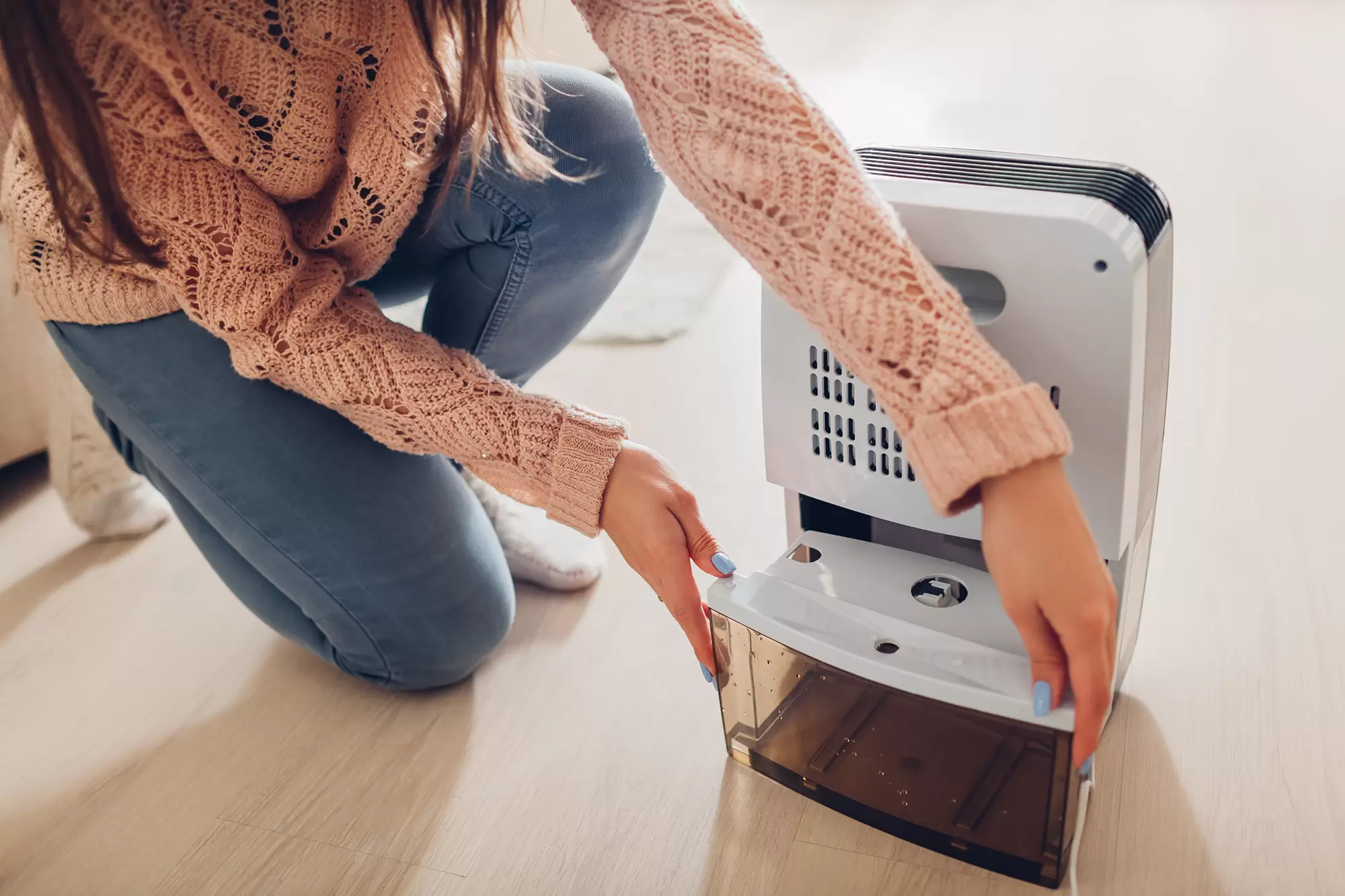
If certain rooms – like basements, bathrooms, or laundries – have persistent condensation issues, a dehumidifier can help. Dehumidifiers pull excess moisture from the air, keeping humidity levels in check and reducing the amount of water vapor that condenses on your windows.
Portable dehumidifiers work well for single rooms, while whole-home dehumidifiers can be integrated with your HVAC system for comprehensive humidity control. In our humid climate, a dehumidifier can be particularly helpful during the summer months when outdoor humidity is high.
Address seal failure with window replacement
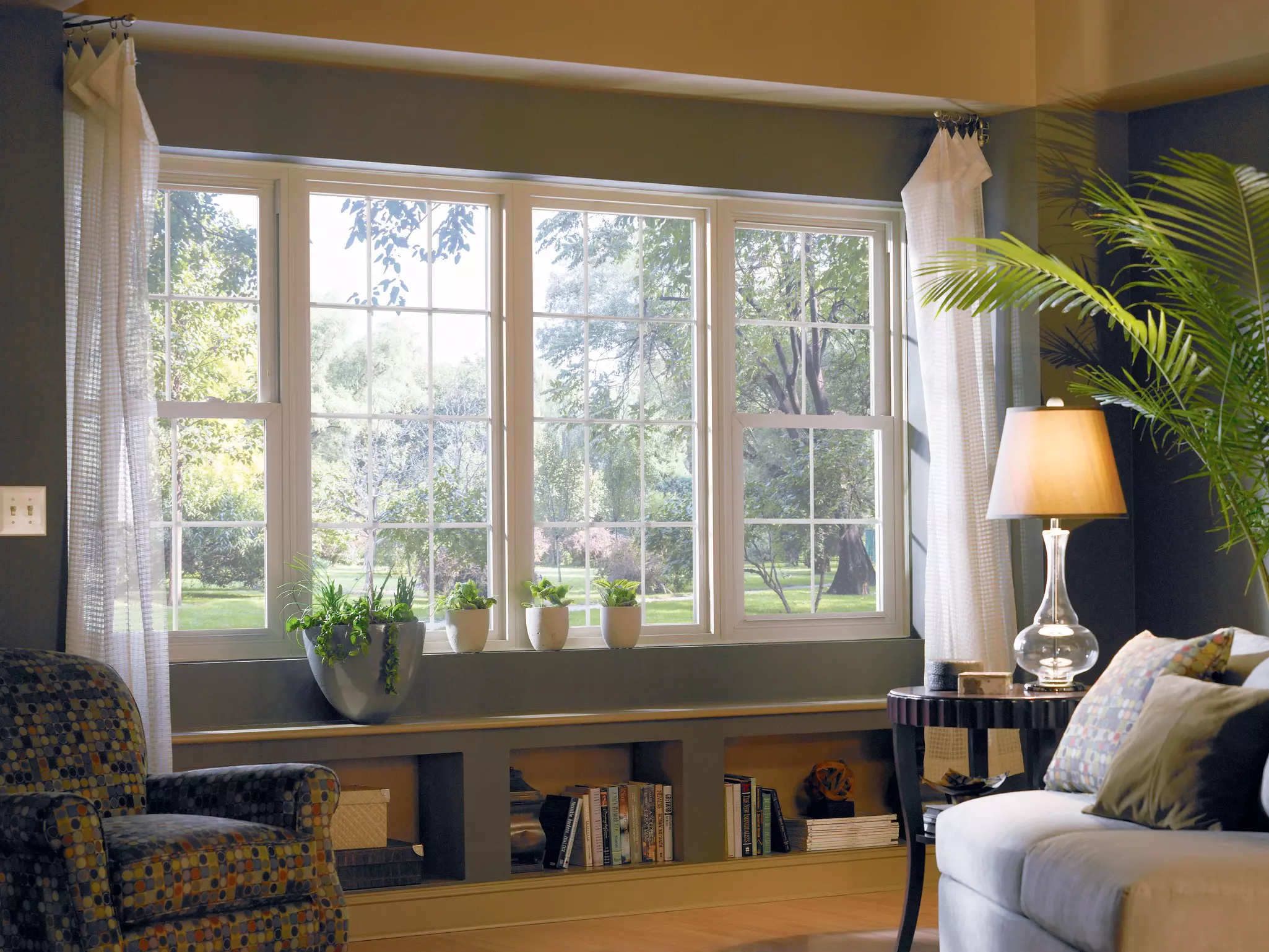
If you’re seeing condensation between window panes, none of the above solutions will help. Seal failure means your window is no longer insulating properly, and the only real fix is window replacement. Trying to live with foggy, moisture-filled windows not only looks bad – it also costs you money in wasted energy and reduces your home’s comfort.
Replacing failed windows with modern, energy-efficient options eliminates the condensation problem and delivers better insulation, lower energy bills, and improved comfort. If your windows are old, drafty, or showing signs of seal failure, replacement is the most cost-effective long-term solution.
When to replace your windows: signs it’s time for an upgrade
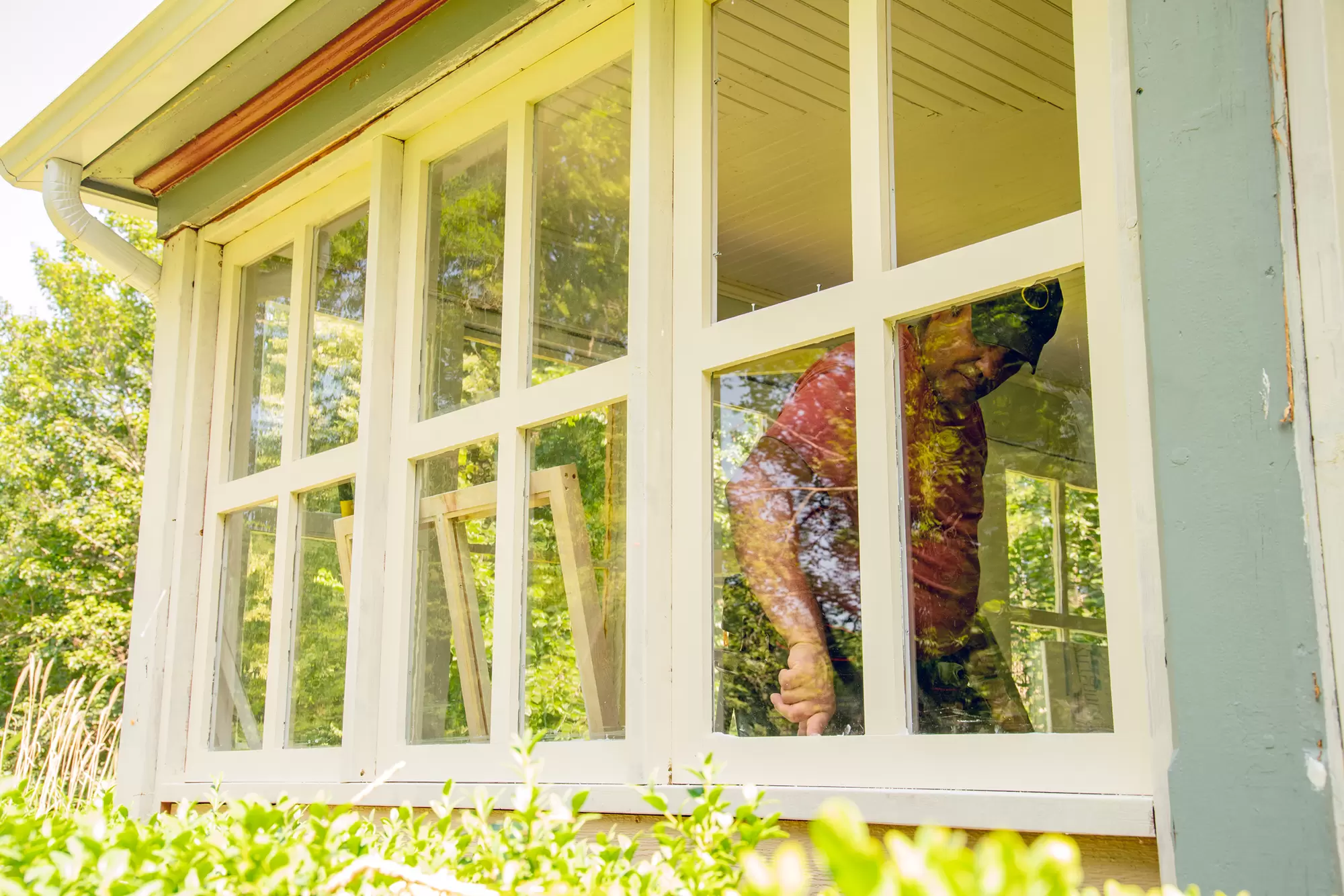
Sometimes condensation is a symptom of a bigger problem: old, failing windows that can’t perform the way modern windows do. Here are signs that it’s time to upgrade to energy-efficient windows that solve condensation for good:
- Condensation between window panes – This is a clear sign of seal failure and can’t be fixed without replacing the window.
- Persistent interior condensation despite low humidity – If you’ve controlled humidity and improved airflow but still see constant condensation, your windows aren’t insulating properly.
- High energy bills – Old windows with poor insulation let heat escape in winter and enter in summer, forcing your HVAC system to work harder.
- Drafts and cold spots – If your windows feel cold to the touch or you notice drafts, they’re not keeping outdoor air where it belongs.
- Windows are 15–20+ years old – Older windows, especially single-pane or early double-pane models, simply don’t perform as well as modern energy-efficient windows.
Replacing old windows with high-quality, energy-efficient options solves condensation problems at the source while also improving comfort, reducing energy costs, and enhancing your home’s value.
Stop window condensation with Window World of Gulf Coast

If you’re tired of dealing with foggy, sweating windows – or if you’ve noticed condensation between your window panes – it might be time to upgrade. At Window World of Gulf Coast, we specialize in energy-efficient windows designed to perform beautifully in our humid coastal climate.
Our windows feature advanced insulating glass, Low-E coatings, and quality seals that resist moisture and temperature extremes. We also offer flexible financing options to make window replacement affordable, with convenient monthly payments that fit your budget. And with our comprehensive warranties, you can trust that your investment is protected for years to come.
Ready to say goodbye to window condensation for good? Call Window World of Gulf Coast today at (251) 665-4646 to schedule your free consultation or request a quote online. Let us help you choose the perfect energy-efficient windows to keep your home comfortable, dry, and beautiful all year long.


