
After years of exposure to the elements, your house’s siding might look a little worse for wear. Maybe a specific section is super faded, or maybe it’s just time for a color and style update.
Regardless of the reason, is it a good idea to switch out just a small section of your siding, or should you go with a complete siding replacement project?
In this guide, we’ll cover when a partial replacement makes the most sense, the challenges of smaller fixes, and when a full replacement is the better idea.
Can I replace one piece of siding?
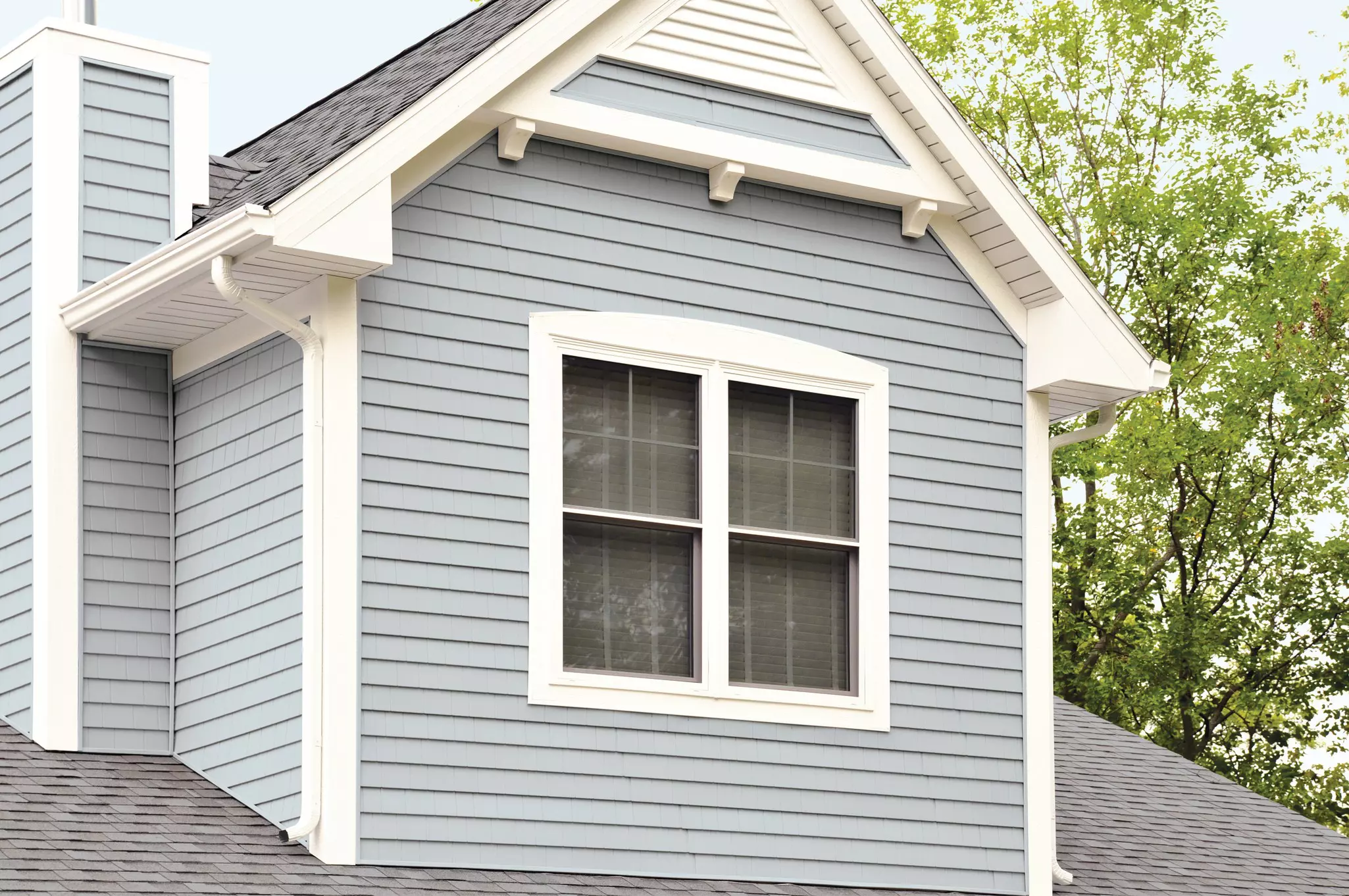
The short answer is yes, but there are several nuances to patching vs. replacing siding. Any siding project should take all of these into consideration before deciding on the best option for your home.
When partial siding replacement is possible
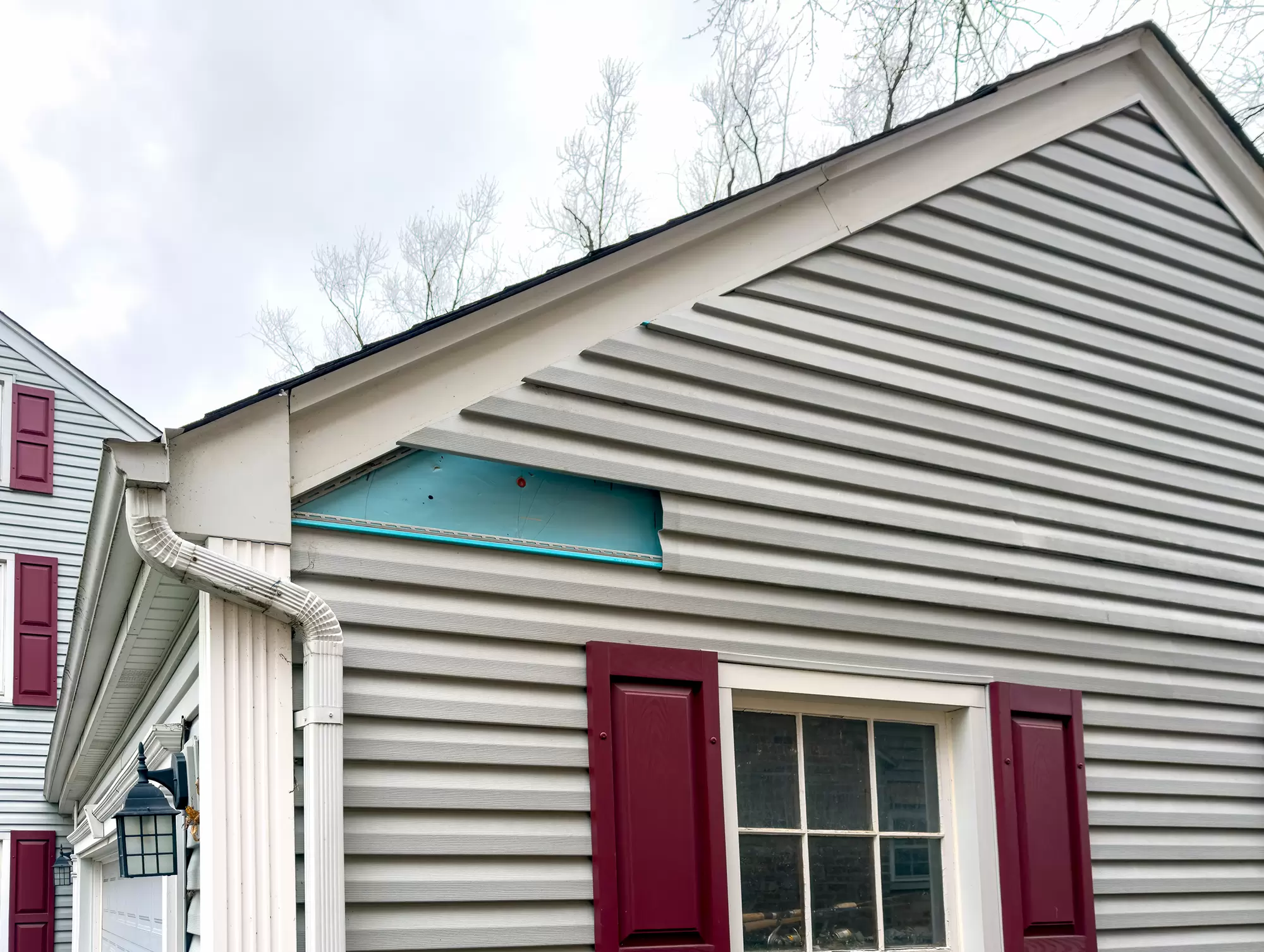
Installing new siding isn’t always necessary, especially when you’re making a fix because of localized damage. If only a small portion of your home was affected by pests or bad weather conditions, it would make sense to replace only a few siding pieces.
If you’re facing budget restrictions, replacement for just the damaged siding lets you focus on any immediate repairs, especially before the moisture intrusion around an impacted exterior area can affect your foundation.
Challenges of partial siding replacement
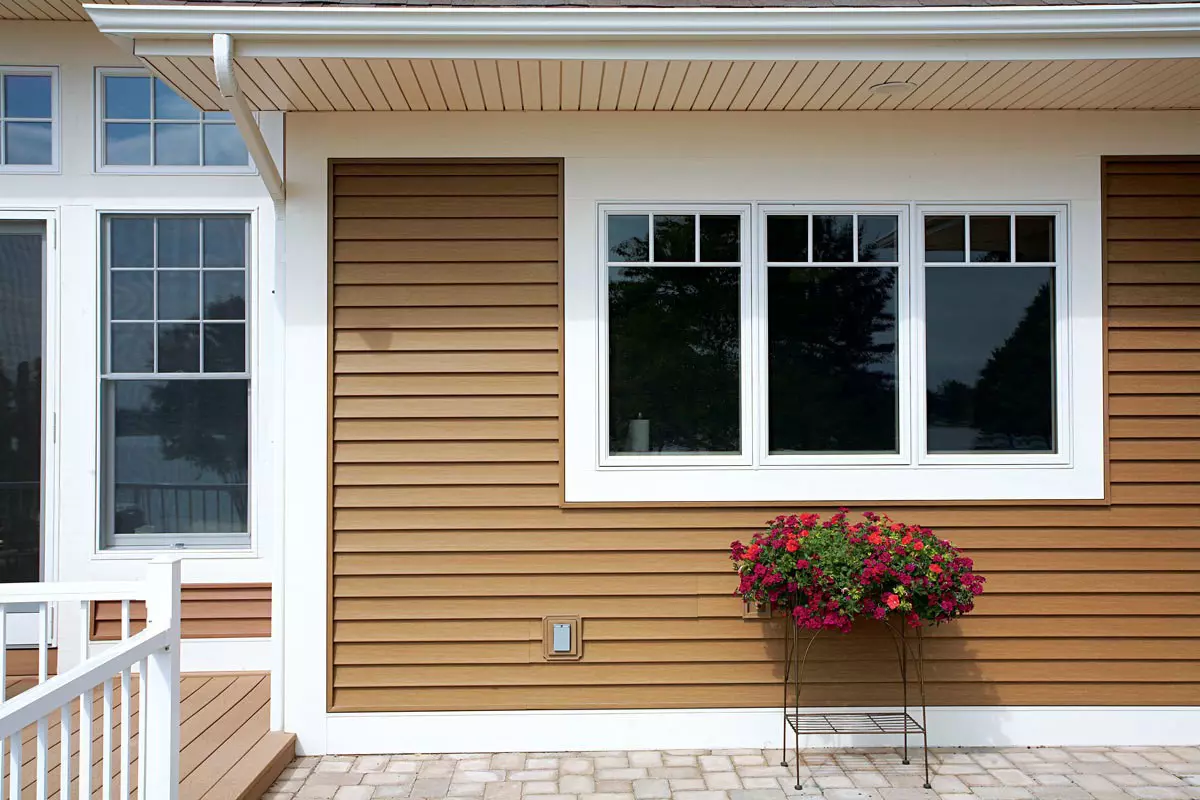
While partial siding replacement is often possible, it’s not always the best option and may affect your home’s energy efficiency and appearance. Here are some of the reasons replacing one section of siding at a time isn’t always the best idea.
Mismatching existing siding
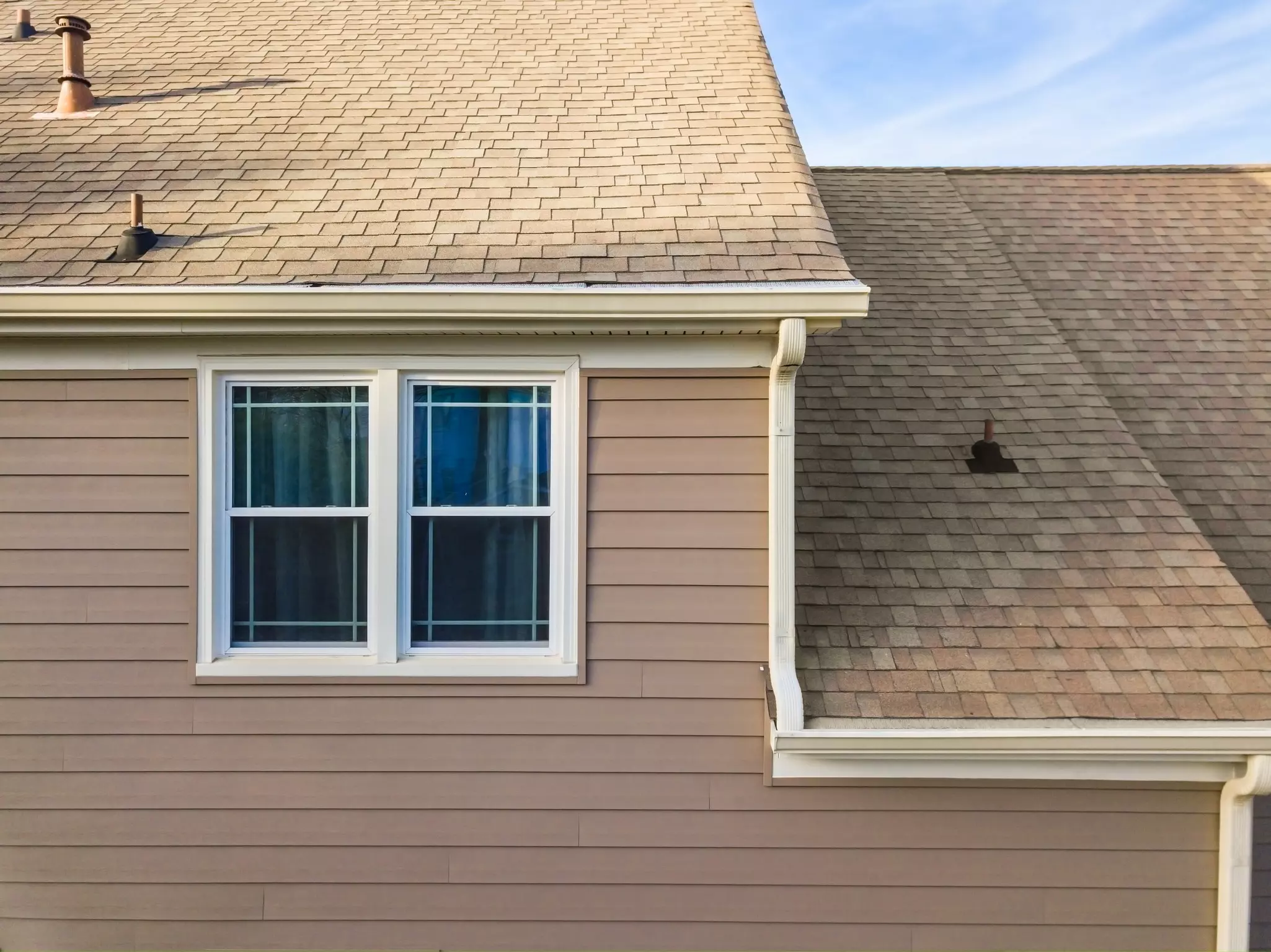
Sun bleaching can fade the color of your siding over time, making color matching nearly impossible. Even if you buy and install the original siding used, it’ll likely appear several shades darker than the panels already on the house. Since they’ve been exposed to the elements and sun for longer, they’ll be distinctly mismatched.
Differing ages of old and new siding
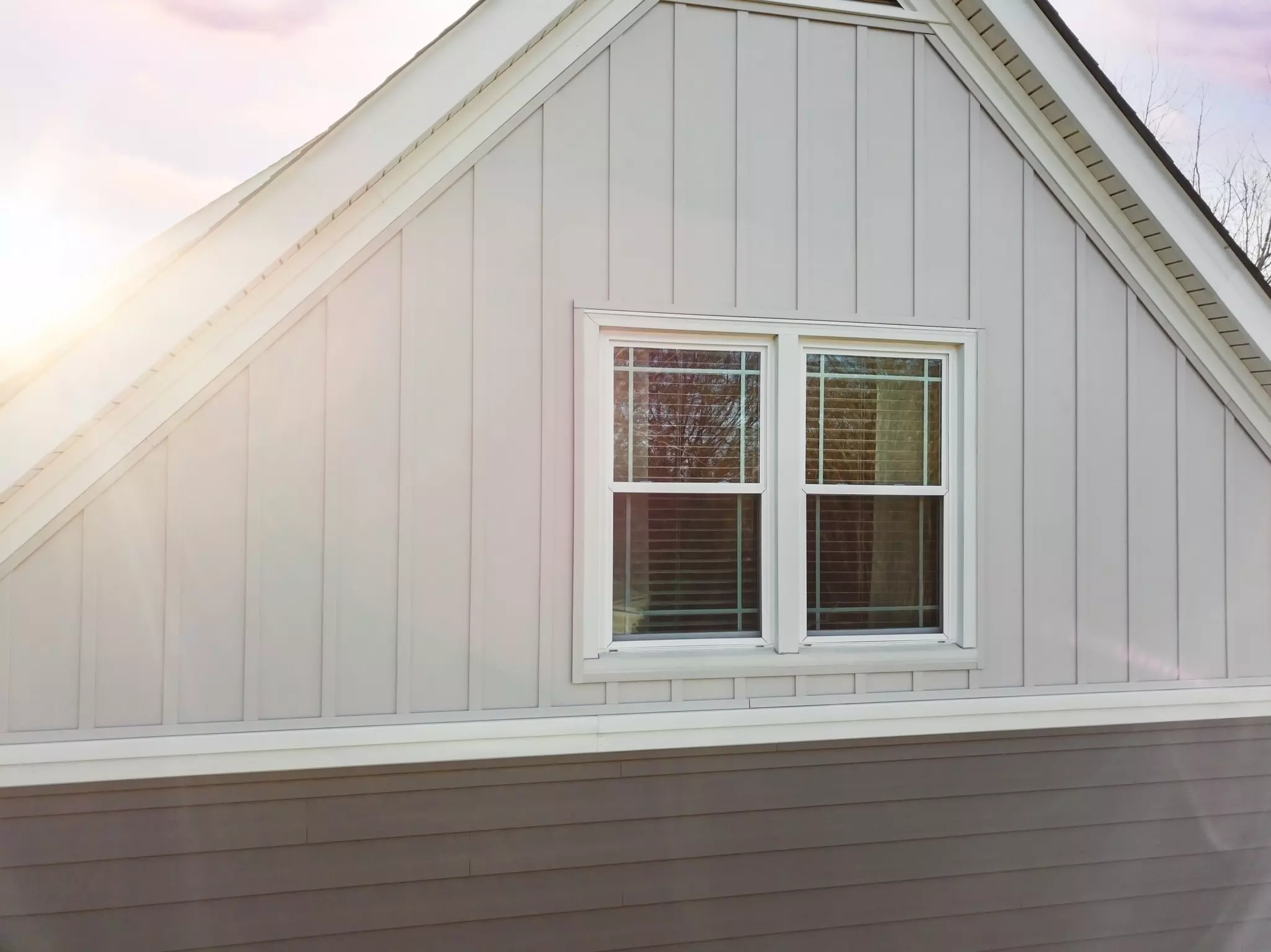
Depending on how old your existing siding is, replacing just bits of siding here and there won’t help keep the rest of your home insulated and secure. Some siding materials like wood and vinyl deteriorate more evenly and make sense to replace all at once.
Repairs may stand out
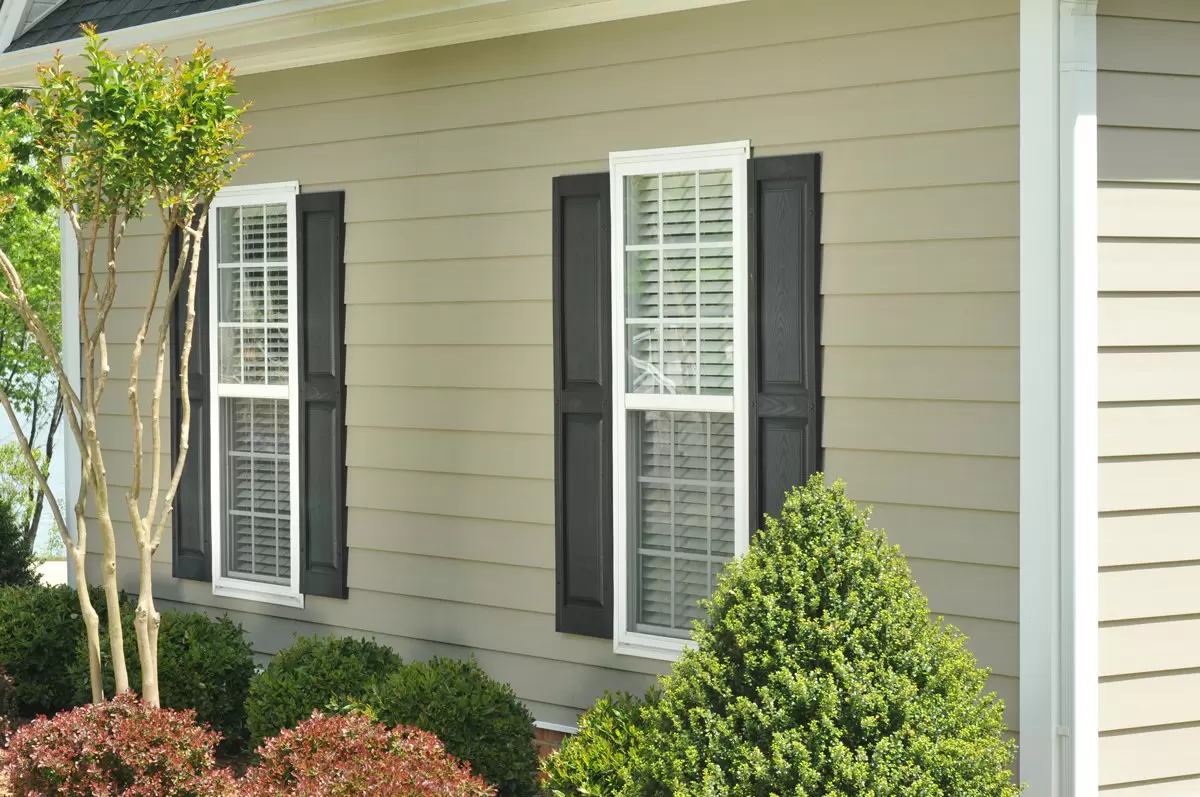
There are a lot of options for siding materials, colors, and styles on the market. It’s not uncommon for these materials and available sizes to not match up exactly, making your repair job stand out like a sore thumb. Over time, this affects the overall appearance of your home.
Damages you can’t see
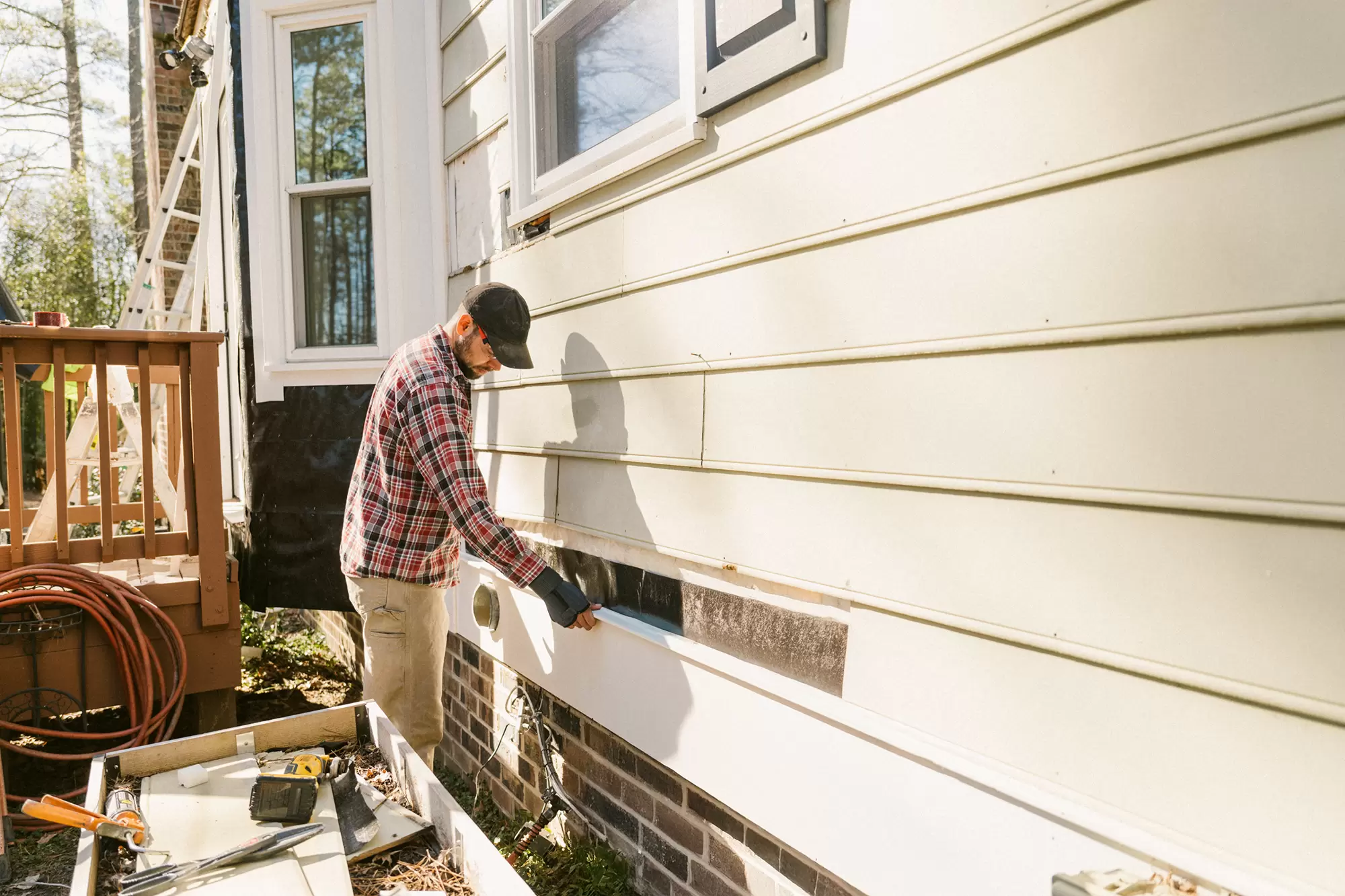
If you’re considering a partial siding replacement job due to storm damage, remember that there could be issues you can’t quite see. Keep these in mind when planning your renovation.
Moisture behind the siding
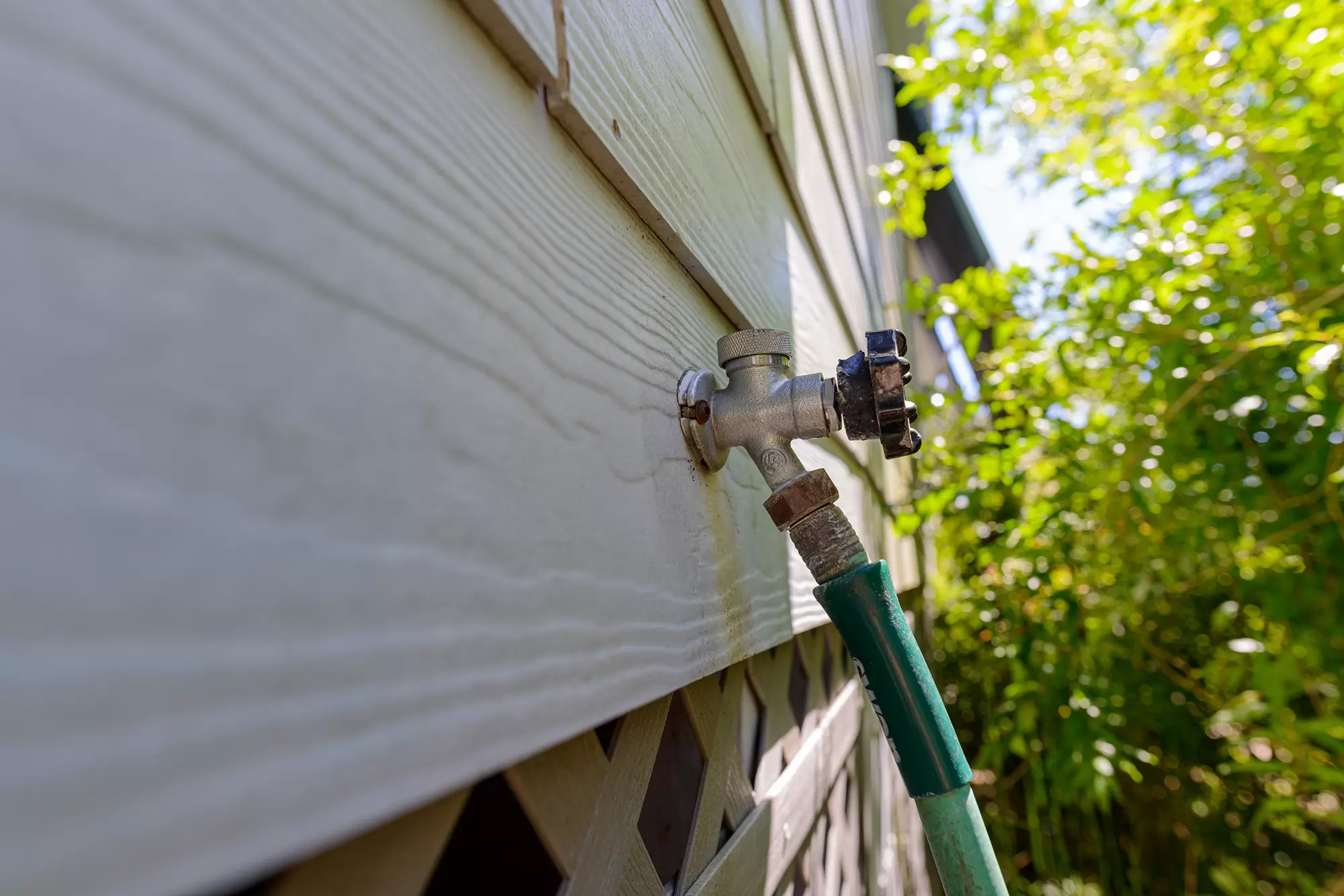
Prolonged bad weather, rain, or falling trees may introduce moisture behind your siding, leading to mold and rot. A partial replacement won’t deal with this hidden moisture buildup, which will start to affect the integrity of your home from the drywall to the foundation.
All this moisture sitting around the wood structure of your home will cause the joists to swell and hold more water, accelerating the decay and deterioration of your floors and walls. This winds up skyrocketing your repair bills.
Why patching siding doesn’t always fix the problem
A simple patch may work for some cases, but keep in mind that it comes with different issues:
- Spot repair limitations: While fixing holes and damage in your siding is helpful to the aesthetic of your home, patching siding alone addresses symptoms rather than finding the root cause of the problem.
- Inconsistent material performance: If your original siding is wood and your new siding is vinyl, or vice versa, you’ll deal with different contraction and expansion rates, leaving your home prone to gaps and unsealed areas that can’t keep out bad weather conditions.
- Repairs may become more frequent: The aging areas of your house will continue to decay, and new sections may outlast the other materials. If you keep making small replacements, you’ll be stuck in a loop of constant repairs.
A patch job may be all that’s needed for a repair, but it often doesn’t address the issues that affect durability and insulation.
When a full siding replacement is the better investment
Instead of investing in lots of small repairs, sometimes a full replacement saves you more money through better longevity, lower utility bills, and improved efficiency.
That’s because your siding is more than just a cosmetic feature – it’s also one of your home’s first lines of defense against the elements. When that protection starts to break down across large portions of the exterior, a full replacement brings your entire home up to the same standard at once with:
- Consistent insulation
- Uniform moisture resistance
- A clean seal from top to bottom
On the Alabama Gulf Coast, where heat, humidity, and storm season can accelerate wear year after year, that head-to-toe coverage matters more than it might in a milder climate.
There’s also a financial case to be made. Constant spot repairs to your siding add up – not just in direct costs, but in the efficiency losses that come from aging siding that’s slowly losing its grip. Newer siding materials, especially high-quality vinyl and composite siding, are engineered to hold up with minimal upkeep and help regulate your home’s temperature more effectively.
Over time, the savings on energy bills and avoided repairs can offset a significant portion of the upfront investment. In many cases, full siding replacement ends up being the smarter choice for many homeowners.
How do you know when it’s time to replace your home’s siding?
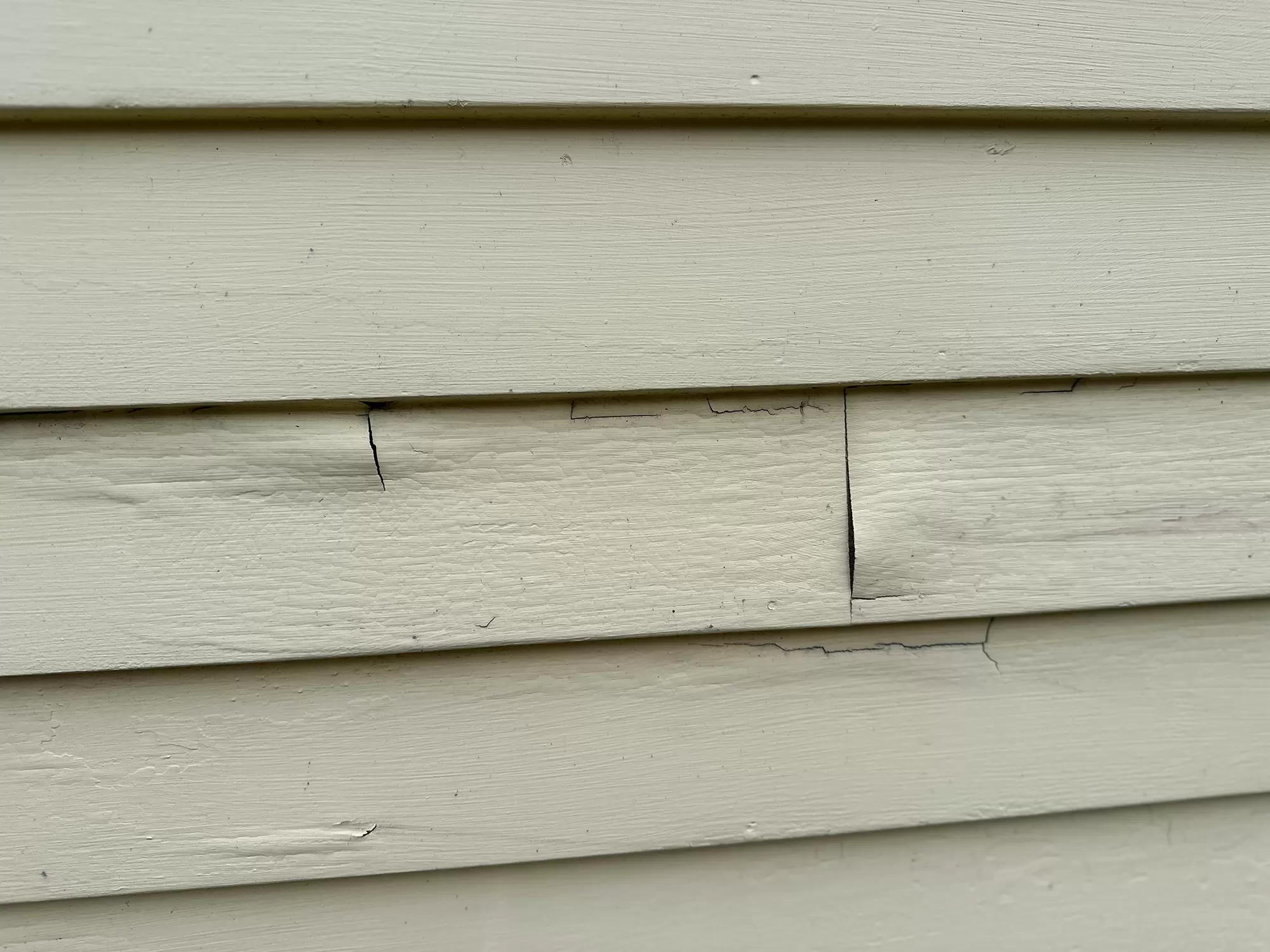
If you notice any of the following red flags on a majority of your siding, it may be time for a total replacement:
- Splits, holes, and extensive warping
- Rot, decay, and mold
- Loose or completely missing pieces of siding
- Increase in pests and bugs
- Higher energy bills
Any one or all of the above are your signs to check on all of the siding around your home. Make note of where you notice any issues and talk with our siding installation professionals about options for replacement.
Choosing between repair and replacement
Still deciding which choice is right for you as a homeowner? If the damage is extensive and the required maintenance is already adding up, it’s worth talking with a professional about the costs and benefits of a total replacement.
But if the siding damage is concentrated in one main area, removing a couple of panels may be the easiest and most cost-effective option. Ultimately, the best choice depends on your overall budget and your long-term home efficiency goals.
See how affordable and effective a full siding replacement can be
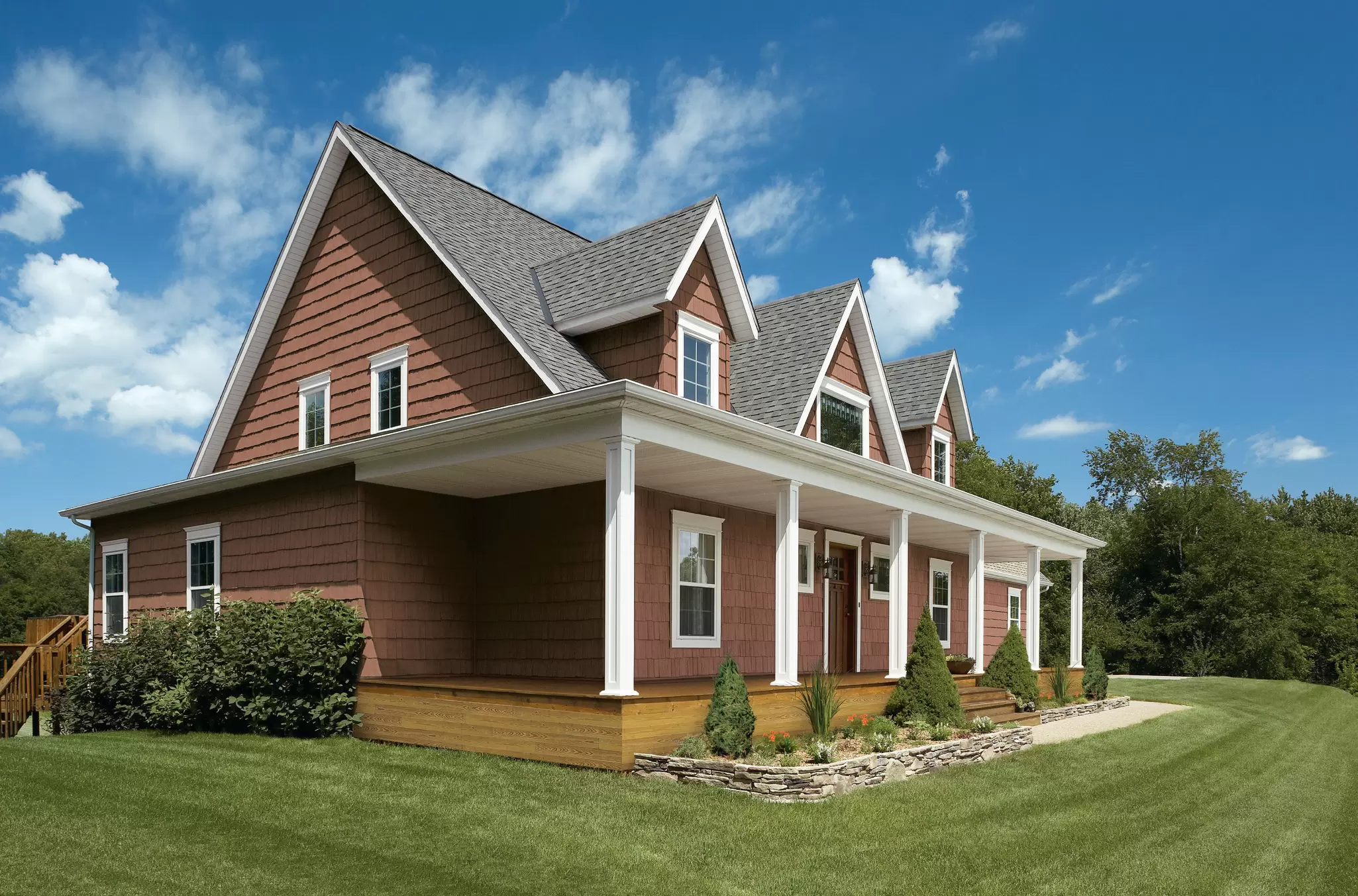
You want your home to look its best, and your siding plays a big role in that. Our local certified and insured siding team is here to help each step of the way.
At Window World of Gulf Coast, we’re standing by to answer your questions and help you decide between options when updating or replacing your old siding. Start a free quote online today or stop by our showroom in Theodore to see our siding offerings in person!


