
Your home’s siding does more than boost curb appeal – it helps protect your home from wind, rain, moisture, and other outdoor elements. When a severe storm leaves your siding cracked, dented, or missing, one of the first questions many homeowners ask is, does home insurance cover siding replacement?
The answer depends on what caused the damage. In many cases, homeowners insurance may help pay to replace damaged siding if it was caused by a covered event, such as hail or high winds. However, damage caused by age, neglect, or normal wear and tear is typically not covered.
In this guide, we’ll explain whether homeowners insurance covers siding, what types of damage are commonly covered, and how to get your siding replacement handled by the experts at Window World of Gulf Coast.
Key Takeaways
- Unexpected losses from weather events and other covered perils will typically cover siding damage but not gradual wear and tear.
- Siding damage that occurs from hail, windstorms, fire, lightning, and other events can create vulnerabilities in your home exterior that should be addressed promptly.
- Communicate with your insurer and work with a reputable siding company to replace impacted siding.
Does homeowners insurance cover siding?
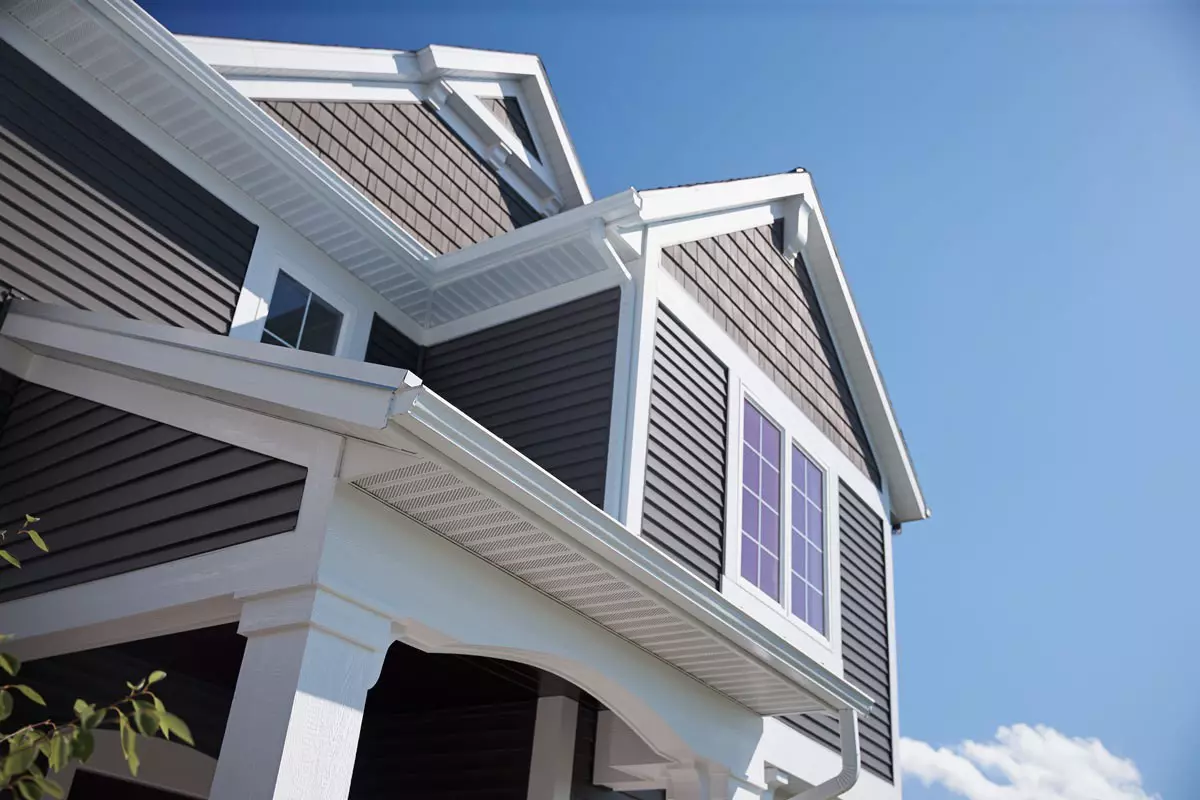
Many standard homeowners insurance policies provide coverage for siding damaged by sudden, unexpected events known as covered perils. These often include hailstorms, windstorms, falling tree limbs, lightning, or fire. If one of these events damages your siding, your insurance company may help cover the cost to replace the damaged sections, depending on your policy, deductible, and coverage limits.
Insurance is designed to protect homeowners from unexpected losses – not routine maintenance. Damage to siding caused by fading, moisture, improper installation, pest activity, or years of exposure to the elements is generally considered normal wear and tear and is not typically covered.
Because every policy is different, it’s always a good idea to review your coverage or contact your insurance provider if you’re unsure what your policy includes.
What types of siding damage are typically covered?
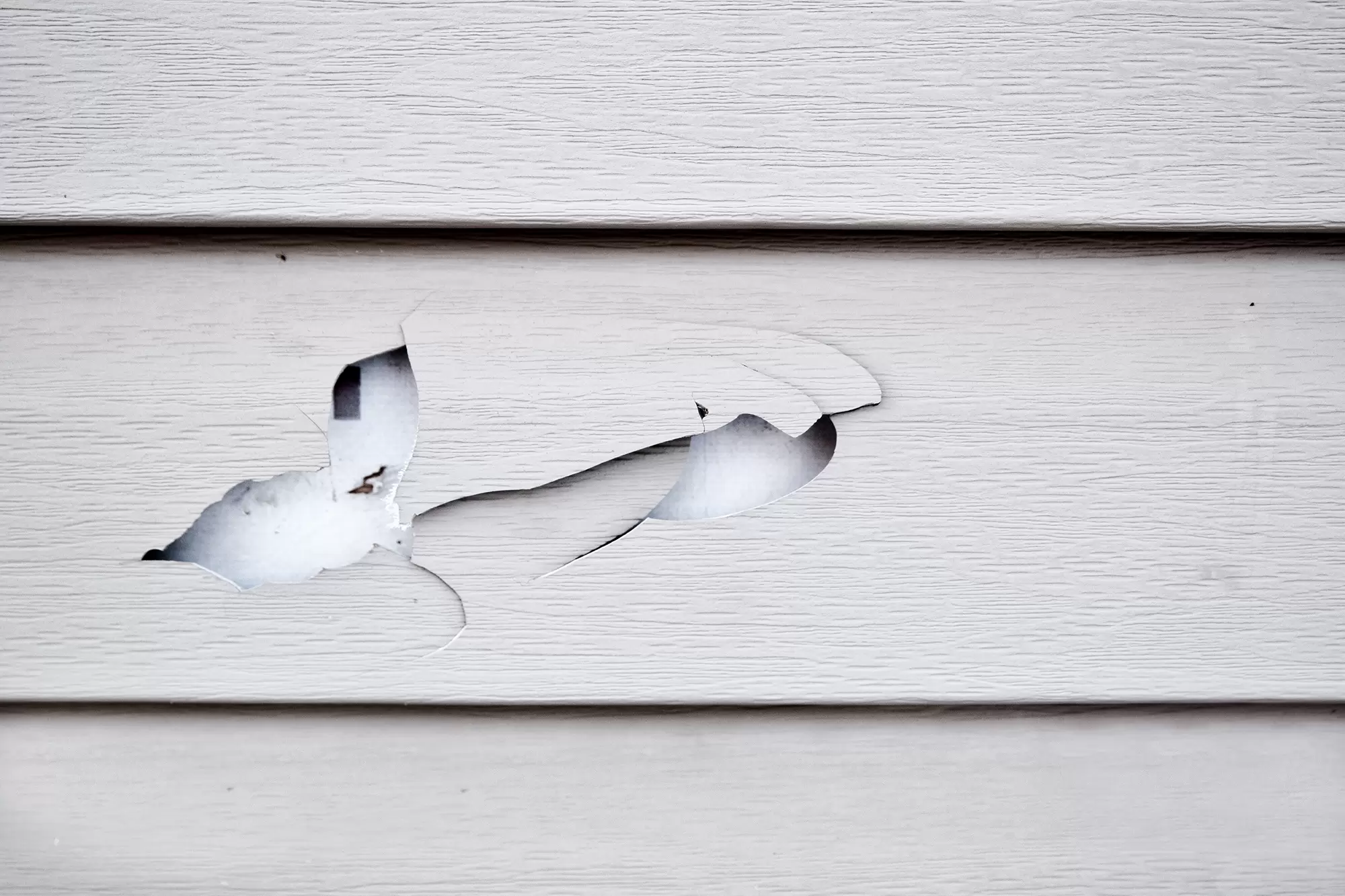
When filing a siding damage insurance claim, the cause of the damage is just as important as the damage itself.
Homeowners insurance commonly covers siding damaged by:
- Hail
- Windstorms
- Falling trees or branches
- Fire
- Lightning
- Other covered weather-related events
After your home is hit by any severe weather in your area, inspect your home’s exterior for visible signs of damage, such as cracked or broken siding, loose panels, holes from flying debris, or missing sections. Even small openings in siding can allow moisture behind the exterior, leading to more extensive problems if they’re not addressed.
Remember that siding damage caused by aging, deterioration, or lack of maintenance, however, is generally not covered by homeowners insurance. Getting damaged siding replaced promptly will help in the long run when you need insurance to step in.
How to get siding replaced by insurance
If your siding was damaged during a covered event, acting quickly can help the claims process go more smoothly.
Start by safely inspecting your home’s exterior and taking clear photos of any visible damage. Document the date of the storm or event, if possible, and contact your insurance company to begin filing a claim. An insurance adjuster may ask to inspect your home to determine whether the damage is covered under your policy. Once your insurance claim is approved, you can move forward with replacing the damaged siding and restoring your home’s protection and appearance.
When a siding professional at Window World of Gulf Coast comes by for a free estimate, we can identify hidden damage that may not be immediately visible and provide an estimate for replacement.
Will insurance replace all of your siding?
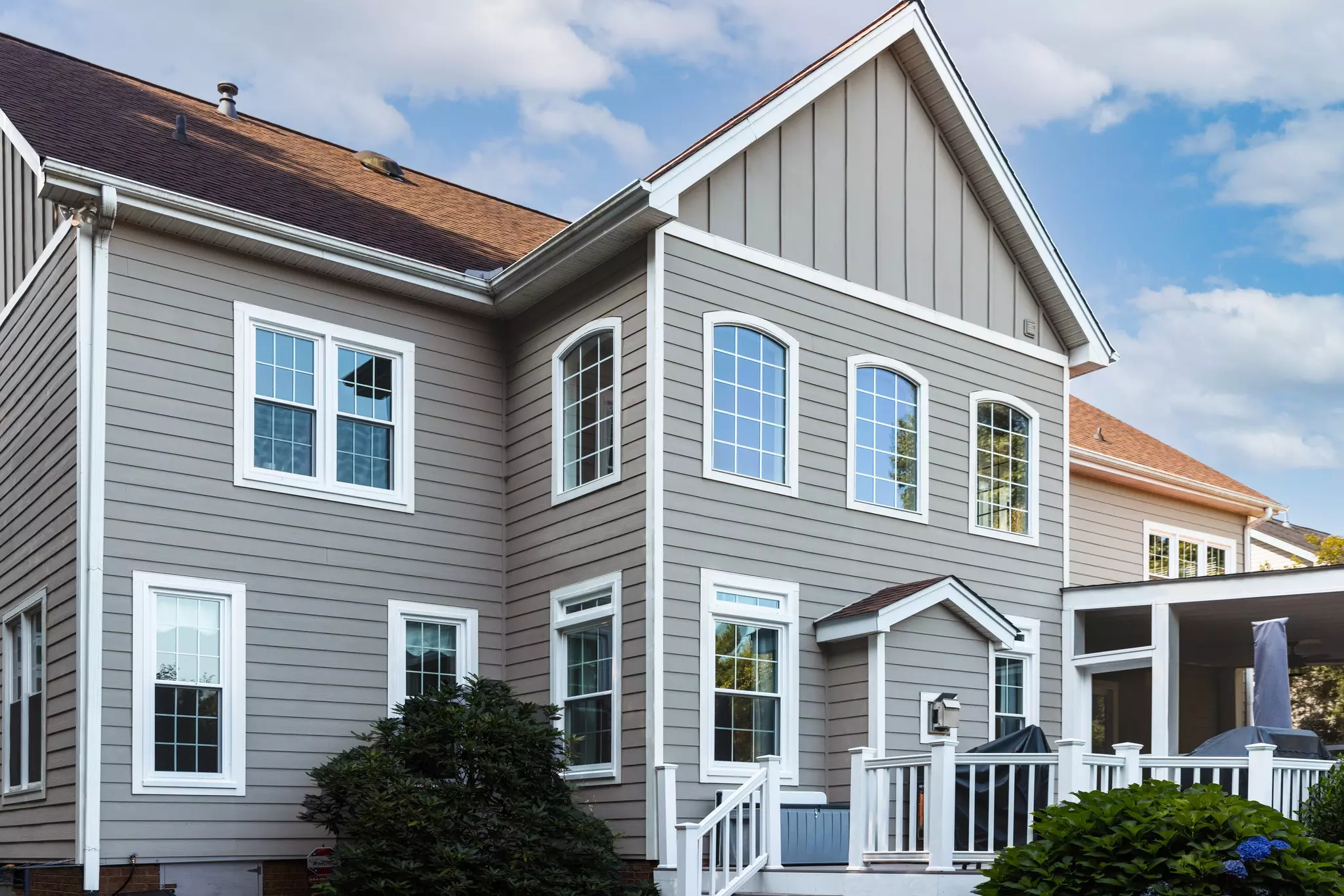
Whether insurance replaces all of your siding or only the damaged sections depends on your policy and the extent of the damage. In many cases, insurance initially covers only the areas of siding that were affected.
However, matching existing siding isn’t always easy. Older siding may have faded over time, or the original product may no longer be available. Some homeowners’ insurance policies include matching coverage when an exact replacement isn’t possible, while others do not.
If you have questions about your coverage, your insurance company is your best resource to help explain your options.
Protect your home with quality replacement siding from Window World of Gulf Coast
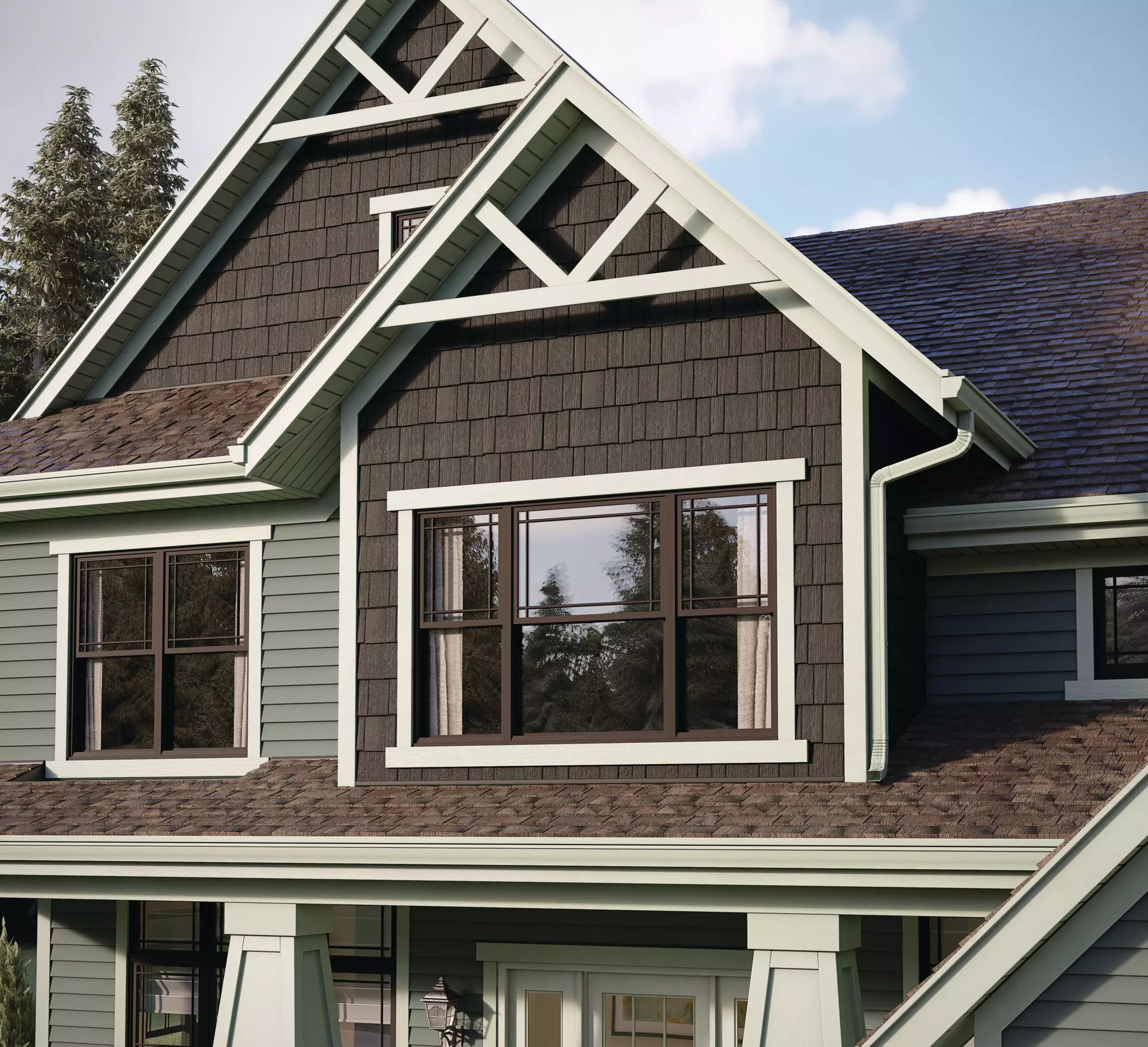
Storm damage to siding can happen when you least expect it, but understanding your homeowners insurance coverage can help you respond with confidence. While many policies cover siding damaged by covered perils like hail or wind, they generally don’t pay for damage caused by normal wear and tear or lack of maintenance.
At Window World of Gulf Coast, we’re an affordable and professional siding company when you want to be proactive about your siding’s condition or when it may be time for whole-home siding replacement. After a major storm, our team can inspect your home’s exterior, discuss your replacement options, and help you understand the next steps. Request a free in-home estimate to learn more about durable, high-quality replacement siding and storm protection products that help protect your home for years to come.
After years of exposure to the elements, your house’s siding might look a little worse for wear. Maybe a specific section is super faded, or maybe it’s just time for a color and style update.
Regardless of the reason, is it a good idea to switch out just a small section of your siding, or should you go with a complete siding replacement project?
In this guide, we’ll cover when a partial replacement makes the most sense, the challenges of smaller fixes, and when a full replacement is the better idea.
Can I replace one piece of siding?
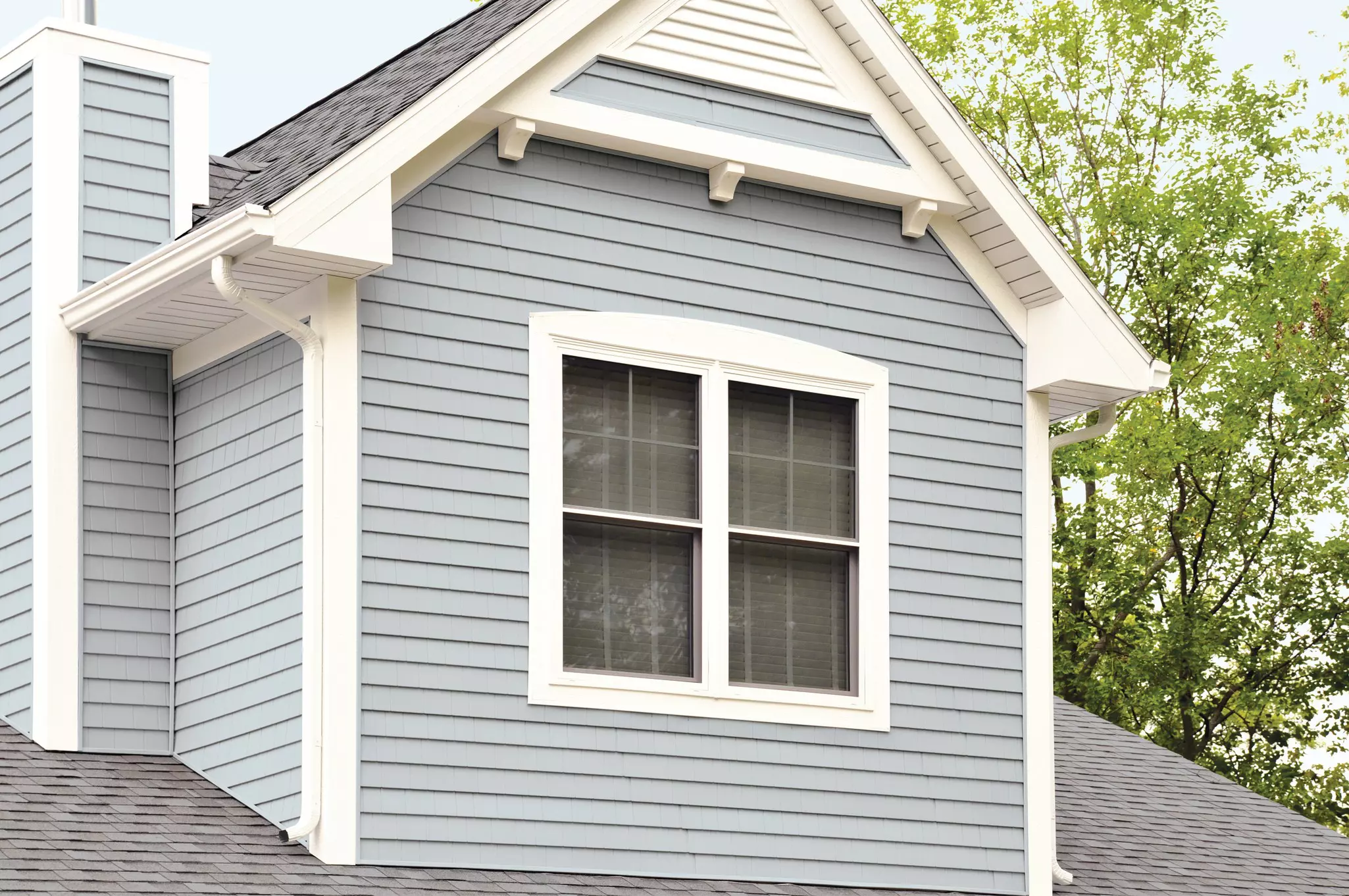
The short answer is yes, but there are several nuances to patching vs. replacing siding. Any siding project should take all of these into consideration before deciding on the best option for your home.
When partial siding replacement is possible
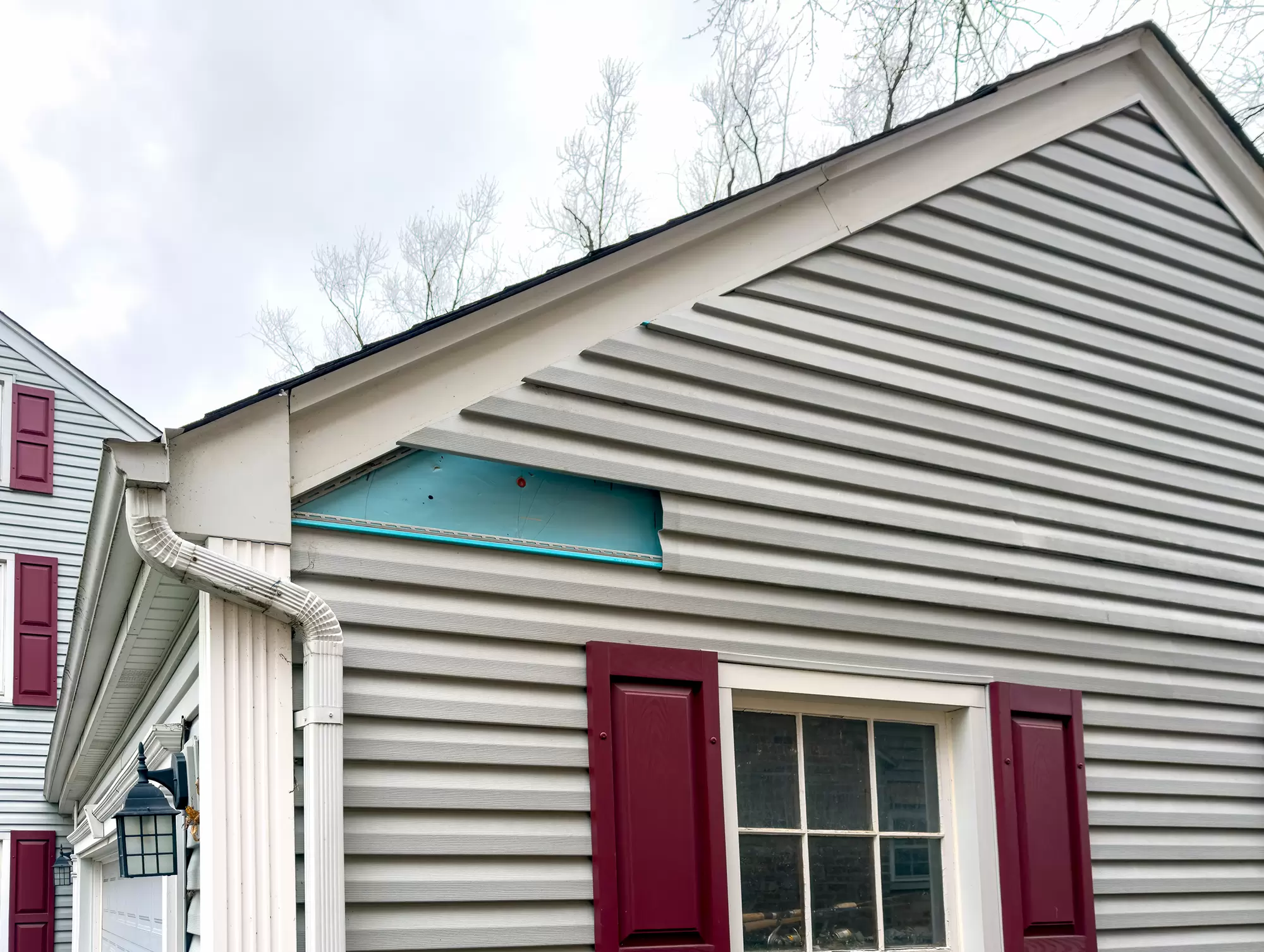
Installing new siding isn’t always necessary, especially when you’re making a fix because of localized damage. If only a small portion of your home was affected by pests or bad weather conditions, it would make sense to replace only a few siding pieces.
If you’re facing budget restrictions, replacement for just the damaged siding lets you focus on any immediate repairs, especially before the moisture intrusion around an impacted exterior area can affect your foundation.
Challenges of partial siding replacement
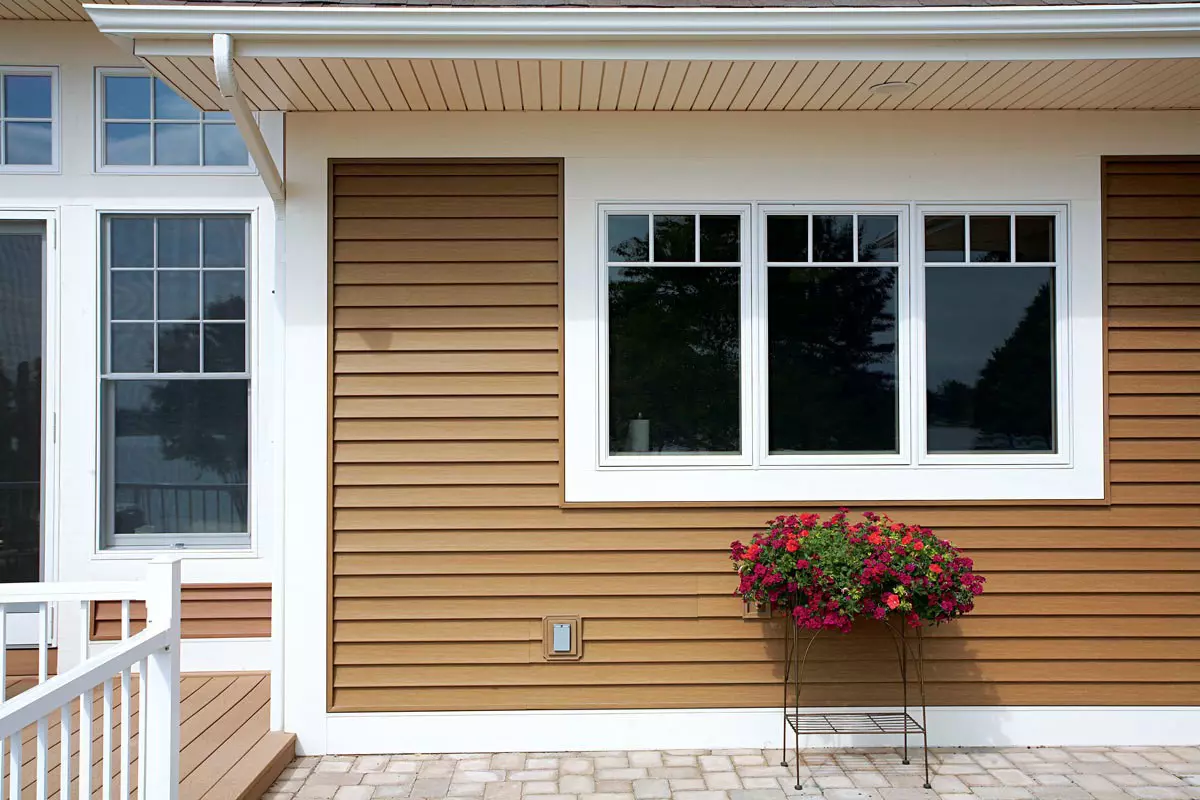
While partial siding replacement is often possible, it’s not always the best option and may affect your home’s energy efficiency and appearance. Here are some of the reasons replacing one section of siding at a time isn’t always the best idea.
Mismatching existing siding
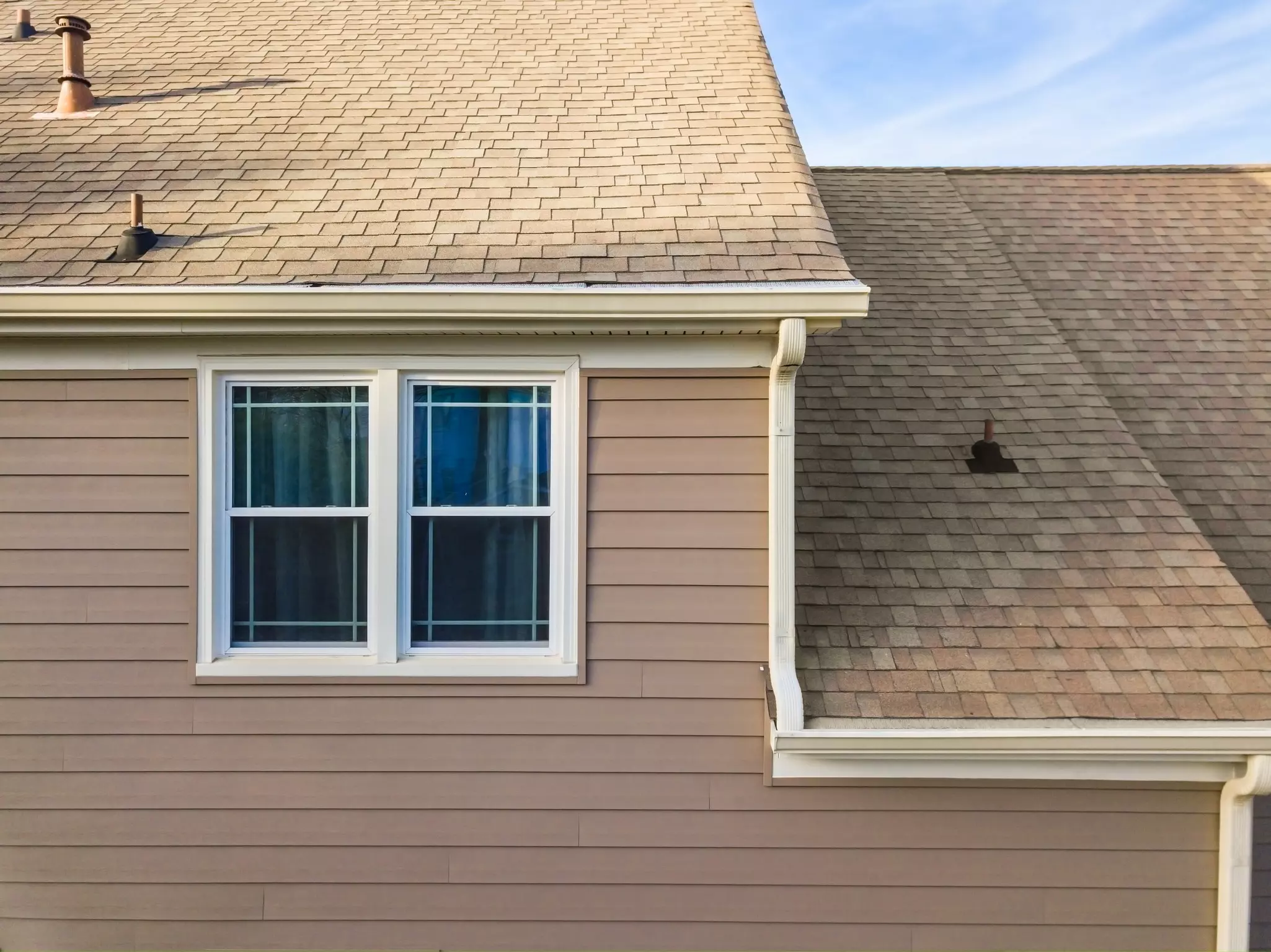
Sun bleaching can fade the color of your siding over time, making color matching nearly impossible. Even if you buy and install the original siding used, it’ll likely appear several shades darker than the panels already on the house. Since they’ve been exposed to the elements and sun for longer, they’ll be distinctly mismatched.
Differing ages of old and new siding
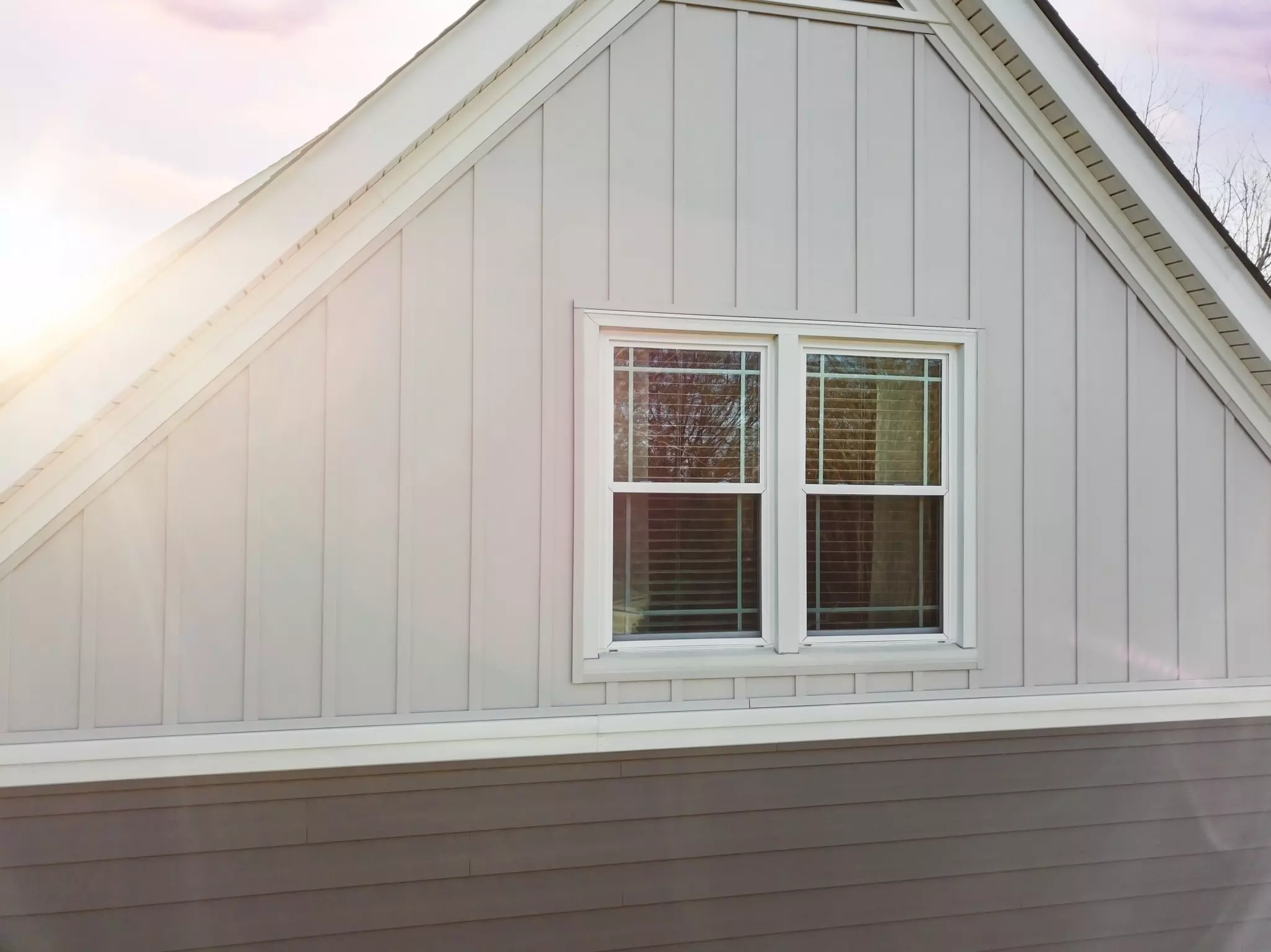
Depending on how old your existing siding is, replacing just bits of siding here and there won’t help keep the rest of your home insulated and secure. Some siding materials like wood and vinyl deteriorate more evenly and make sense to replace all at once.
Repairs may stand out
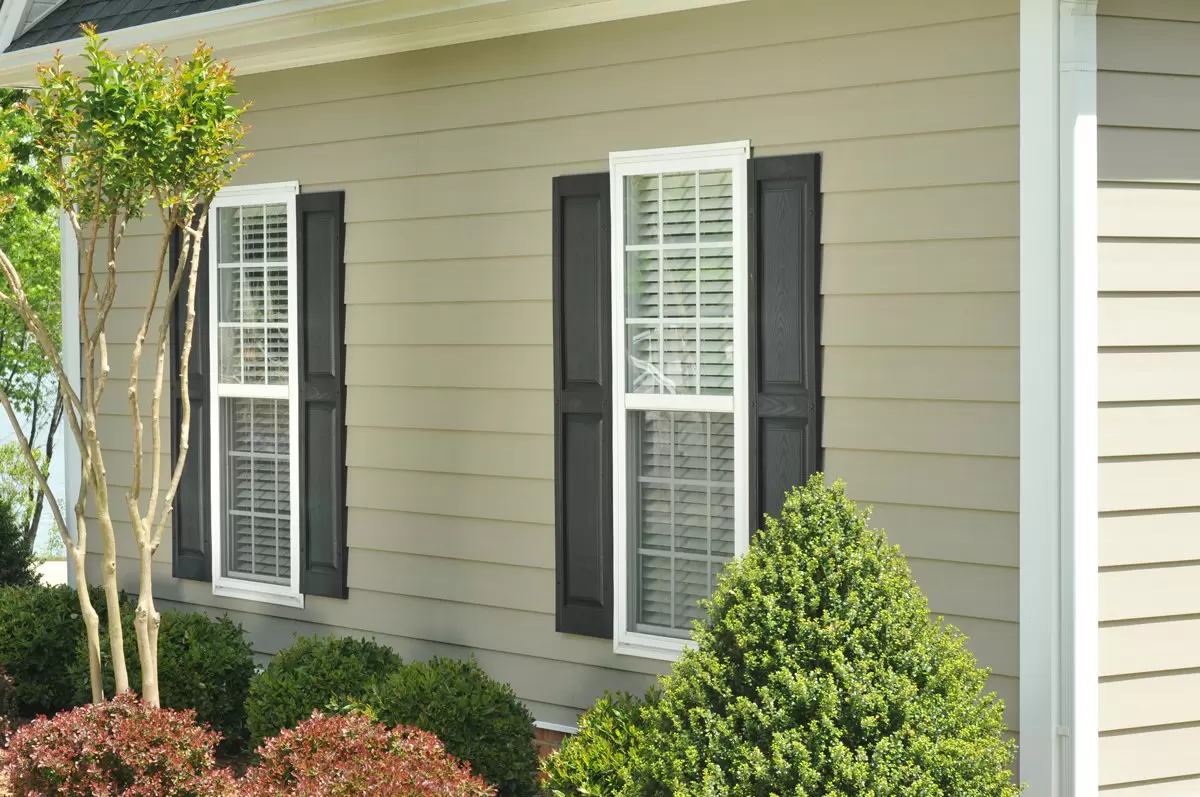
There are a lot of options for siding materials, colors, and styles on the market. It’s not uncommon for these materials and available sizes to not match up exactly, making your repair job stand out like a sore thumb. Over time, this affects the overall appearance of your home.
Damages you can’t see
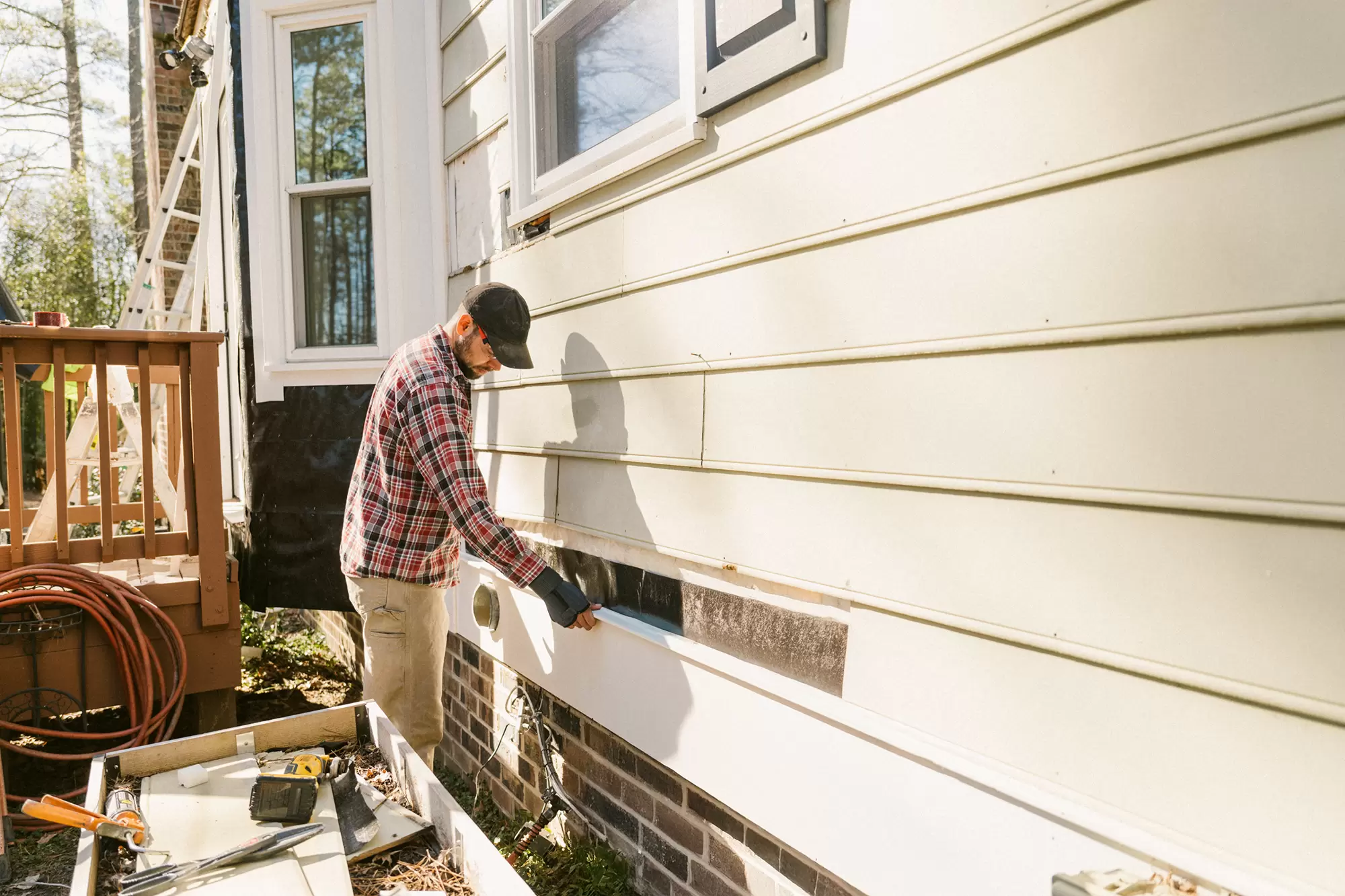
If you’re considering a partial siding replacement job due to storm damage, remember that there could be issues you can’t quite see. Keep these in mind when planning your renovation.
Moisture behind the siding
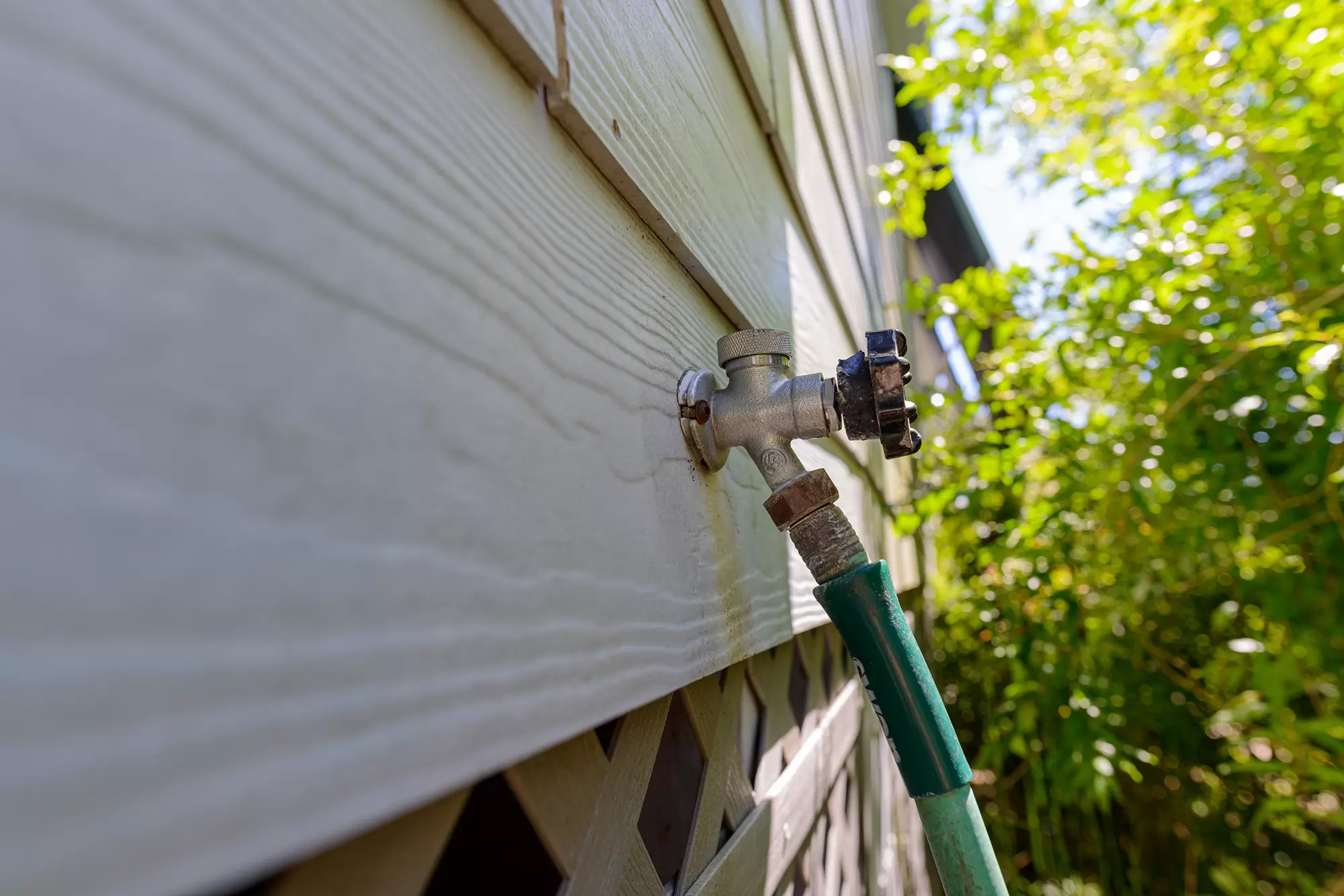
Prolonged bad weather, rain, or falling trees may introduce moisture behind your siding, leading to mold and rot. A partial replacement won’t deal with this hidden moisture buildup, which will start to affect the integrity of your home from the drywall to the foundation.
All this moisture sitting around the wood structure of your home will cause the joists to swell and hold more water, accelerating the decay and deterioration of your floors and walls. This winds up skyrocketing your repair bills.
Why patching siding doesn’t always fix the problem
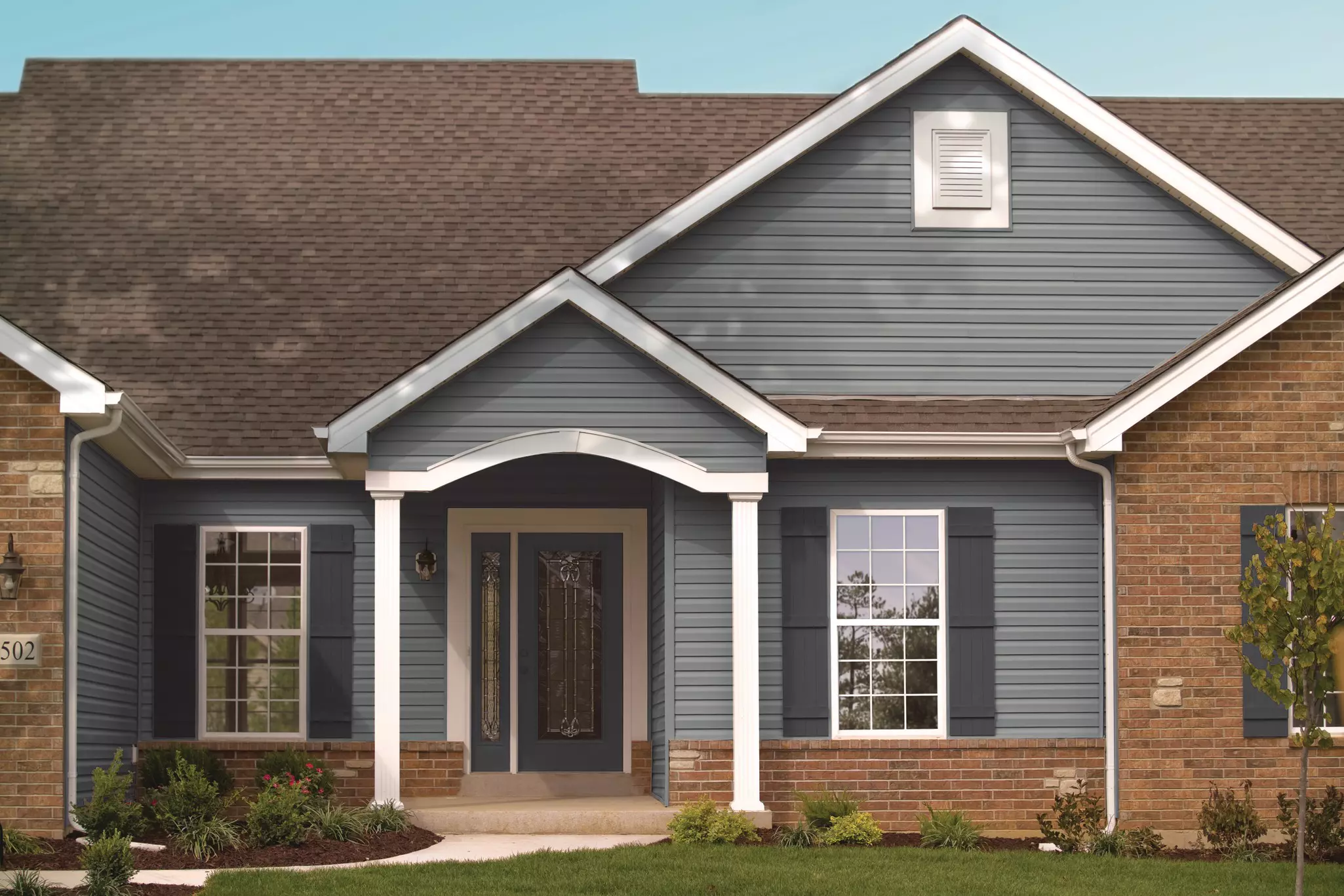
A simple patch may work for some cases, but keep in mind that it comes with different issues:
- Spot repair limitations: While fixing holes and damage in your siding is helpful to the aesthetic of your home, patching siding alone addresses symptoms rather than finding the root cause of the problem.
- Inconsistent material performance: If your original siding is wood and your new siding is vinyl, or vice versa, you’ll deal with different contraction and expansion rates, leaving your home prone to gaps and unsealed areas that can’t keep out bad weather conditions.
- Repairs may become more frequent: The aging areas of your house will continue to decay, and new sections may outlast the other materials. If you keep making small replacements, you’ll be stuck in a loop of constant repairs.
A patch job may be all that’s needed for a repair, but it often doesn’t address the issues that affect durability and insulation.
When a full siding replacement is the better investment
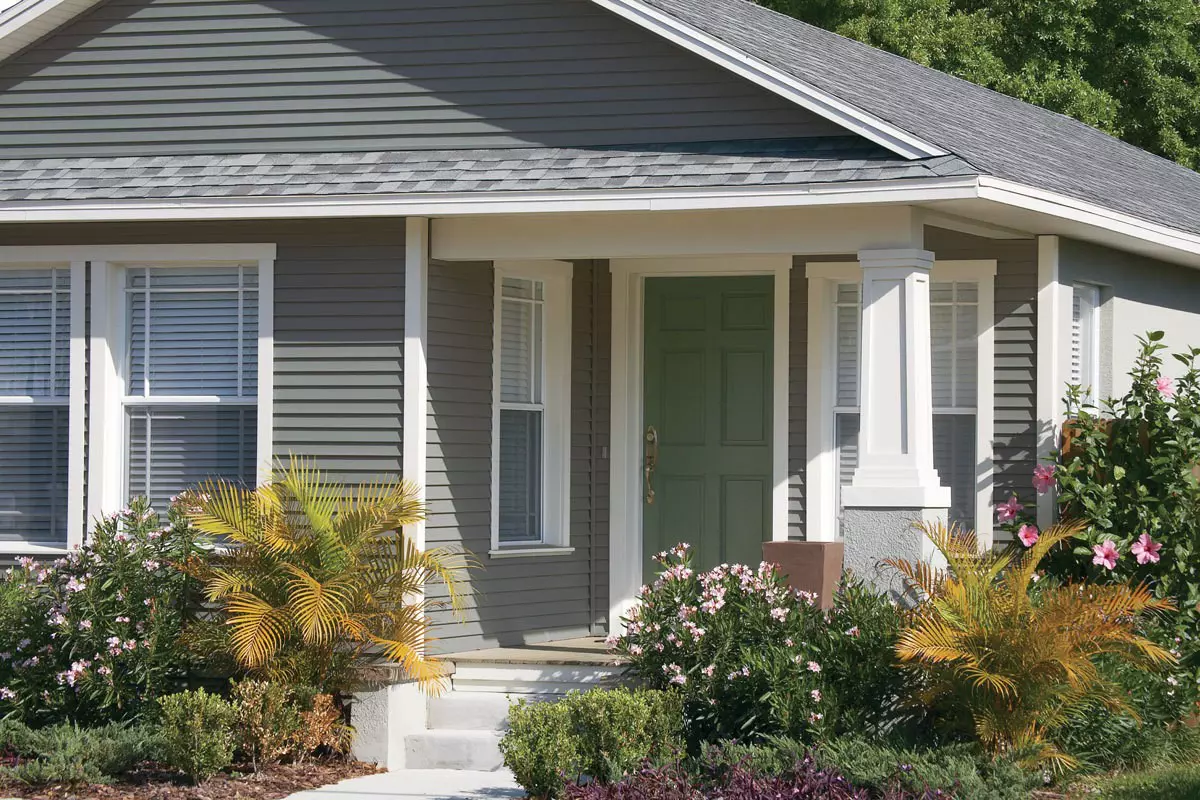
Instead of investing in lots of small repairs, sometimes a full replacement saves you more money through better longevity, lower utility bills, and improved efficiency.
That’s because your siding is more than just a cosmetic feature – it’s also one of your home’s first lines of defense against the elements. When that protection starts to break down across large portions of the exterior, a full replacement brings your entire home up to the same standard at once with:
- Consistent insulation
- Uniform moisture resistance
- A clean seal from top to bottom
On the Alabama Gulf Coast, where heat, humidity, and storm season can accelerate wear year after year, that head-to-toe coverage matters more than it might in a milder climate.
There’s also a financial case to be made. Constant spot repairs to your siding add up – not just in direct costs, but in the efficiency losses that come from aging siding that’s slowly losing its grip. Newer siding materials, especially high-quality vinyl and composite siding, are engineered to hold up with minimal upkeep and help regulate your home’s temperature more effectively.
Over time, the savings on energy bills and avoided repairs can offset a significant portion of the upfront investment. In many cases, full siding replacement ends up being the smarter choice for many homeowners.
How do you know when it’s time to replace your home’s siding?
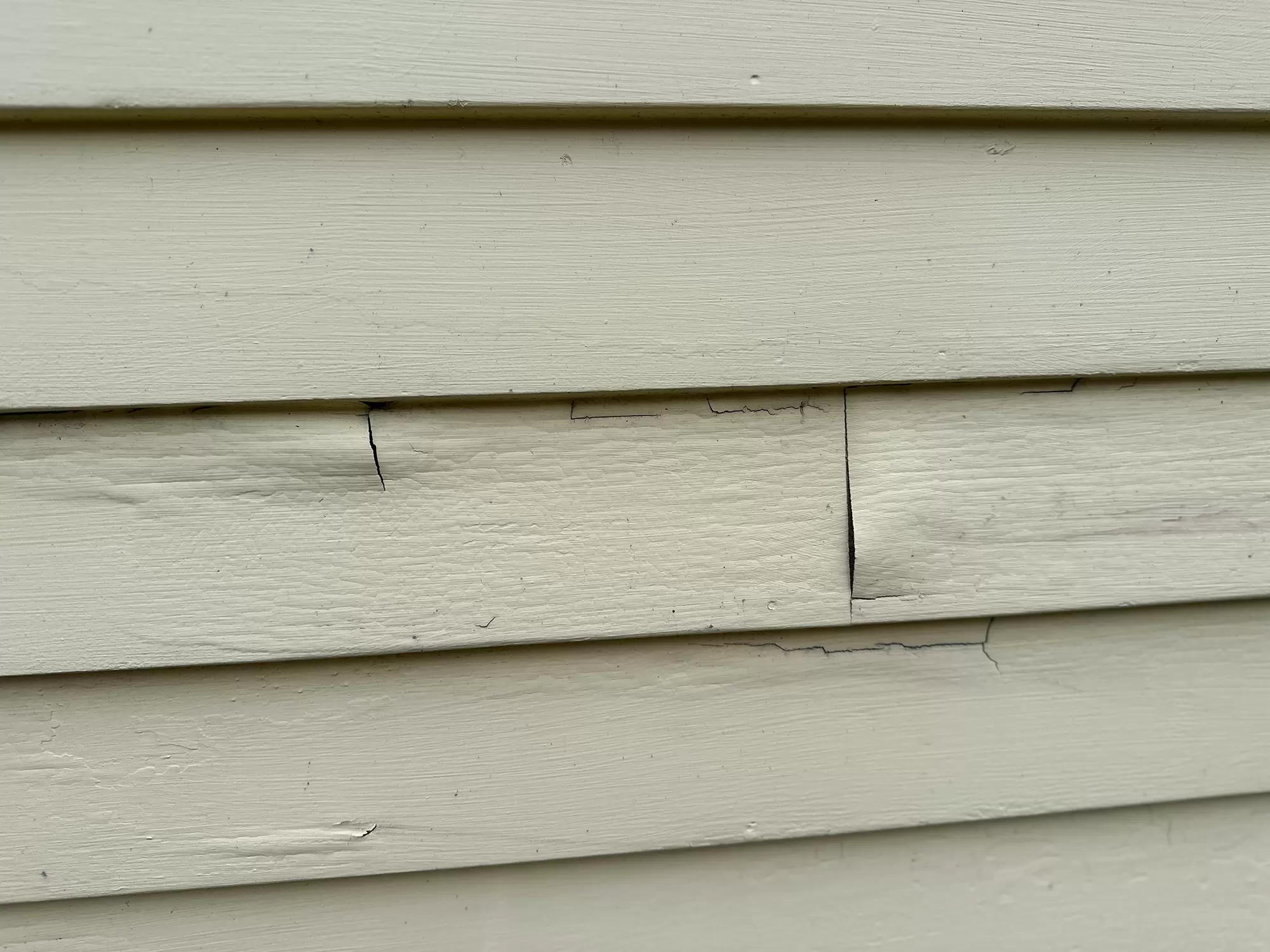
If you notice any of the following red flags on a majority of your siding, it may be time for a total replacement:
- Splits, holes, and extensive warping
- Rot, decay, and mold
- Loose or completely missing pieces of siding
- Increase in pests and bugs
- Higher energy bills
Any one or all of the above are your signs to check on all of the siding around your home. Make note of where you notice any issues and talk with our siding installation professionals about options for replacement.
Choosing between repair and replacement
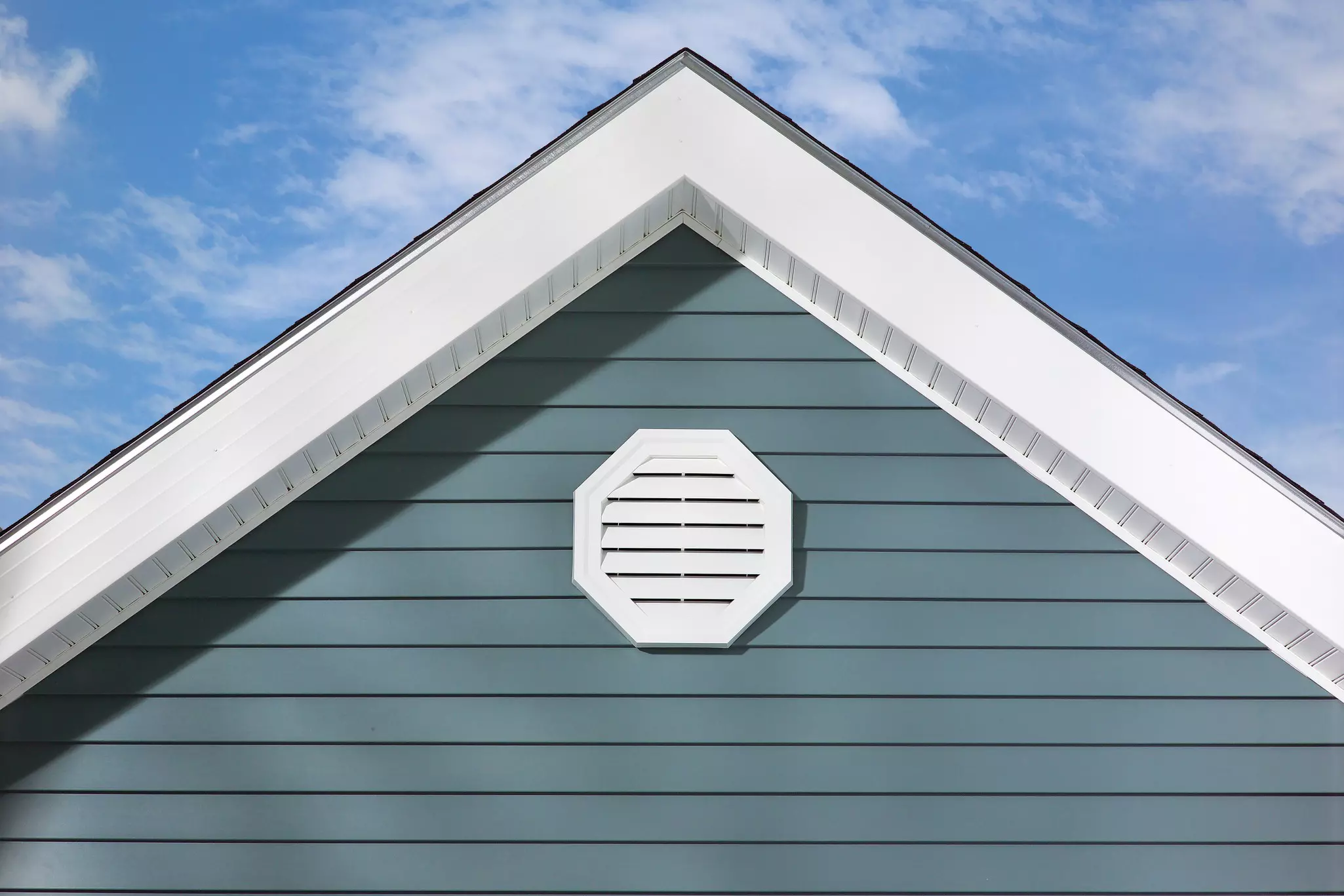
Still deciding which choice is right for you as a homeowner? If the damage is extensive and the required maintenance is already adding up, it’s worth talking with a professional about the costs and benefits of a total replacement.
But if the siding damage is concentrated in one main area, removing a couple of panels may be the easiest and most cost-effective option. Ultimately, the best choice depends on your overall budget and your long-term home efficiency goals.
See how affordable and effective a full siding replacement can be
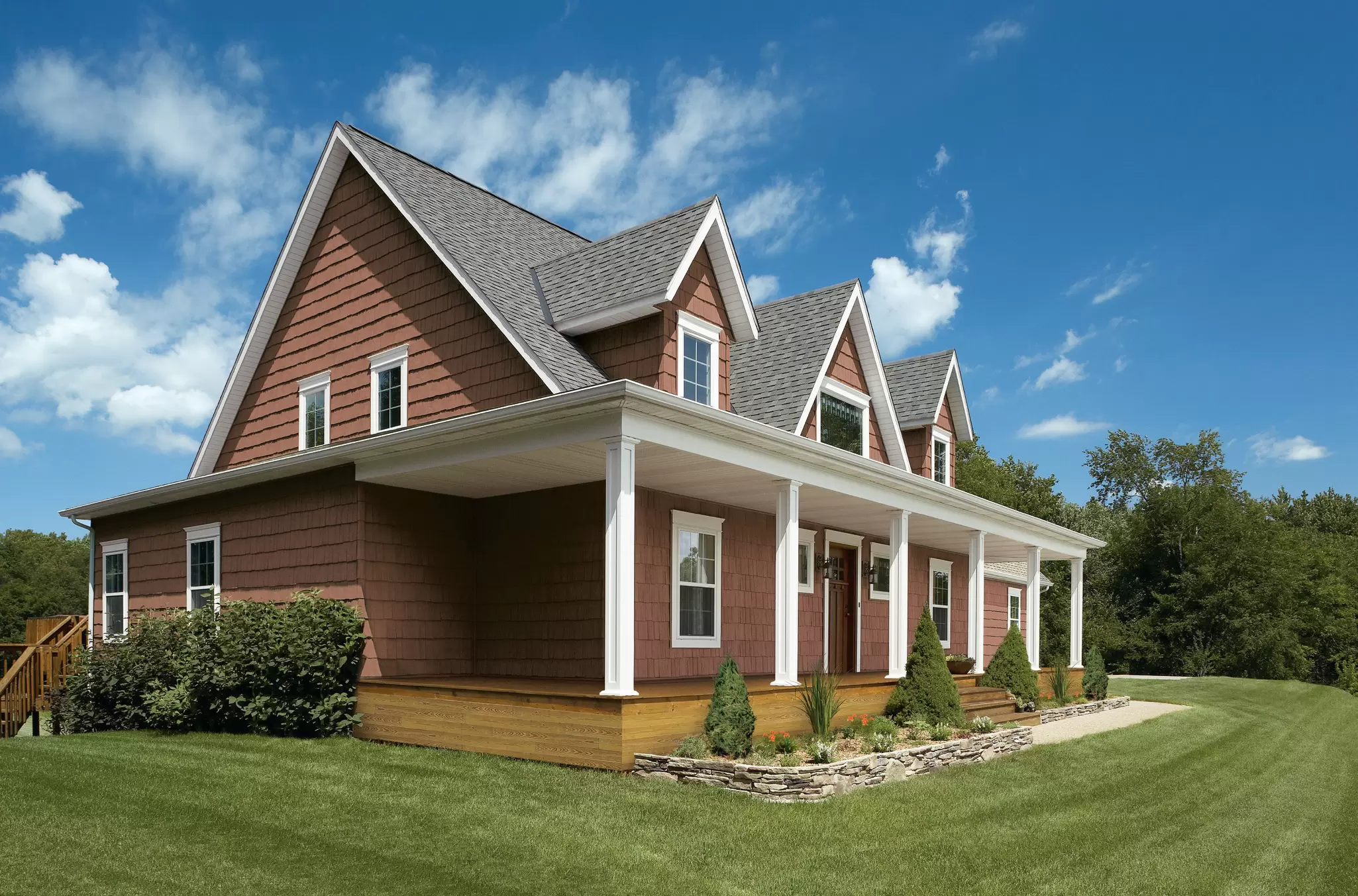
You want your home to look its best, and your siding plays a big role in that. Our local certified and insured siding team is here to help each step of the way.
At Window World of Gulf Coast, we’re standing by to answer your questions and help you decide between options when updating or replacing your old siding. Start a free quote online today or stop by our showroom in Theodore to see our siding offerings in person!
Top Weather Issues For Siding
- Heat + UV — Faster fading, chalking, warping
- Humidity — Traps moisture → mildew, swelling, rot, corrosion
- Storms — Wind-driven rain exploits seams → leaks, loosened panels
- Material fit — Moisture-resistant composite/insulated options last longer
Why Mobile’s Weather Is Tough On Siding
If you live in Mobile, AL, you already know the weather never really takes a break. Heat, humidity, long rain stretches and the occasional tropical system all hit your home from every angle. That mix can put steady pressure on your siding, especially if it wasn’t designed for Gulf Coast conditions.
Summer humidity raises a common question: Can humidity damage siding? It can, depending on the material and how well it resists moisture. Constant exposure to damp air can cause lower-quality siding to soften, swell or trap moisture behind panels. Add in Mobile’s heavy afternoon storms and high dew points, and you get a year-round stress test.
Window World of Gulf Coast installs siding engineered with these conditions in mind, so it holds up better through long summers and wet winters.
How Heat, Sun And Humidity Affect Different Siding Types
Mobile sees plenty of direct sun and high temperatures. Over time, that heat can cause some siding materials to warp or fade. That’s why understanding how to protect siding from heat matters if you want it to stay in good shape.
Humidity plays a different role. When the air stays heavy and warm, moisture has more time to sit against the exterior. If siding doesn’t manage moisture well, it can lead to mold growth or hidden damage.
Here’s how the siding options from Window World of Gulf Coast handle these conditions:
- Everlast Composite – Built to resist moisture absorption and swelling
- 4000 Series – Features a reinforced design that stands up to advanced heat cycles
- 6000 Series – Improves energy efficiency and limits warping
What High-Performance Siding Delivers In Coastal Conditions
Siding that performs well along the Gulf Coast has to solve three problems: intense sun, high humidity and wind-driven rain. Window World of Gulf Coast offers options designed with all three in mind.
Fade-resistant finishes keep panels looking clean and consistent even after extended UV exposure. Insulated panels add strength and help limit expansion during heat spikes. Moisture-managing designs reduce the chance of water pockets sitting behind the siding.
All of it is backed by a Limited Lifetime Warranty. You can also take advantage of available financing to spread out the cost of upgrading your siding.
Practical Ways To Protect Your Home’s Siding In Mobile, AL
A few small habits can make your siding last longer:
- Rinse exterior walls once or twice a year to remove salt, pollen and dirt.
- Trim back landscaping so plants aren’t pressing moisture against the walls.
- After long stretches of rain, check for areas that stay damp longer than they should.
- Check the caulking around windows and doors to ensure it’s sealing properly.
- If anything looks warped or consistently wet, schedule a siding assessment.
Make Sure Your Siding Holds Up In Mobile’s Climate
Mobile’s mix of heat, humidity and storms makes siding work harder than in most places, so choosing a material that can handle these conditions is worth the effort.
If your siding is showing early signs of wear or you want something built for long-term performance, contact Window World of Gulf Coast for siding replacement so your home stays protected year-round.


