
When it’s time to replace your windows, style is about a lot more than looks. The type of window you choose determines how your home ventilates, how much natural light each room receives, how easy your windows are to clean and operate, and how well they seal against the elements. With so many options available, it’s a good idea to know what sets each style apart before you decide.
Casement windows are one of the most popular choices on the market – but are they the right choice for every room in your home? How do they stack up against double-hung windows, picture windows, and other styles? Let’s take a close look at how casement windows compare to the alternatives so you can make the right decision for your home renovation.
What are casement windows?
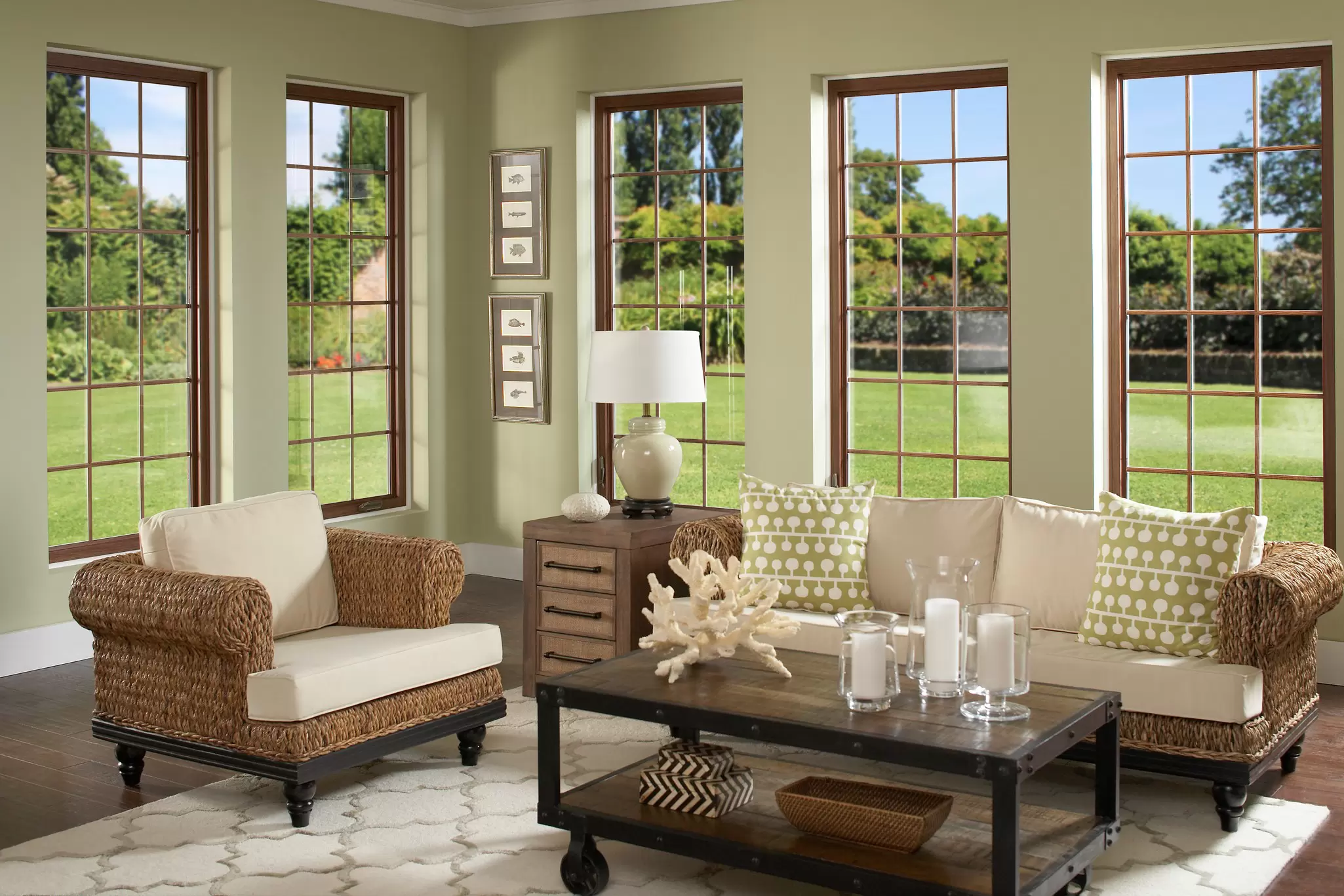
Casement windows are hinged on one side – either the left or the right – and swing outward when opened, like a door. They’re usually operated by a crank handle located at the base of the window frame, making them easy to open and close with a simple turn, even in hard-to-reach spots.
Because the entire sash swings open, casement windows offer excellent ventilation. The outward-opening design acts almost like a scoop, directing outdoor air into the room rather than just allowing passive airflow. When closed, the sash presses firmly against the frame on all sides, creating a tight seal that makes casement windows among the most energy-efficient operable window styles available.
Casement windows are typically taller than they are wide, and they work well across a range of architectural styles, from traditional to contemporary. They’re also available in a variety of frame materials, glass packages, and hardware finishes, giving homeowners plenty of flexibility in terms of both performance and appearance.
How do casement windows compare to other window types?
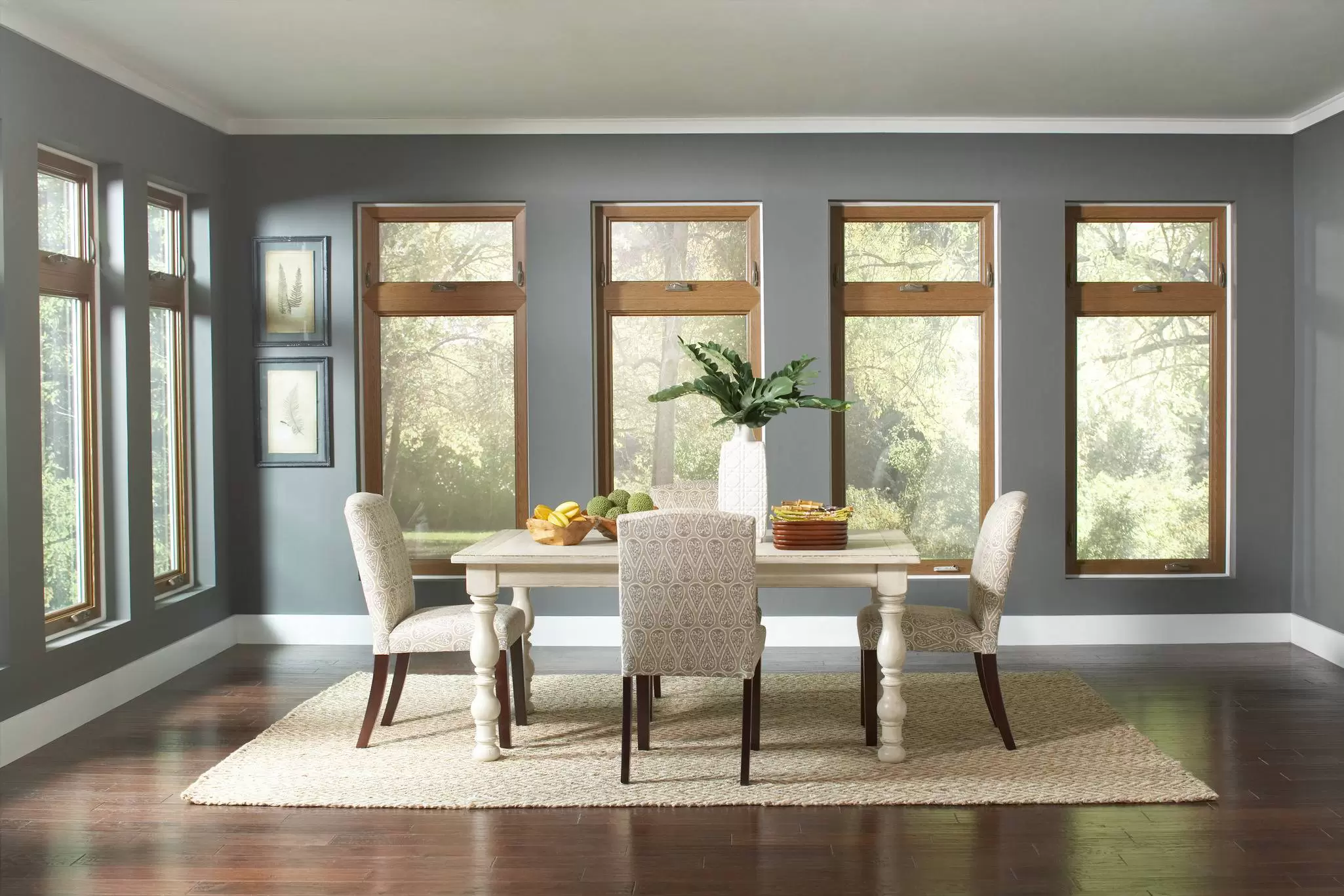
Every window style has its strengths, and the ideal choice depends on where the window is going, how you want it to function, and what you’re willing to invest. Here’s how casement windows measure up against the most common alternatives.
Casement windows vs. double-hung windows
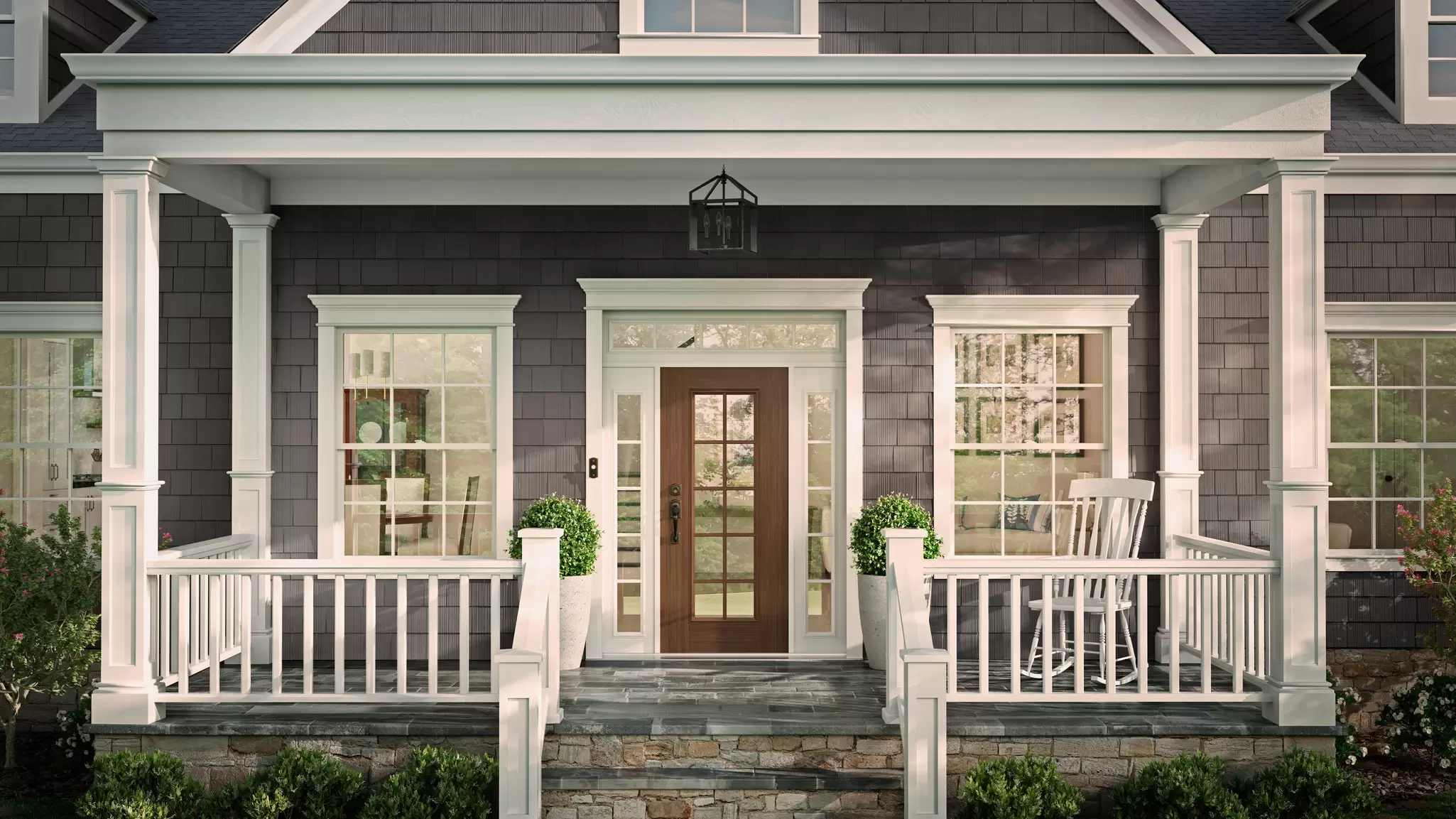
Double-hung windows are probably the most familiar window style in American homes. They feature two sashes – an upper and a lower – that both slide vertically within the frame. Either sash can be opened independently, and many double-hung windows tilt inward for easy cleaning from inside the home.
Casement windows and double-hung windows are both excellent choices, but they serve slightly different needs:
- When it comes to ventilation, casement windows have an edge – the full sash opens outward, catching and channeling the breeze more effectively than a partially open double-hung. Double-hung windows, on the other hand, offer more flexibility in controlling airflow: you can open the top, the bottom, or both, which allows warm air to escape from the top while cooler air enters from below.
- For energy efficiency, casement windows typically perform slightly better because the sash compresses against the frame on all four sides when closed, leaving less opportunity for air leakage.
- Cleaning is another area where the two styles differ. Double-hung windows with tilt-in sashes can be cleaned from inside your home, which is very convenient (especially on upper floors). Casement windows require cleaning the exterior glass from outside, which can be less practical on second-story installations.
- In terms of cost, double-hung windows are generally more affordable than casement windows, both for the window unit itself and for installation. For homeowners working with a tighter budget or replacing a large number of windows at once, that difference can add up.
Casement windows vs. single-hung windows
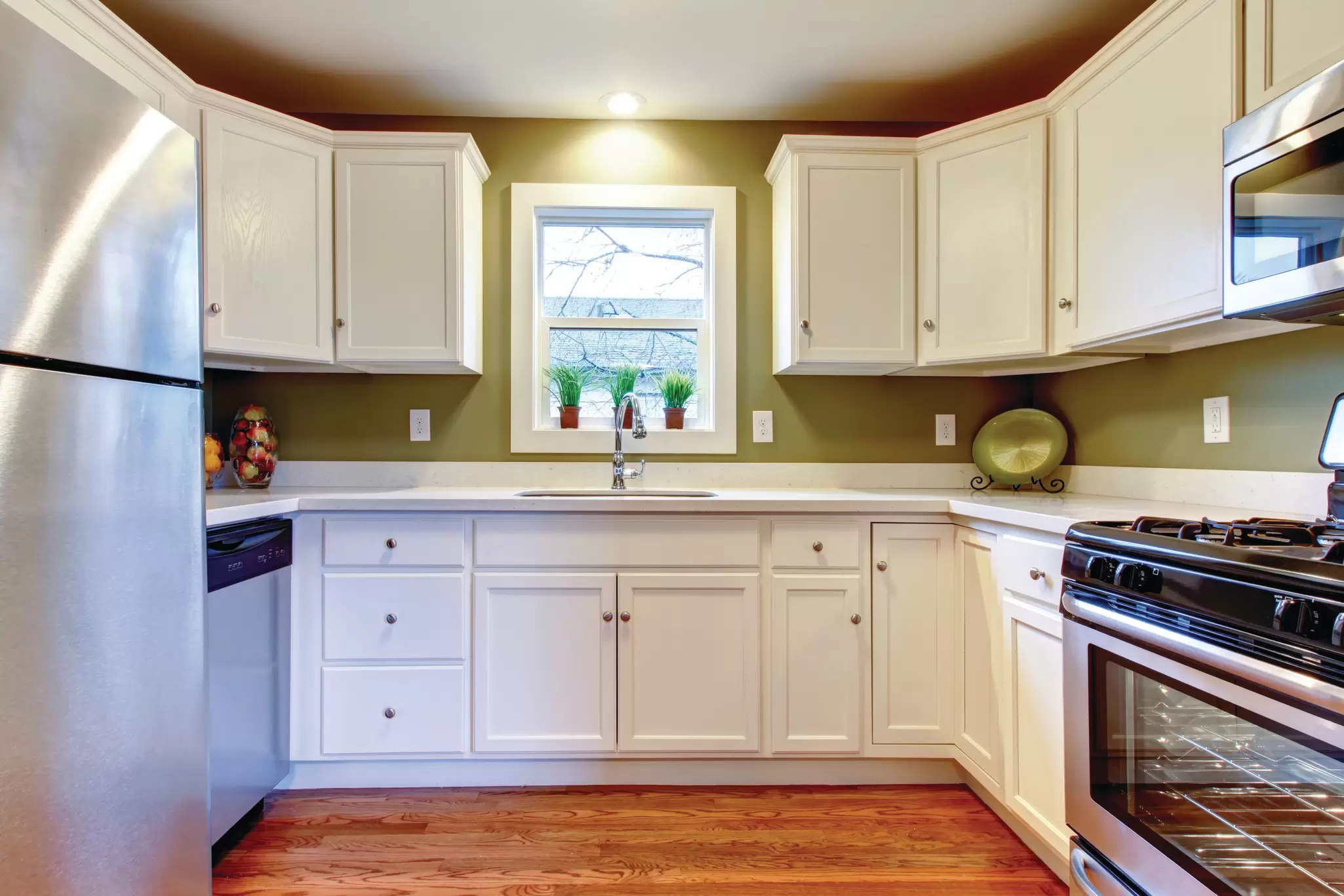
Single-hung windows look nearly identical to double-hung windows from the outside, but only the lower sash moves; the upper sash is fixed in place. They’re among the most affordable window styles available, making them a popular choice for budget-conscious projects and rooms where ventilation isn’t a top priority.
Compared to casement windows:
- Single-hung windows offer less ventilation flexibility and slightly lower energy performance, since only half the window opens. They also don’t typically tilt inward for cleaning, so exterior surfaces need to be cleaned from the outside.
- Where single-hung windows shine is in straightforward, cost-effective replacement situations. If you’re replacing a bedroom window you open occasionally or a basement window where the primary concern is light rather than airflow, a single-hung window is a practical and affordable solution.
- For rooms where you want maximum ventilation and a tighter seal, casement is the stronger performer.
Casement windows vs. sliding windows
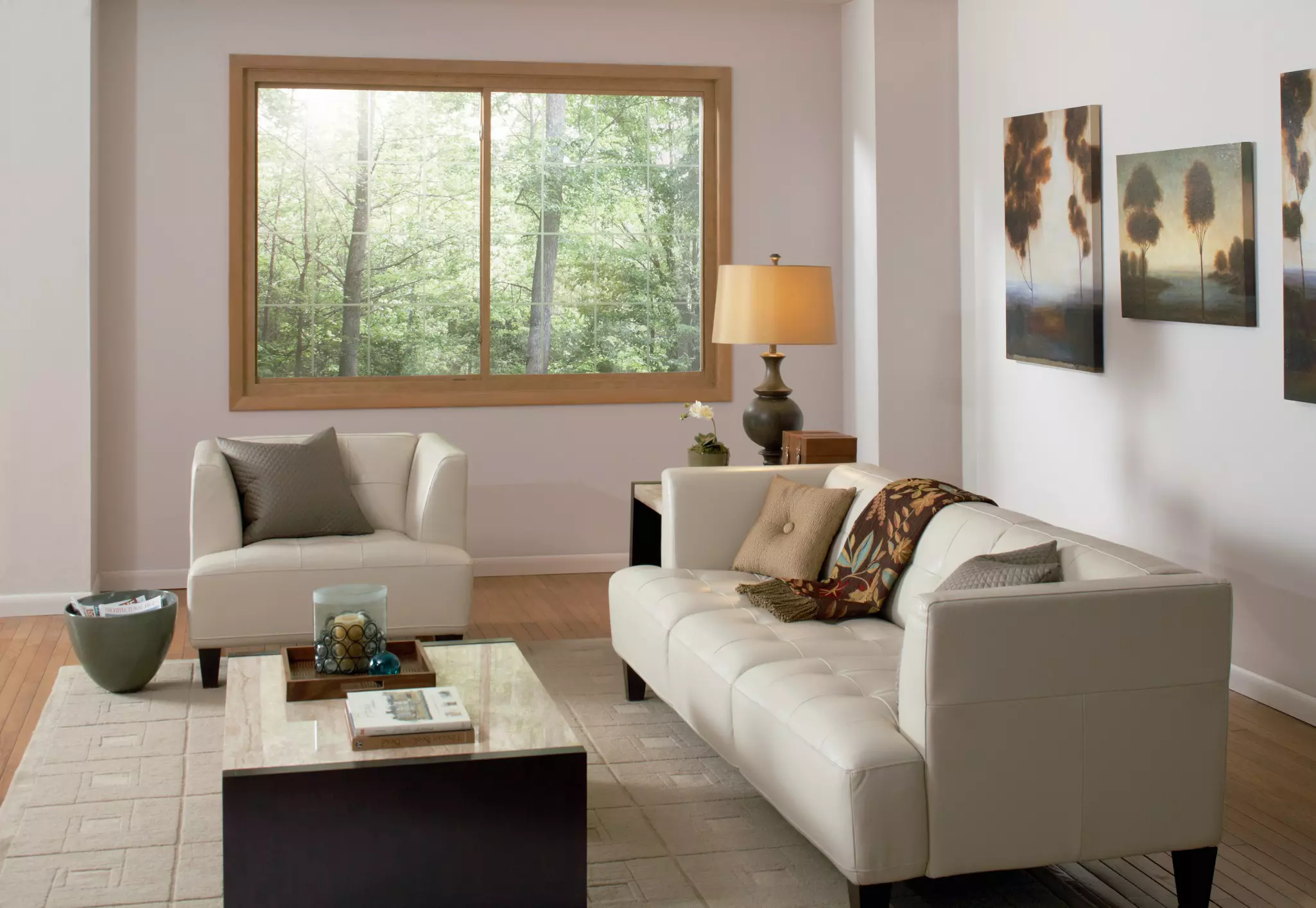
Sliding windows operate on a horizontal track, with one or more sashes that glide left and right rather than opening outward or sliding vertically. They’re a popular choice for wider openings where a tall, narrow window wouldn’t be proportionally appropriate, and they work well in contemporary home designs. Here’s how they compare to casement windows:
- A sliding window can only open half of its total width at any given time, since one sash is always stationary. A casement window, by contrast, opens the entire sash outward, making it more effective at capturing and directing airflow.
- Casement windows also offer better energy efficiency for the same reason they outperform double-hung windows: The outward-pressing seal is tighter than the sliding track mechanism.
- That said, sliding windows don’t require exterior clearance for an outward-swinging sash, which makes them a better fit for areas like patios, walkways, or landscaped spaces where an opening casement might be obstructed or get in the way.
Casement windows vs. picture windows
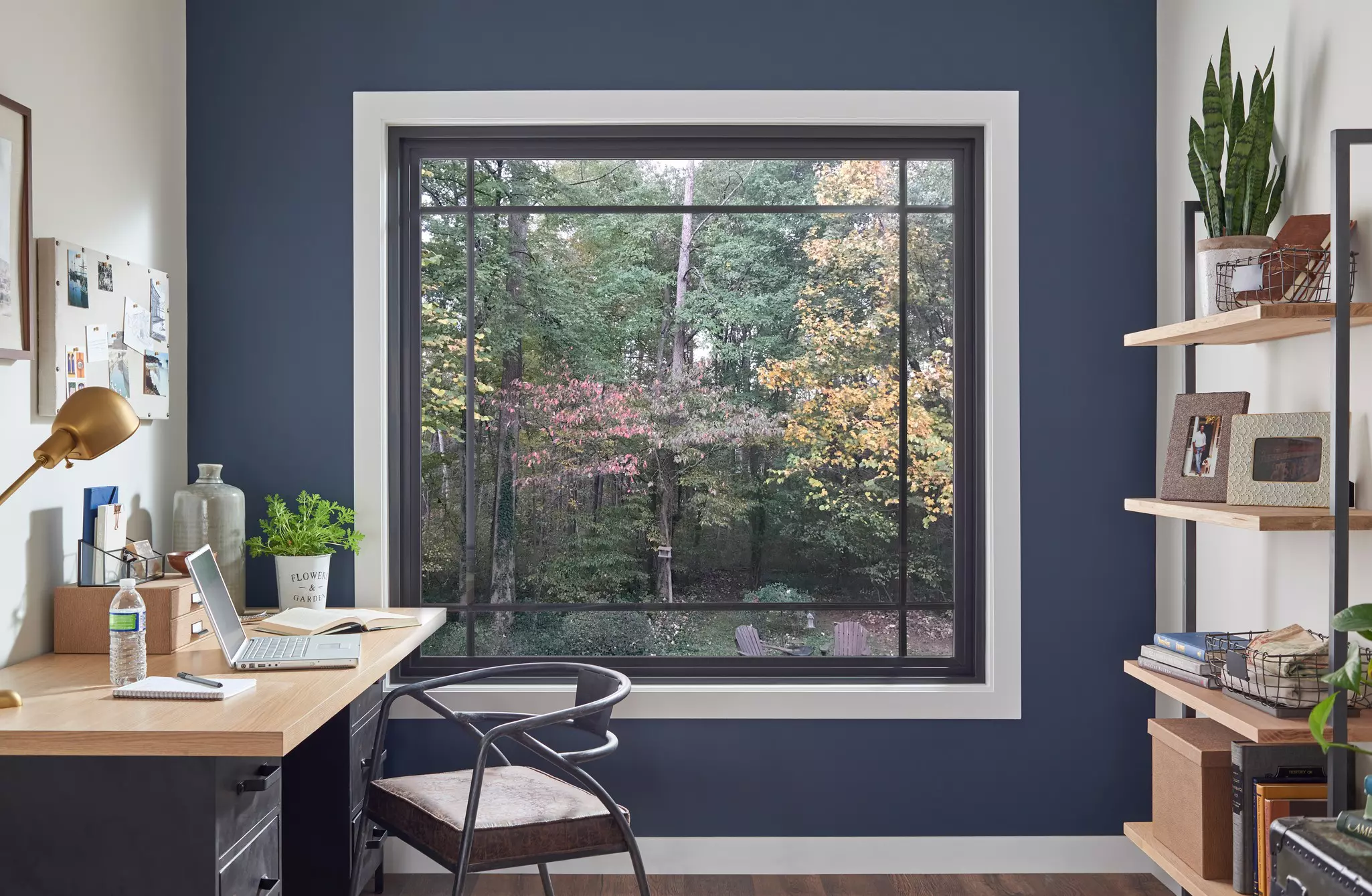
Picture windows are fixed – they don’t open at all. They’re designed purely to frame a view, flood a room with natural light, and create a clean, unobstructed visual connection to the outdoors. As for how they stack up:
- Without any operating hardware, sash mechanisms, or weatherstripping wear points, picture windows are among the most energy-efficient and lowest-maintenance options available.
- The trade-off, of course, is ventilation. A picture window brings all the light and views you could want but none of the fresh air.
- In living rooms, great rooms, and any space where you want to showcase a view, picture windows are hard to beat.
- Where ventilation matters, casement wins outright.
Awning windows vs. casement windows
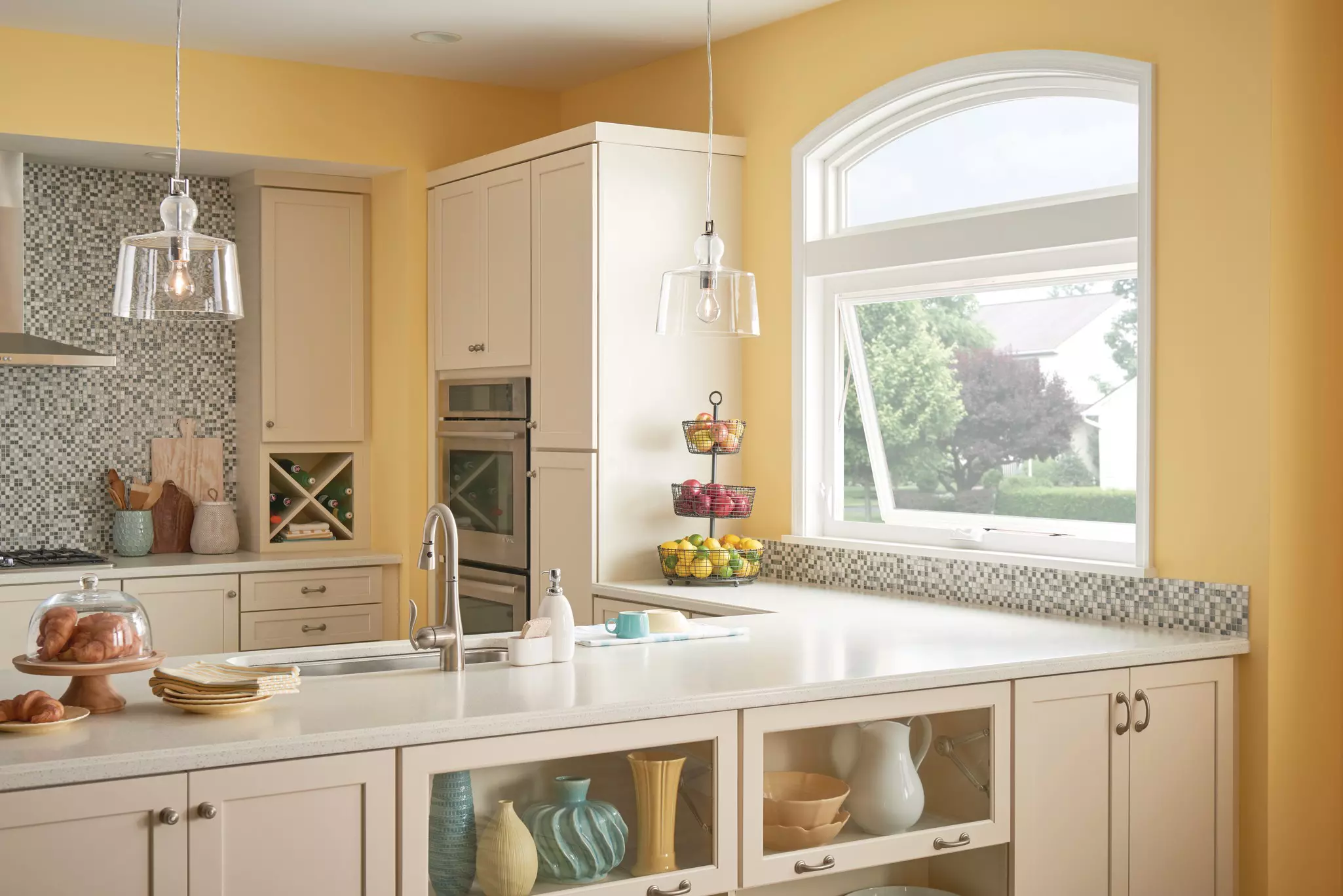
Awning windows are casement windows’ close cousin. They operate on the same crank-and-hinge principle, but with one key difference: Awning windows are hinged at the top rather than the side, and they swing outward from the bottom. This creates an awning-like overhang when open, which is where the name comes from.
- That top-hinged design gives awning windows a practical advantage that casement windows don’t share: They can remain open during light rain without letting water into the home. The outward-angled sash deflects raindrops away from the opening, making awning windows a great choice for climates – like the Gulf Coast’s – where afternoon showers can arrive without much warning.
- Both styles offer excellent energy efficiency and strong ventilation, and they’re often used together in the same installation. One common pairing places a fixed picture window in the center with awning or casement windows on either side or below, combining maximum light with practical airflow.
- The choice between awning and casement often comes down to placement: awning windows work especially well in bathrooms, basements, and any space where you want ventilation without worrying about the weather.
Where should you use casement windows in your home?
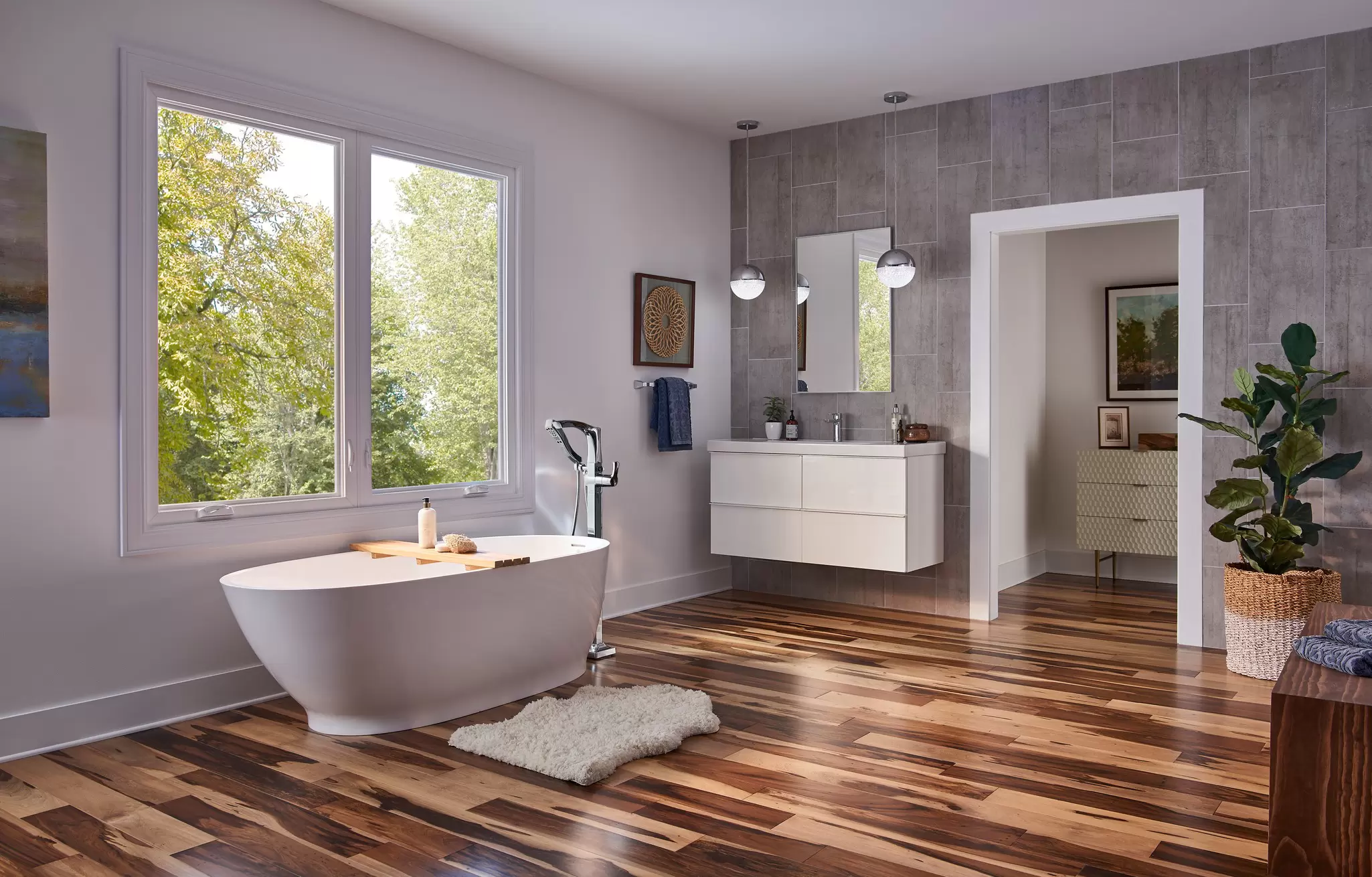
Understanding how casement windows compare to other styles is useful, but knowing where to put them is where the real decision-making happens. Casement windows aren’t the right fit for every opening, but for certain spots in the home, they’re the ideal choice. Here are a few examples:
- Above counters and sinks. The crank handle operation that defines casement windows is a genuine advantage in spots where reaching across a surface to push up a sash simply isn’t practical. The kitchen sink is the classic example – a casement window above the sink can be opened with a single turn of the crank without requiring you to lean over the counter or dishwasher. The same logic applies to bathroom vanities or laundry areas.
- Rooms where ventilation is a priority. Bedrooms, home offices, and living spaces that you want to keep naturally cool and fresh are great candidates for casement windows. Their full-sash opening and directional airflow make them the most ventilation-efficient operable window style available.
- Openings that are taller than they are wide. Casement windows are naturally proportioned for tall, narrow openings, which are a common feature in traditional, craftsman, and cottage-style homes in southern Alabama. If your home has these kinds of openings, casement windows fit both aesthetically and functionally.
- Paired with picture windows. Casement windows work beautifully alongside these fixed windows since the combination gives you an expansive, light-filled wall of glass while still providing the ventilation and fresh air that a picture window alone can’t deliver.
- Hard-to-reach locations. Any window that’s difficult to access – whether it’s high on a wall, tucked behind furniture, or in a tight corner – benefits from the crank mechanism that casement windows offer. A few turns of the handle open the window fully without the awkward reaching required by other styles.
How do casement windows compare on cost?

Cost is a practical consideration for any window replacement project, and casement windows do typically carry a higher price than some of the alternatives – particularly single-hung and double-hung windows. The difference comes down to the added complexity of the casement’s operating mechanism: the hinge system, crank hardware, and multi-point locking system all add to the manufacturing cost compared to a simpler sliding or single-hung window.
On average, casement windows tend to cost somewhat more per window than double-hung windows of comparable size and quality (usually anywhere between $400 and $2,400 per window). The exact difference varies depending on the brand, frame material, and glass package you choose.
That said, the higher upfront cost of casement windows comes with real performance benefits that justify the investment in the right situations. For instance:
- Their tighter seal translates to better energy efficiency, which means lower energy bills over time
- Their full-sash ventilation reduces reliance on air conditioning during mild Gulf Coast weather
- Their clean, contemporary appearance adds curb appeal and resale value
The smartest approach for most area homeowners isn’t to choose one window style for the entire house, but to match the right style to each opening. Using double-hung or single-hung windows where they’re perfectly adequate – and investing in casement windows where their ventilation, energy efficiency, or crank operation delivers a real advantage – gives you the best overall value across the project.
Find the right window style with Window World of Gulf Coast
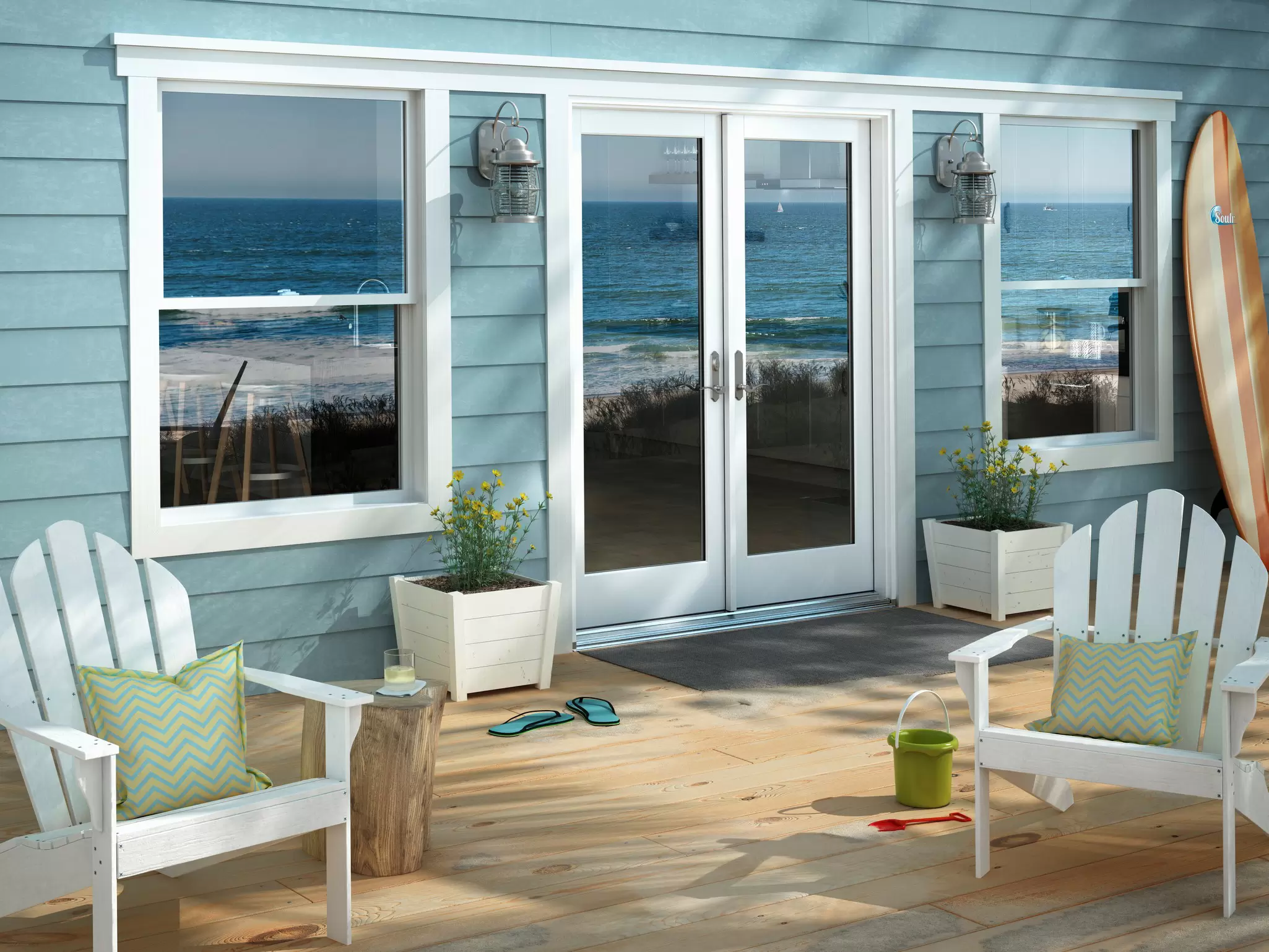
With so many window styles to choose from, finding the right fit for every room in your home is easier with an experienced local team in your corner. At Window World of Gulf Coast, we carry a full range of window styles – casement, double-hung, sliding, picture, awning, and more – so you’re never limited to a one-size-fits-all solution.
Our design consultants will help you think through the best option for each opening in your home, balancing ventilation, natural light, energy efficiency, and budget to put together a replacement plan that makes sense for how you actually live. And with professional installation backed by industry-leading warranties, you can count on your new windows to perform beautifully for years to come.
Ready to explore your options? Contact Window World of Gulf Coast today to schedule your free in-home consultation and find the perfect window style for every room in your home.
Ever woken up to find your windows covered in water droplets? Or noticed your windows sweating on a hot summer day? Window condensation is one of those frustrating problems that seems to appear out of nowhere, leaving you wondering what’s wrong with your windows (or your home overall).
Luckily, window condensation is usually not a sign of a serious structural problem. But it can point to issues with humidity levels, air circulation, or the condition of your windows themselves. Left unchecked, persistent condensation can lead to mold growth, damaged window frames, and reduced energy efficiency.
Understanding why condensation forms on your windows – and when it’s a normal occurrence versus a red flag – can help you take the right steps to fix it. Whether you’re dealing with foggy windows in winter, sweating glass in summer, or moisture trapped between window panes, this guide will walk you through the causes, potential problems, and window replacement solutions to stop condensation for good.
Understanding the different types of window condensation
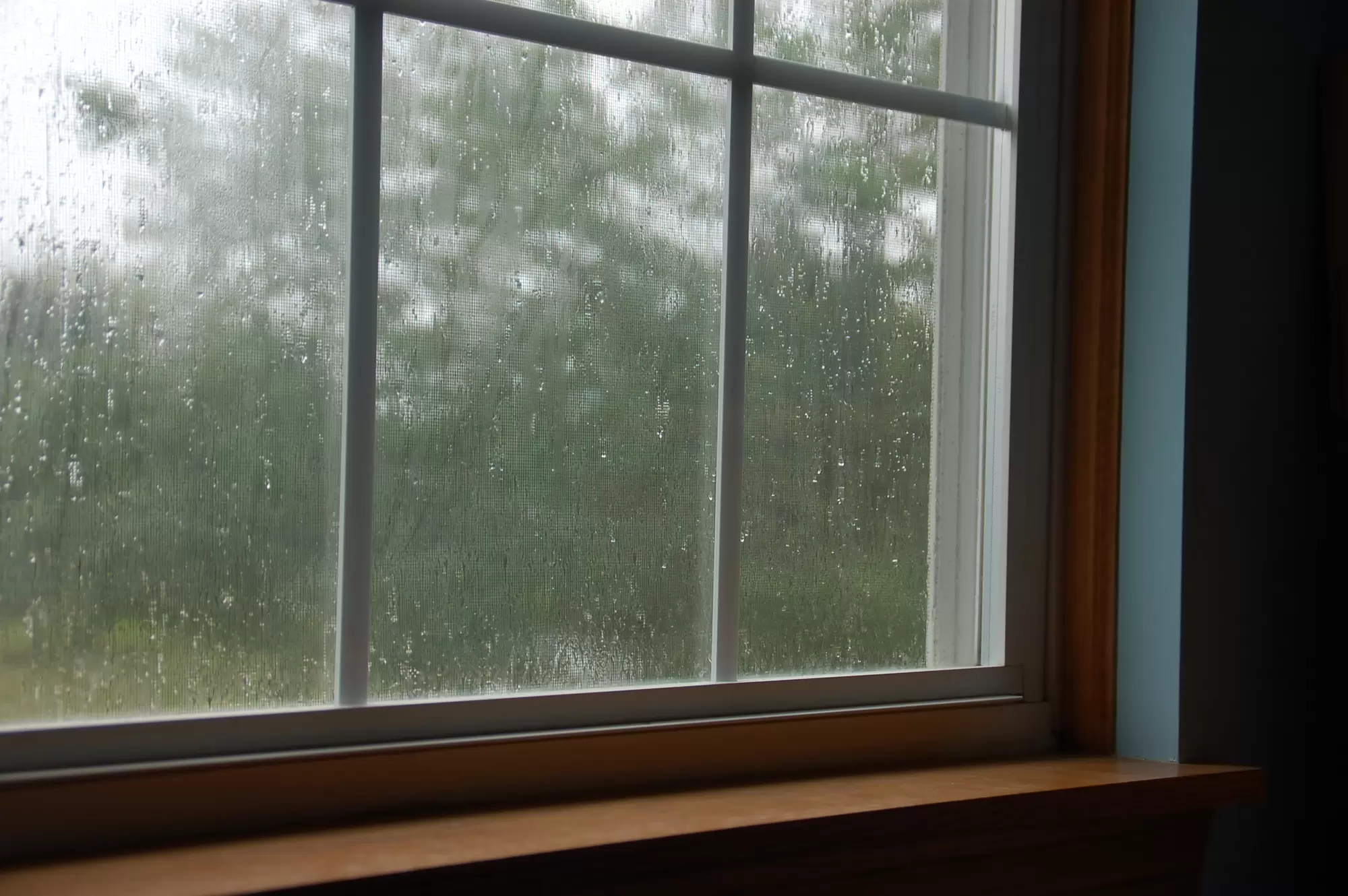
Not all window condensation is the same. Where the moisture appears – inside, outside, or between the glass – tells you a lot about what’s causing it and whether you need to take action.
Causes of interior window condensation (inside the glass)
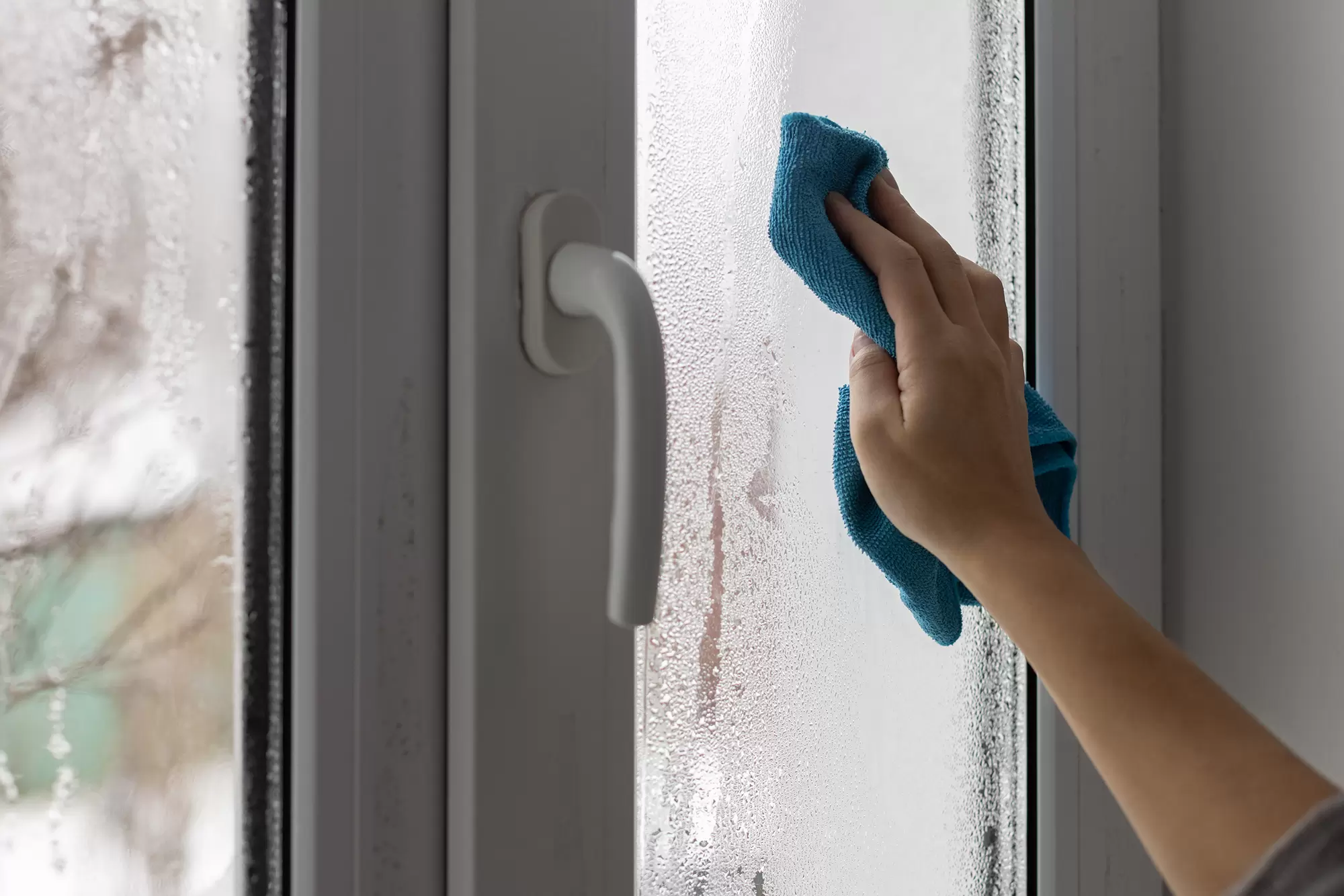
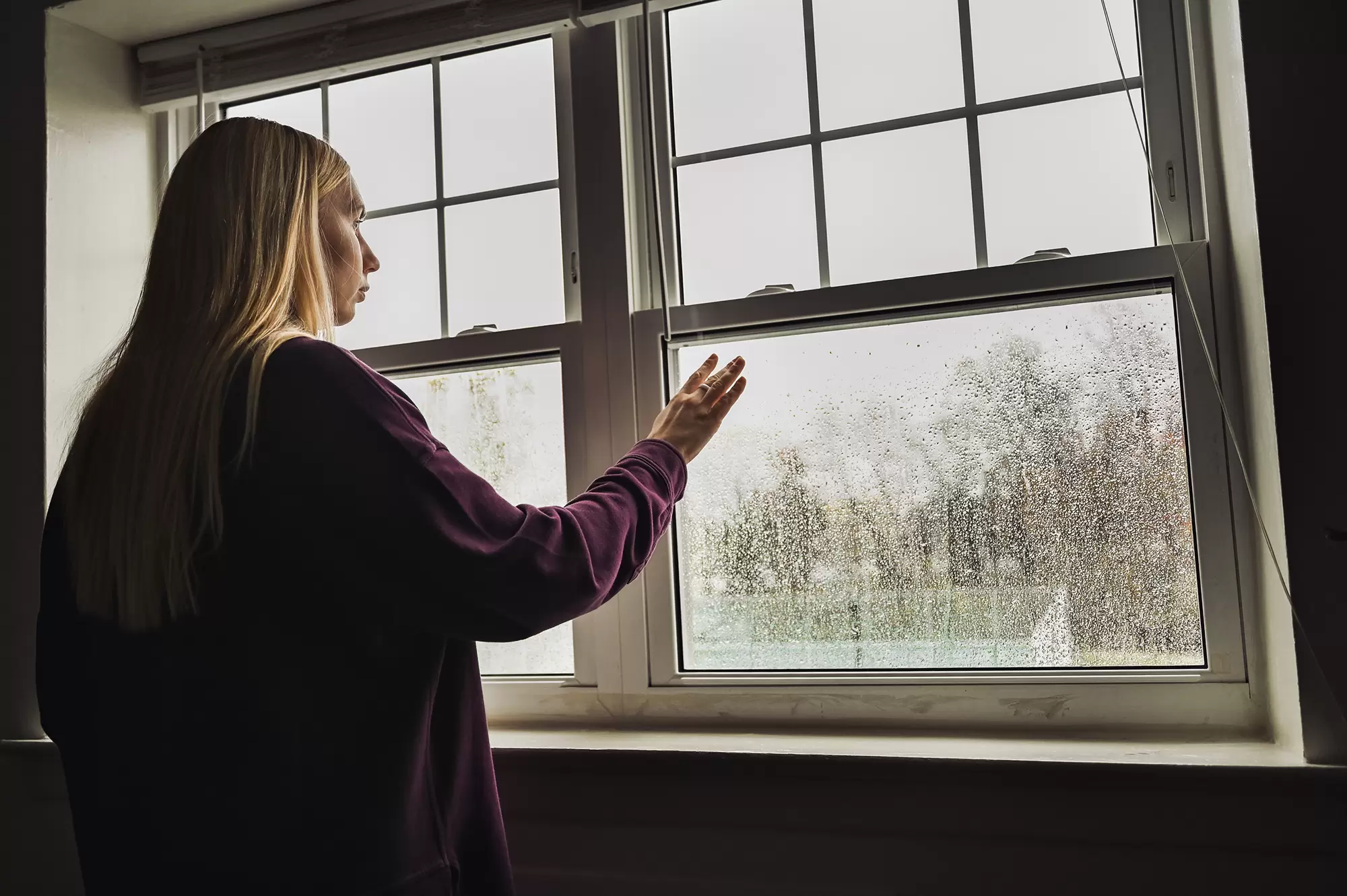
Interior condensation appears on the inside surface of your window glass, usually as water droplets or fog. This is the most common type of condensation and happens when warm, humid air inside your home comes into contact with the cold window glass. The moisture in the air cools down and turns into water droplets – just like what happens when you breathe on a cold mirror.
Interior condensation is especially common in winter months when the temperature difference between your warm indoor air and the cold outdoor air is significant. It’s often more noticeable in bathrooms, kitchens, and other areas with high humidity levels. While a little interior condensation on cold days is normal, persistent or excessive moisture can indicate high indoor humidity or poor air circulation.
Causes of exterior condensation on windows (outside the glass)
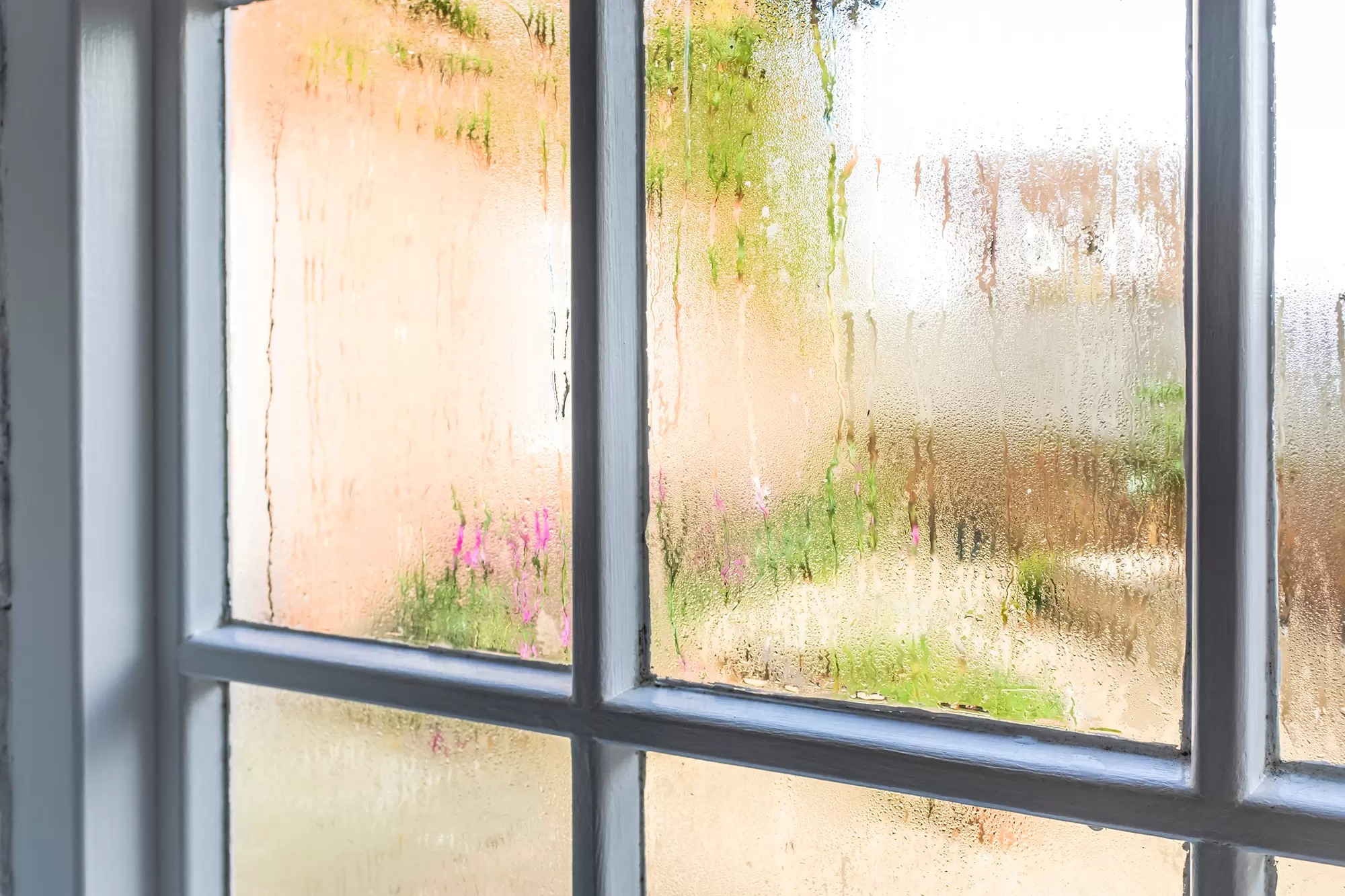
Exterior condensation forms on the outside of your window glass and is most common in spring and summer months, especially early in the morning. This happens when the outdoor air is warm and humid, but the window glass is cooler, often because your air conditioning has cooled the glass surface overnight.
Exterior condensation is actually a sign that your windows are doing their job. It means your windows are energy-efficient enough to keep the indoor cool air from transferring to the outside. This type of condensation typically disappears as the sun warms the glass, and it’s not (generally) a cause for concern.
Causes of condensation between window panes
Condensation between the panes of a double- or triple-pane window is a different story. If you see fog or moisture trapped inside the glass that you can’t wipe away, it means the seal between the panes has failed. This type of condensation indicates a broken window that’s no longer providing proper insulation.
When the seal fails, moisture gets trapped between the glass layers, and there’s no way to remove it without replacing the window. Windows with failed seals lose their insulating value, which can drive up your energy bills and make your home less comfortable. If you’re seeing condensation between window panes, it’s time to consider getting a replacement window installed.
Why are my windows sweating?
Ready for a closer look at what’s really causing all that window moisture? Here are the most common culprits, plus how seasonal changes affect condensation.
High indoor humidity levels

The number one cause of interior window condensation is high humidity in your home. Indoor humidity levels should typically stay between 30–50%. When humidity climbs higher – especially in winter when homes are sealed up tight – excess water vapor in the air has nowhere to go. It condenses on the coldest surfaces it can find, which are usually your windows.
Common sources of indoor humidity include:
- Cooking
- Showering
- Laundry
- Houseplants
- Even breathing!
In tightly sealed, energy-efficient homes, humidity can build up quickly if there’s not enough ventilation. Activities like boiling water, running hot showers, or using a humidifier can push indoor humidity levels even higher.
Poor air circulation
Stagnant air traps moisture near your windows, making condensation worse. When warm, humid air sits against cold window glass without moving, it cools down and releases its moisture. This is why you often see more condensation on windows in rooms with poor airflow, like bedrooms or bathrooms without exhaust fans.
Seal failure in older windows
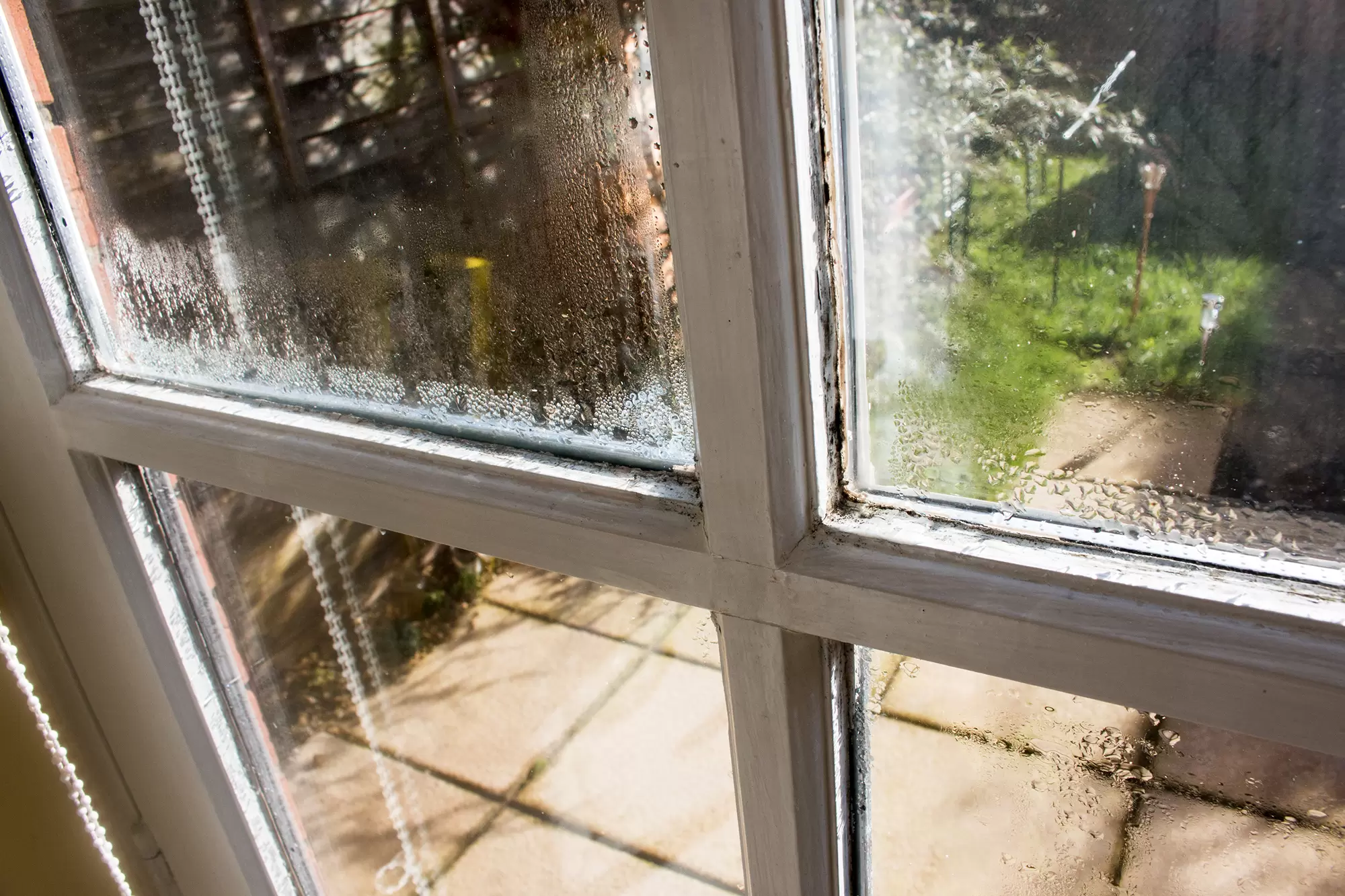
If you have older windows, especially double-pane windows that are 15–20 years old or more, seal failure could occur at any time. The seals that keep the gas fill (like argon) between the panes can deteriorate over time due to temperature fluctuations, UV exposure, and normal wear and tear.
Once the seal fails, the insulating gas escapes, and moisture gets trapped between the panes. This type of condensation can’t be fixed with a dehumidifier or better ventilation; instead, it requires window replacement to restore the window’s energy efficiency and appearance.
Window condensation in winter
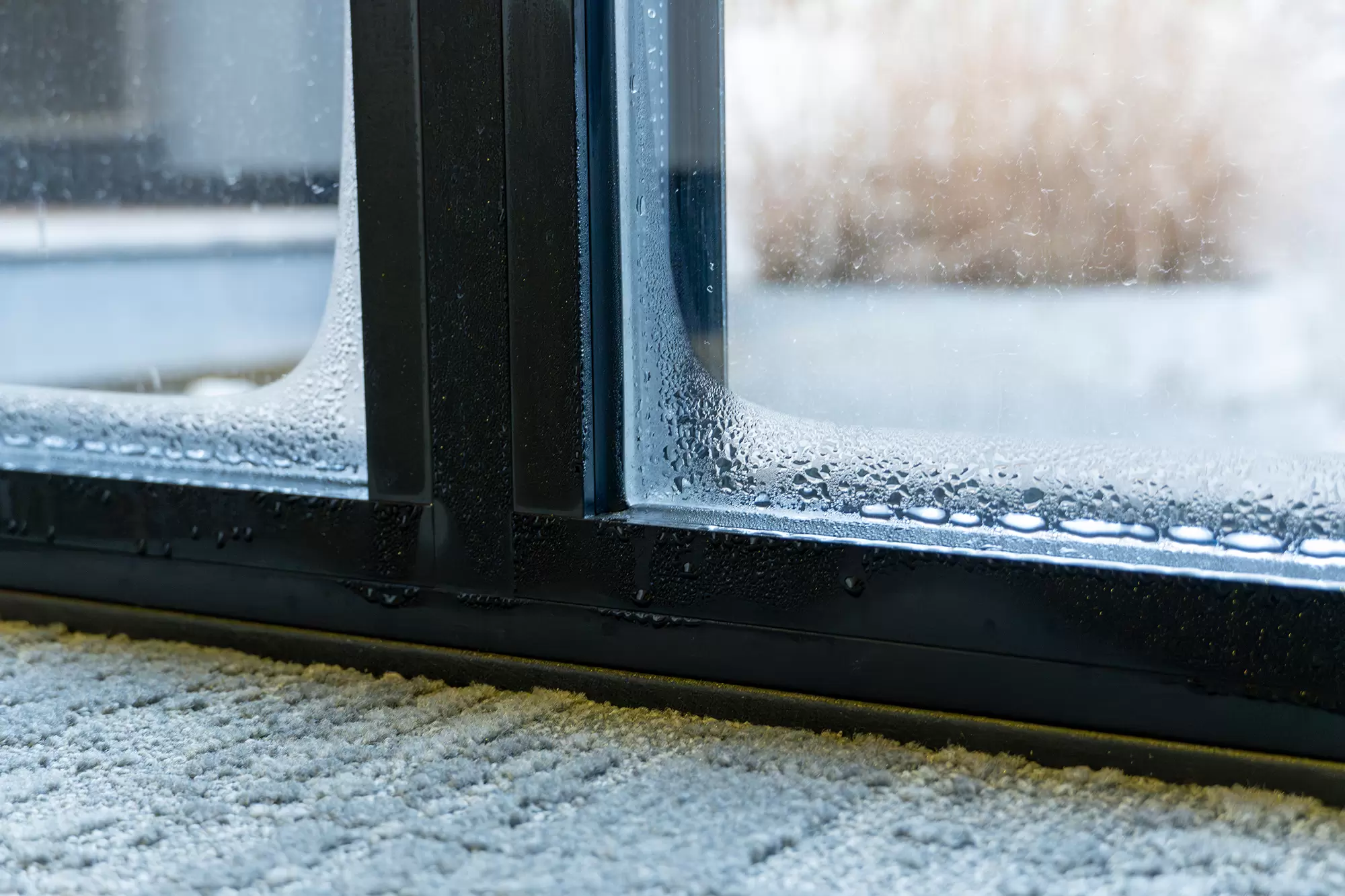
Winter is peak season for window condensation. When outdoor temperatures drop, your window glass gets cold – sometimes very cold. Inside, your home is warm and often more humid than usual because windows and doors are closed tight to keep the heat in. This combination creates the perfect conditions for condensation.
You might notice condensation forming overnight and disappearing as the day warms up, or you might see persistent moisture that lingers on north-facing windows that never get direct sun. Rooms with poor insulation, older single-pane windows, or high humidity levels (like bathrooms and kitchens) are especially prone to winter condensation.
Window condensation in summer
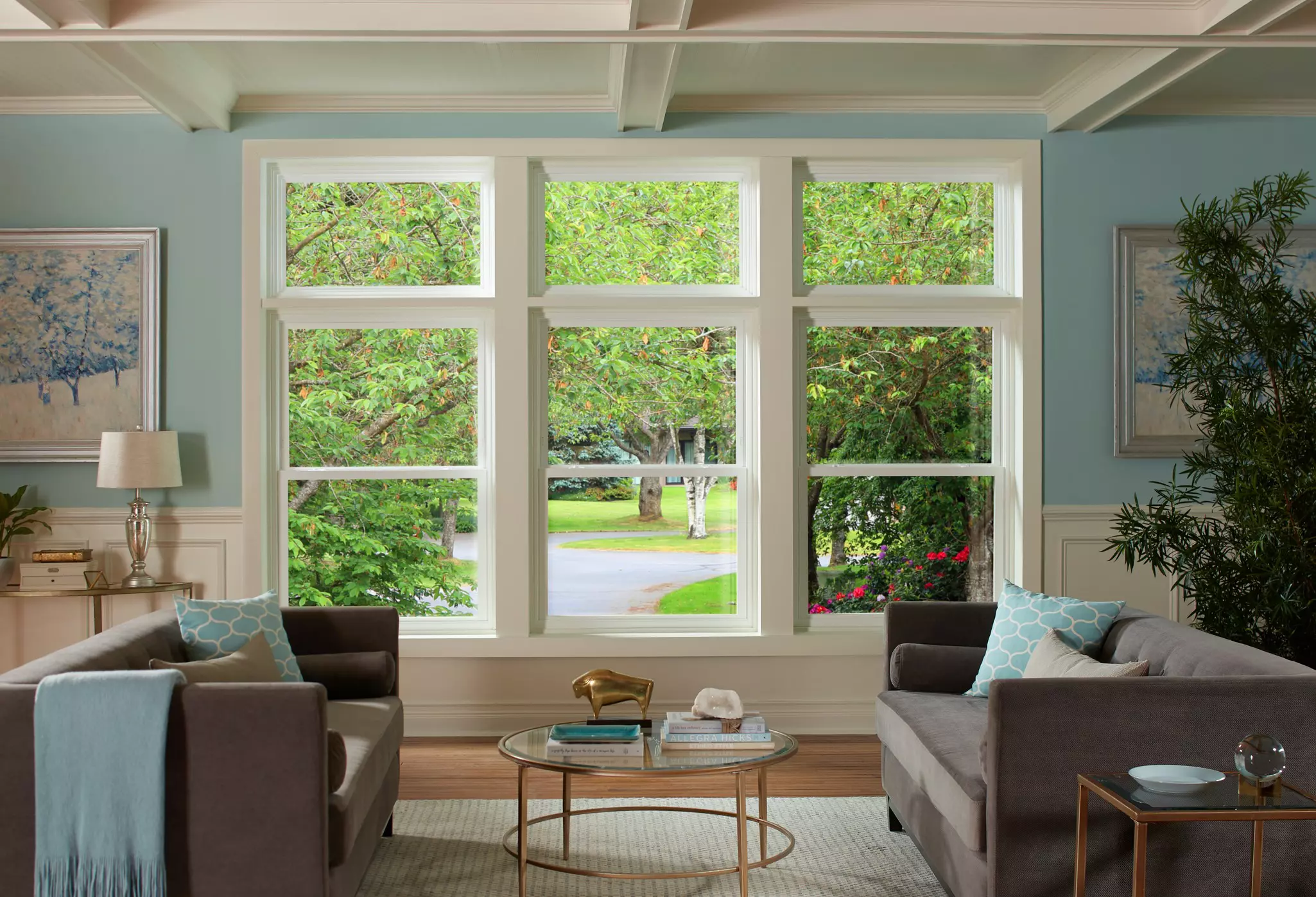
Summer condensation looks different and happens for different reasons. In summer months, especially in humid climates like the Gulf Coast, you might wake up to find the outside of your windows covered in dew. This exterior condensation happens when warm, humid air meets the cool glass surface that’s been chilled by your air conditioning overnight.
This type of condensation is actually a good sign since it means your windows are energy-efficient; they’re keeping the cool air inside where it belongs. As the sun comes up and warms the glass, the condensation evaporates. It’s essentially the same phenomenon as dew on your grass, and it’s nothing to worry about.
However, if you’re seeing interior condensation in summer – water droplets on the inside of your windows – that’s a sign your indoor humidity is too high. This can happen if you’re running a humidifier (which you shouldn’t need in summer), if your air conditioning isn’t removing enough moisture from the air, or if you have poor ventilation in humid areas like bathrooms.
How to stop condensation from fogging up windows

The good news is that most condensation problems can be solved with a combination of humidity control, better air circulation, and – when necessary – window upgrades. Here’s what you can do.
Reduce indoor humidity levels
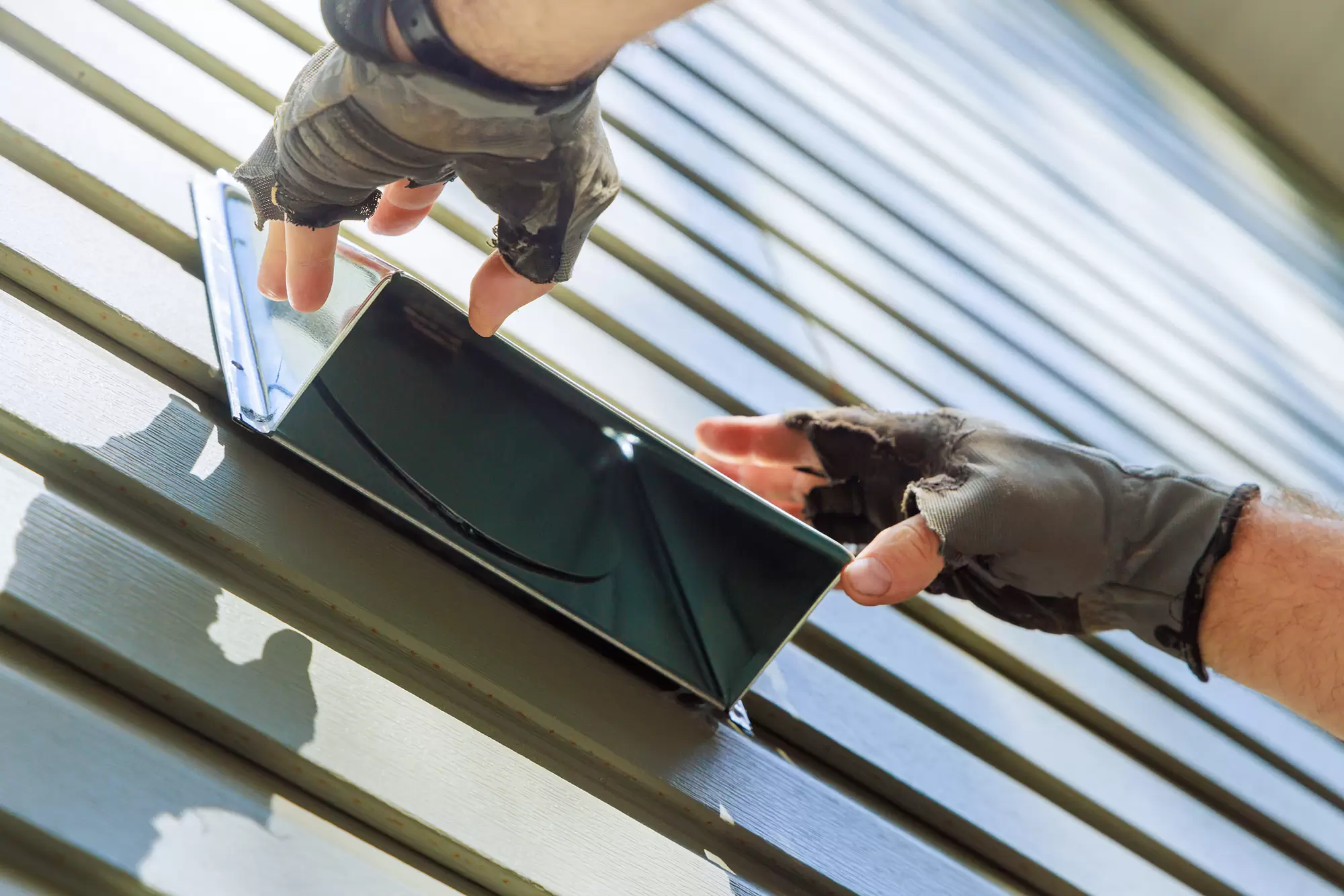
The most effective way to stop condensation on windows in winter (and year-round, for that matter) is to lower your indoor humidity. Aim for 30–50% relative humidity. You can measure this with an inexpensive hygrometer from any hardware store.
To reduce humidity:
- Use exhaust fans in bathrooms and kitchens whenever you shower or cook
- Run your dryer vent to the outside, not into your home
- Avoid overusing humidifiers
- If you have a lot of houseplants, consider moving some to less humid rooms
You can also open windows slightly for short periods (even in winter) to let humid air escape and bring in fresh, drier air.
Improve air circulation
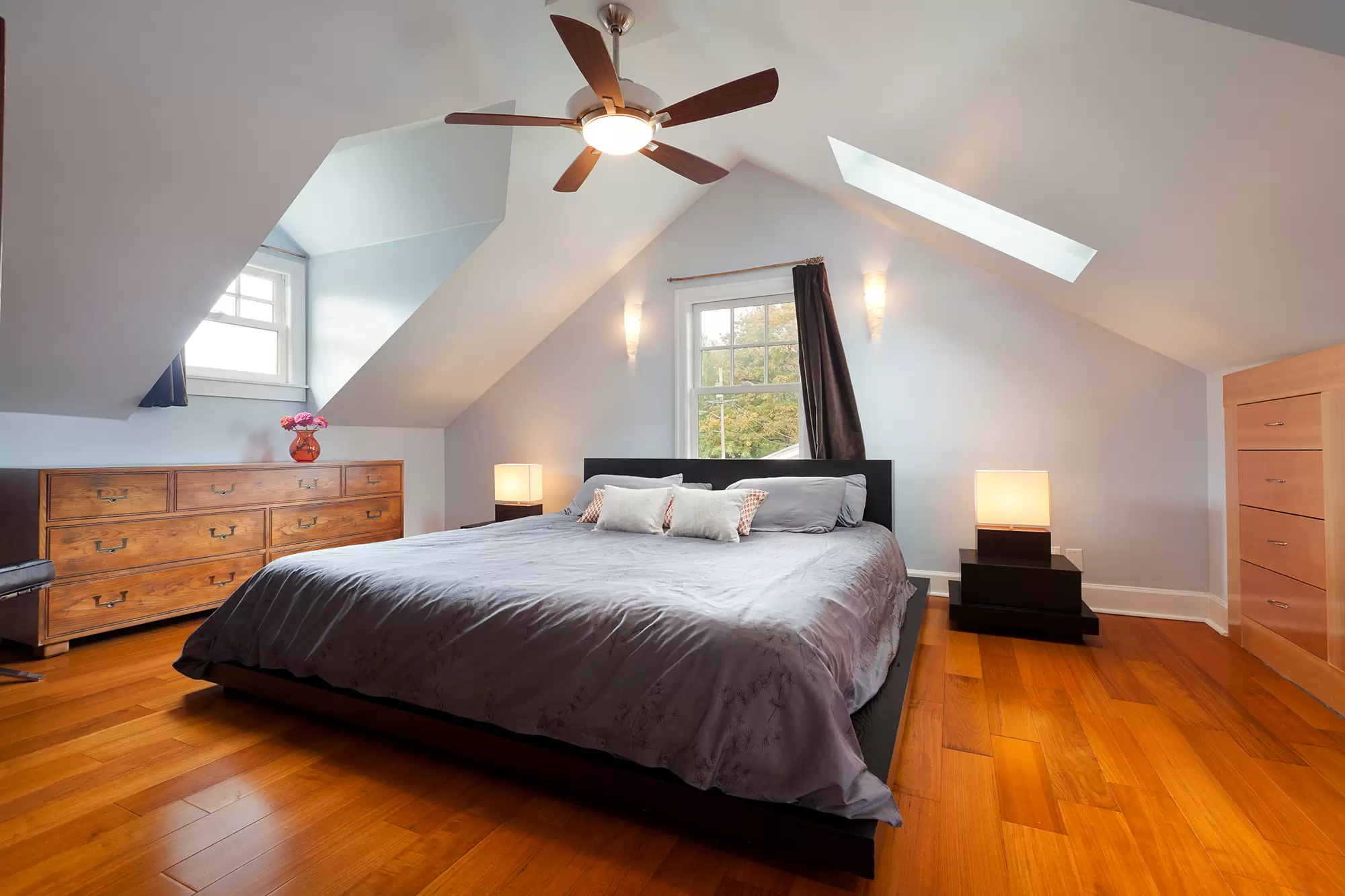
Better airflow helps prevent moist air from settling on cold window glass. To improve airflow:
- Keep interior doors open to allow air to circulate throughout your home
- Run ceiling fans on low, even in winter (reverse the direction so they push warm air down)
- Make sure your HVAC system is running properly and that vents aren’t blocked by furniture or curtains
If certain windows are prone to condensation, consider moving furniture or drapes away from them to improve airflow. Even small changes in air circulation can make a noticeable difference.
Use dehumidifiers in problem areas
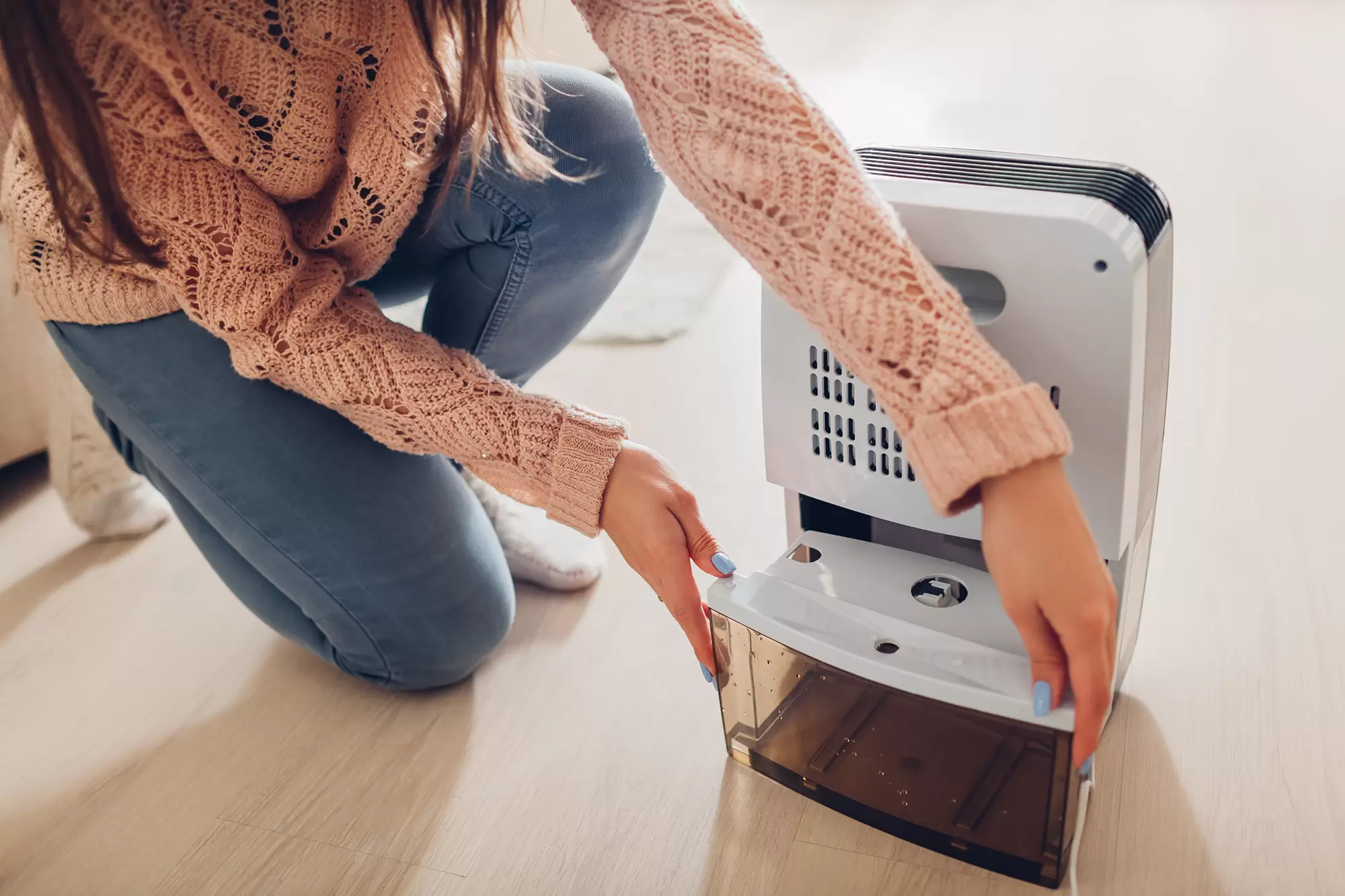
If certain rooms – like basements, bathrooms, or laundries – have persistent condensation issues, a dehumidifier can help. Dehumidifiers pull excess moisture from the air, keeping humidity levels in check and reducing the amount of water vapor that condenses on your windows.
Portable dehumidifiers work well for single rooms, while whole-home dehumidifiers can be integrated with your HVAC system for comprehensive humidity control. In our humid climate, a dehumidifier can be particularly helpful during the summer months when outdoor humidity is high.
Address seal failure with window replacement
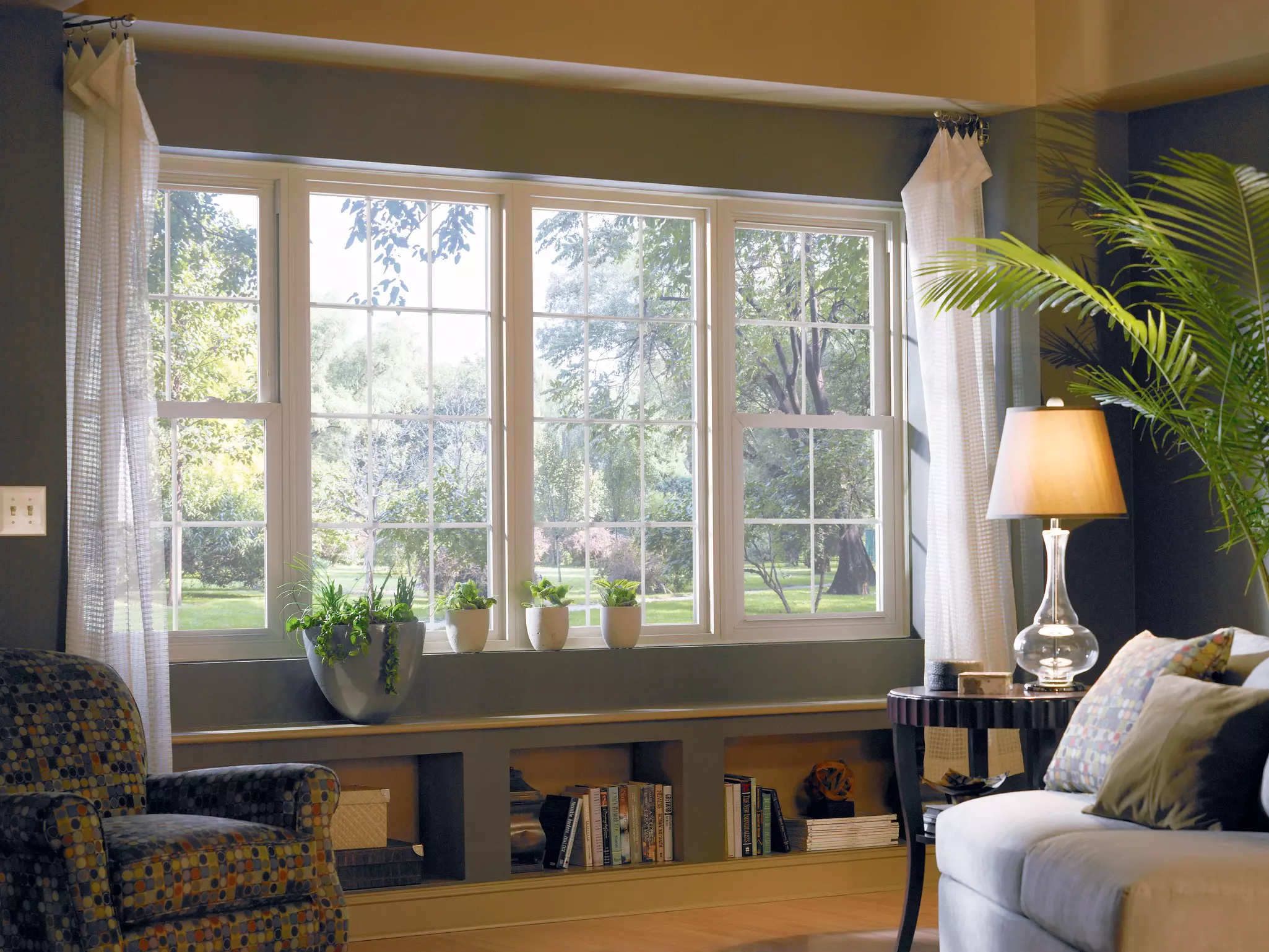
If you’re seeing condensation between window panes, none of the above solutions will help. Seal failure means your window is no longer insulating properly, and the only real fix is window replacement. Trying to live with foggy, moisture-filled windows not only looks bad – it also costs you money in wasted energy and reduces your home’s comfort.
Replacing failed windows with modern, energy-efficient options eliminates the condensation problem and delivers better insulation, lower energy bills, and improved comfort. If your windows are old, drafty, or showing signs of seal failure, replacement is the most cost-effective long-term solution.
When to replace your windows: signs it’s time for an upgrade
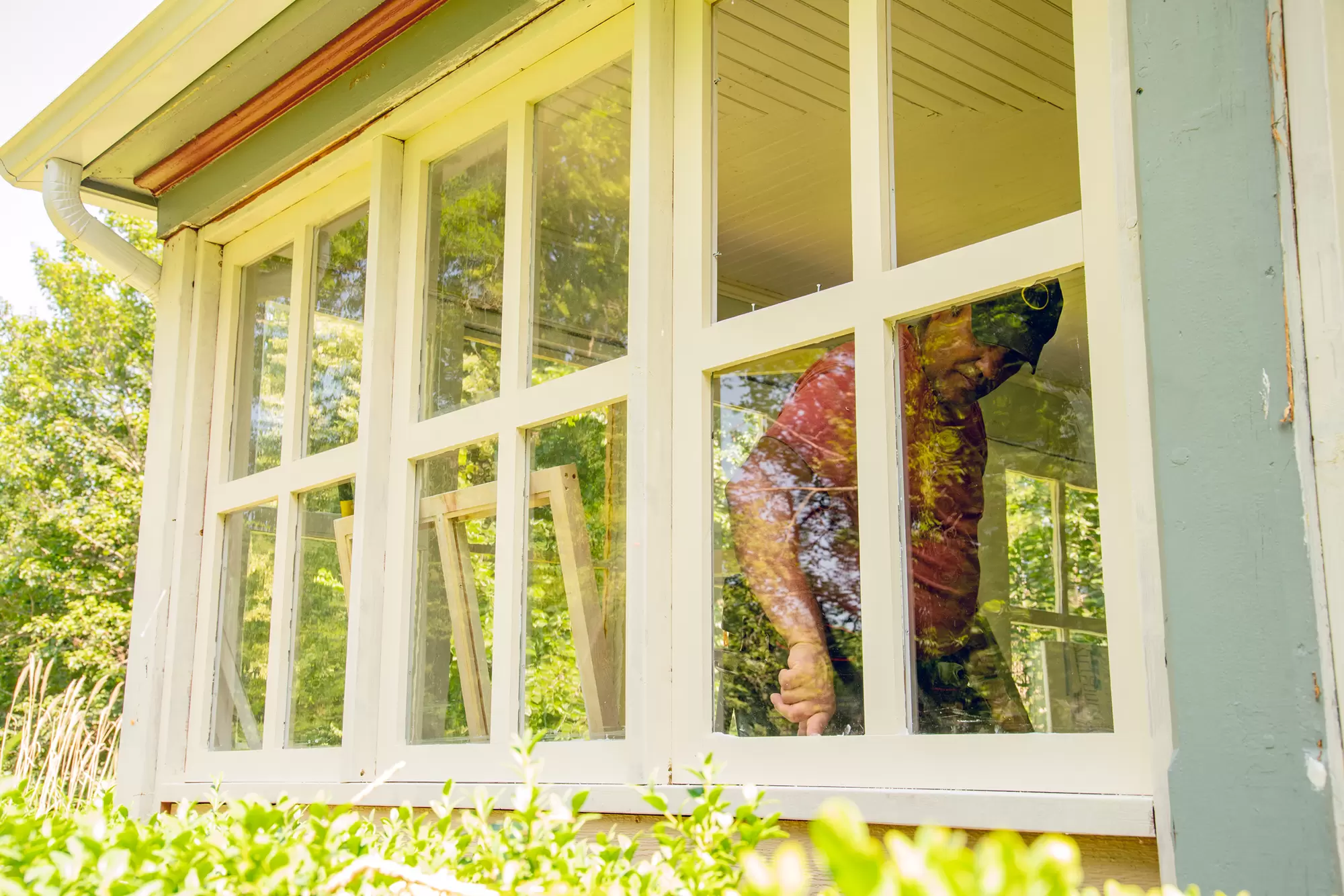
Sometimes condensation is a symptom of a bigger problem: old, failing windows that can’t perform the way modern windows do. Here are signs that it’s time to upgrade to energy-efficient windows that solve condensation for good:
- Condensation between window panes – This is a clear sign of seal failure and can’t be fixed without replacing the window.
- Persistent interior condensation despite low humidity – If you’ve controlled humidity and improved airflow but still see constant condensation, your windows aren’t insulating properly.
- High energy bills – Old windows with poor insulation let heat escape in winter and enter in summer, forcing your HVAC system to work harder.
- Drafts and cold spots – If your windows feel cold to the touch or you notice drafts, they’re not keeping outdoor air where it belongs.
- Windows are 15–20+ years old – Older windows, especially single-pane or early double-pane models, simply don’t perform as well as modern energy-efficient windows.
Replacing old windows with high-quality, energy-efficient options solves condensation problems at the source while also improving comfort, reducing energy costs, and enhancing your home’s value.
Stop window condensation with Window World of Gulf Coast
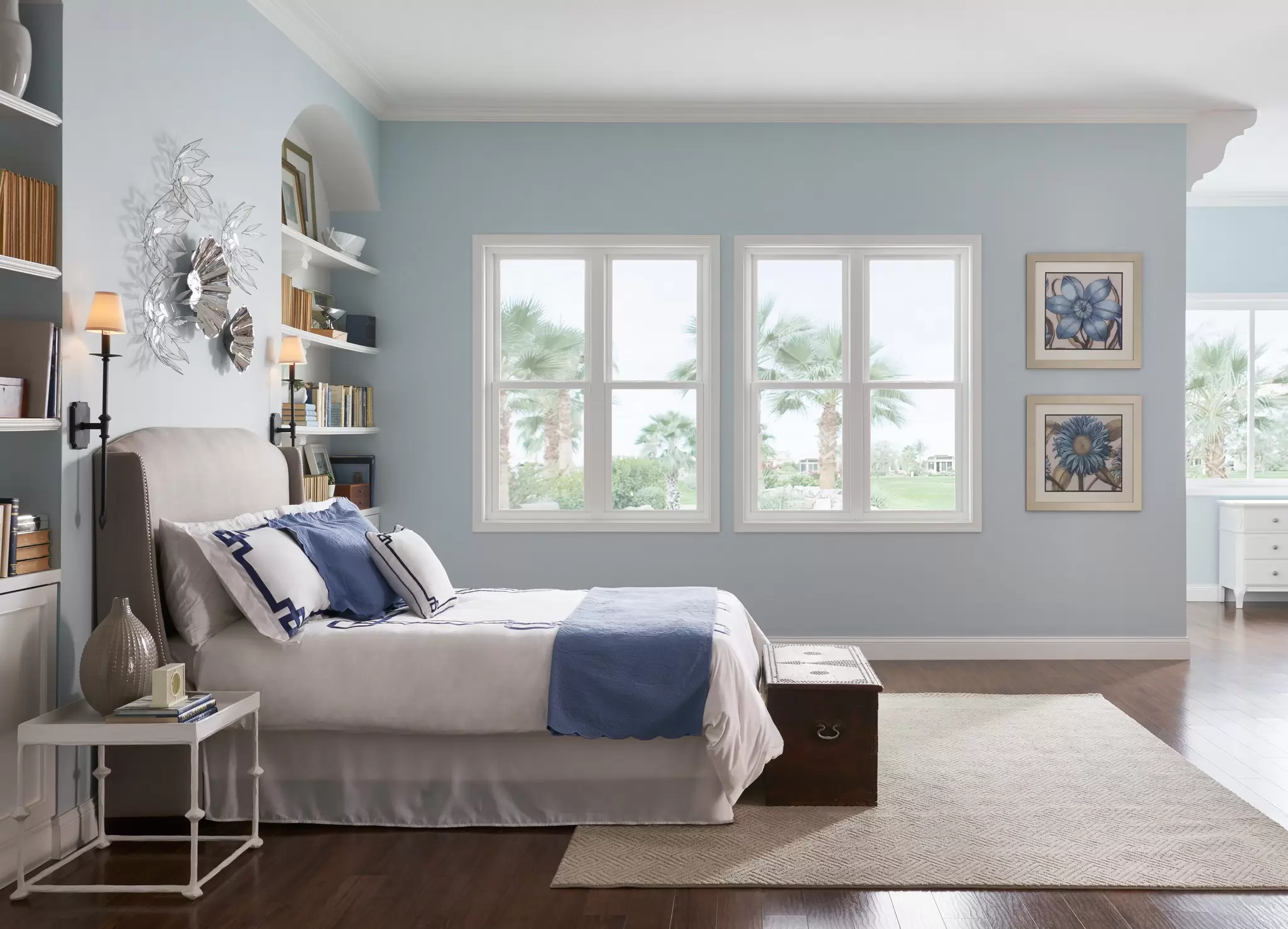
If you’re tired of dealing with foggy, sweating windows – or if you’ve noticed condensation between your window panes – it might be time to upgrade. At Window World of Gulf Coast, we specialize in energy-efficient windows designed to perform beautifully in our humid coastal climate.
Our windows feature advanced insulating glass, Low-E coatings, and quality seals that resist moisture and temperature extremes. We also offer flexible financing options to make window replacement affordable, with convenient monthly payments that fit your budget. And with our comprehensive warranties, you can trust that your investment is protected for years to come.
Ready to say goodbye to window condensation for good? Call Window World of Gulf Coast today at (251) 665-4646 to schedule your free consultation or request a quote online. Let us help you choose the perfect energy-efficient windows to keep your home comfortable, dry, and beautiful all year long.
If you’re planning to sell your home, you’ve probably made a mental list of all the projects you need to tackle first. Fresh paint, landscaping, maybe new light fixtures – the list can feel endless.
There’s another big question you might be stuck on: Should you replace the windows before selling your house, too? Window replacement isn’t a small project, and it’s natural to wonder if the investment will actually pay off when you’re about to hand the keys to someone else. Will new windows increase your home’s value enough to justify the cost? Will buyers even notice? And if they do, will it make your home sell faster or for more money?
The short answer is yes – replacing windows before selling can be one of the smartest home improvement projects you tackle. But like any investment, it depends on your situation, your timeline, and the condition of your current windows. Let’s break down the return on investment, what buyers are looking for, and when window replacement makes the most sense for area homeowners preparing to sell.
What is the resale value of new windows?
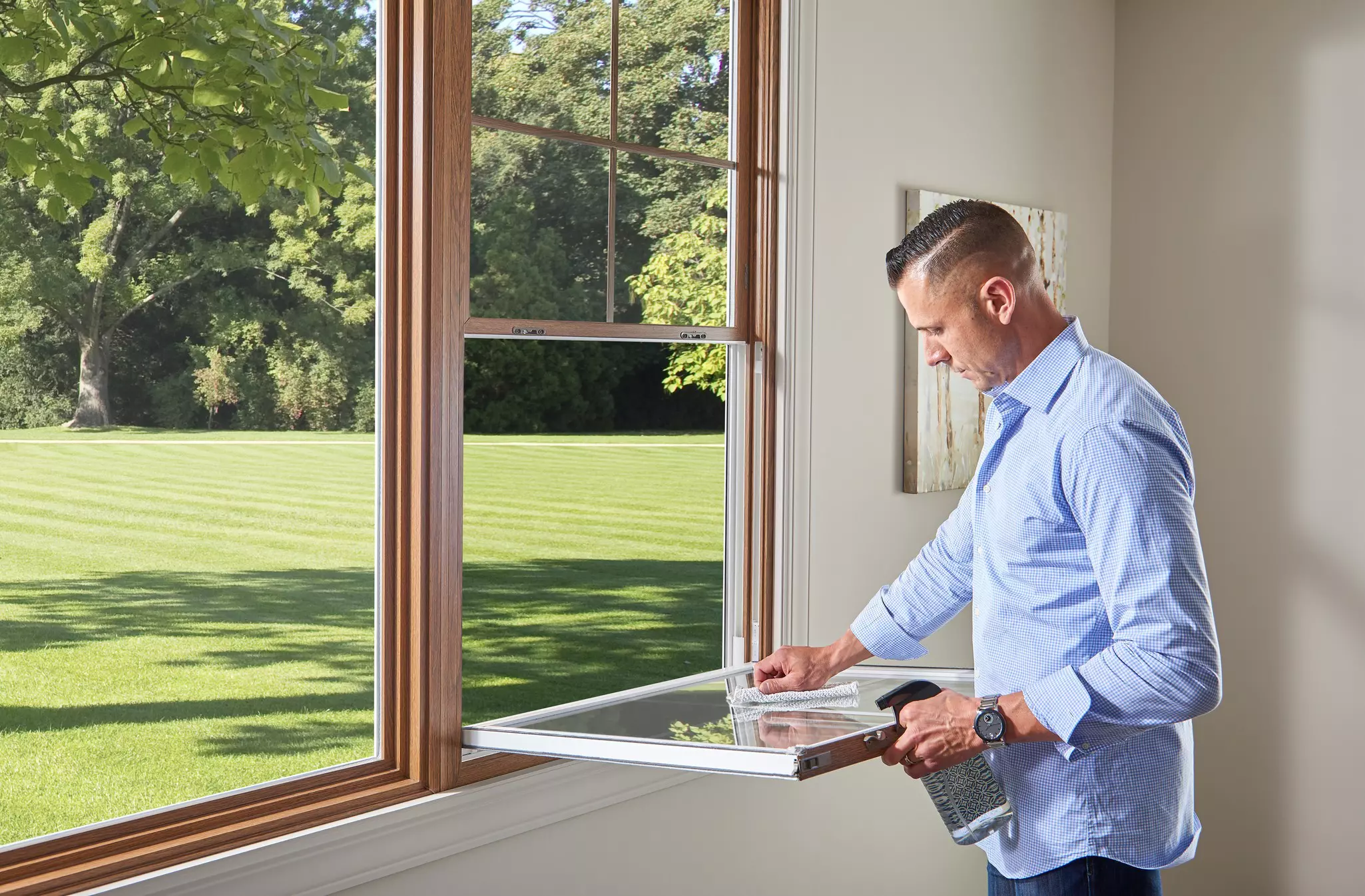
When you’re investing in home improvements before a sale, ROI – return on investment – is everything. You want to spend money on projects that will actually increase your home’s value and appeal to potential buyers, not just drain your budget without adding much in return.
The good news is that window replacement consistently ranks as one of the top home improvement projects for ROI. In fact, vinyl window replacement recoups an average of 69% of its cost at resale nationally, with some markets seeing even higher returns. In regions where energy efficiency and storm protection matter – like along the Gulf Coast – that number can be even more impressive.
All in all, the ROI of replacing windows before selling your home could be a wise choice, especially if you work with the right exterior remodeling team.
How new windows increase home value and buyer appeal
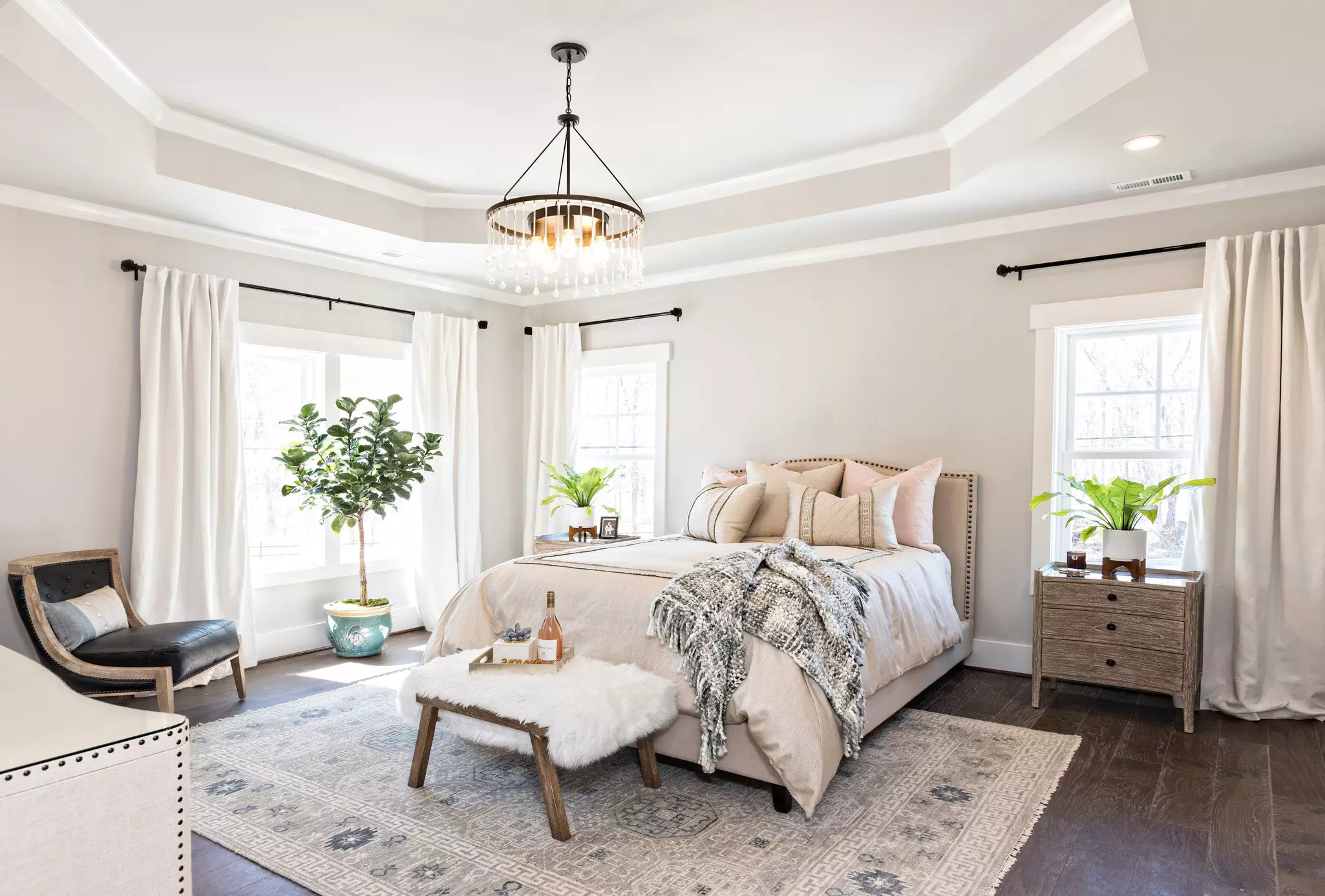
New windows do more than just look nice. They send a confident message to potential buyers about the quality and condition of your home. Here’s a deeper dive into how replacement windows boost both value and appeal.
Improved curb appeal makes a strong first impression
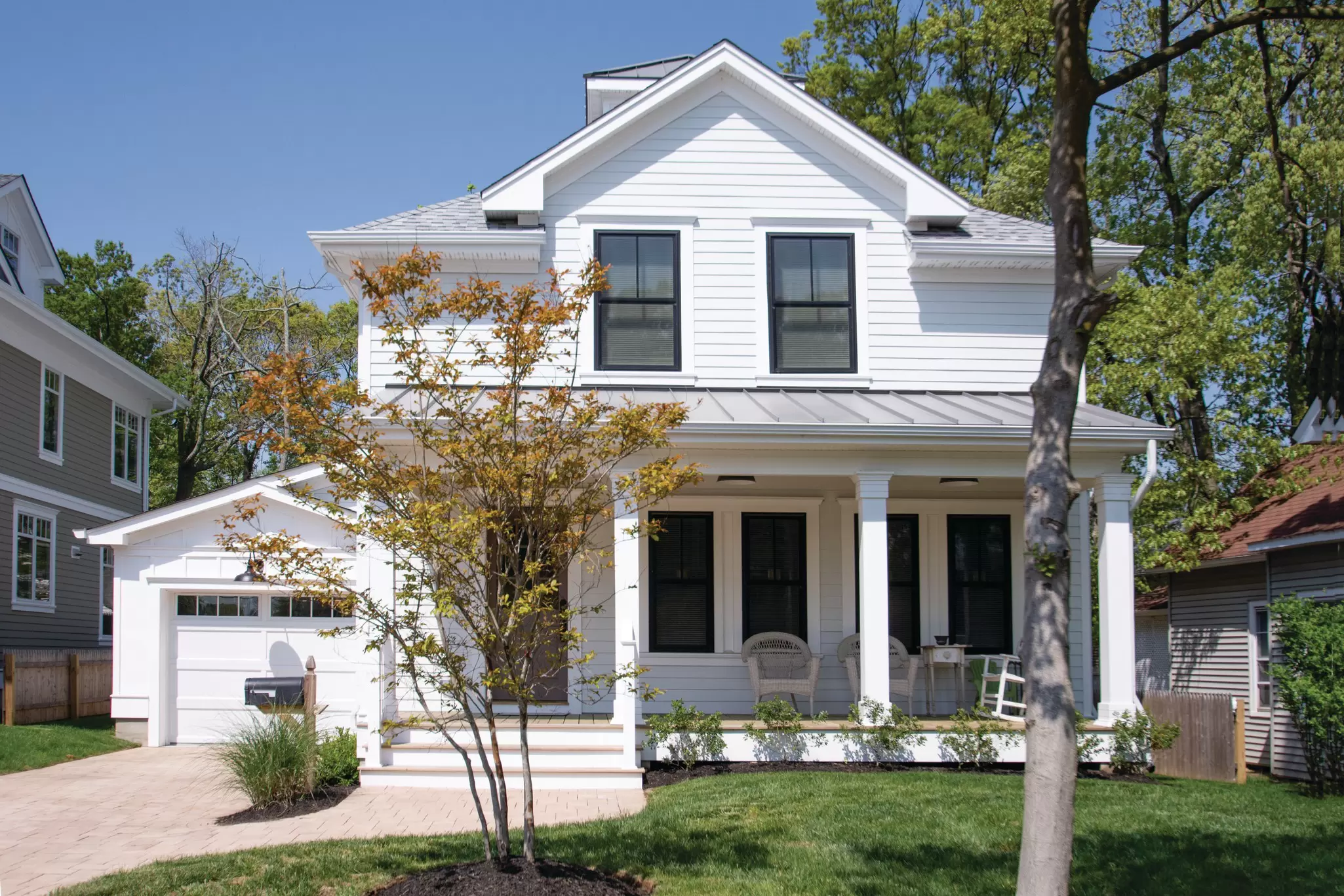
First impressions matter, especially in real estate. When buyers pull up to your home for the first time, they’re forming opinions before they even step through the front door.
Old, faded, or mismatched windows can make your entire home look dated and neglected. New windows, on the other hand, instantly refresh your home’s appearance and create a crisp, modern look that catches buyers’ attention.
Clean, uniform windows frame your home beautifully and make it stand out in listing photos – which is critical, since most buyers start their search online. Homes with great curb appeal get more clicks, more showings, and more offers. If your current windows are dragging down your home’s exterior appeal, replacing them could be one of the most impactful upgrades you make.
Energy efficiency attracts today’s buyers
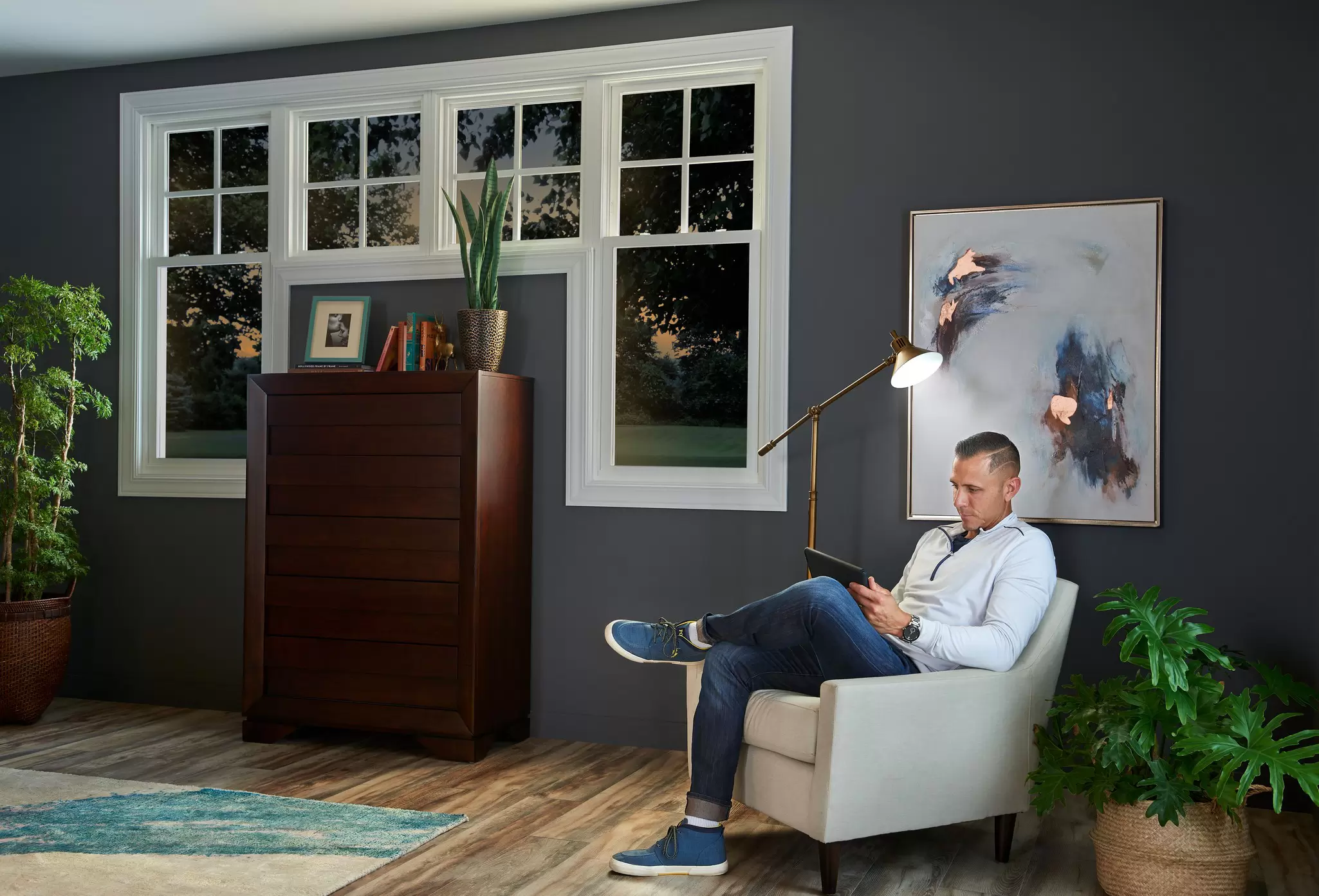
Energy efficiency is a top priority for many of today’s homebuyers. They want homes that will keep their utility bills low and stay comfortable year-round, especially in hot, humid climates. Old windows with single-pane glass or broken seals let conditioned air escape, forcing HVAC systems to work overtime and driving up energy costs.
New, energy-efficient windows with features like double-pane glass, Low-E coatings, and Energy Star certification can dramatically reduce energy consumption. Buyers recognize this value and are often willing to pay more for homes with energy-saving upgrades already in place. On average, homes marketed as energy-efficient tend to sell faster and command higher prices than comparable homes without those features.
For buyers in our region, energy efficiency ultimately means better protection against heat and humidity, which makes your home more comfortable and appealing from day one.
Modern windows signal a well-maintained home
Buyers are looking for homes that won’t require immediate repairs or upgrades. When they see new windows, they’re reassured that the home has been well cared for. It suggests that other systems – like the roof, HVAC, and plumbing – have likely been maintained as well.
On the flip side, old, damaged, or poorly functioning windows raise red flags. Buyers may worry about hidden issues like water leaks, mold, or poor insulation. Even if those problems don’t exist, the perception alone can lead to lower offers or requests for repair credits during negotiations. Replacing your windows eliminates those concerns and positions your home as move-in ready.
Reduced maintenance concerns for potential buyers
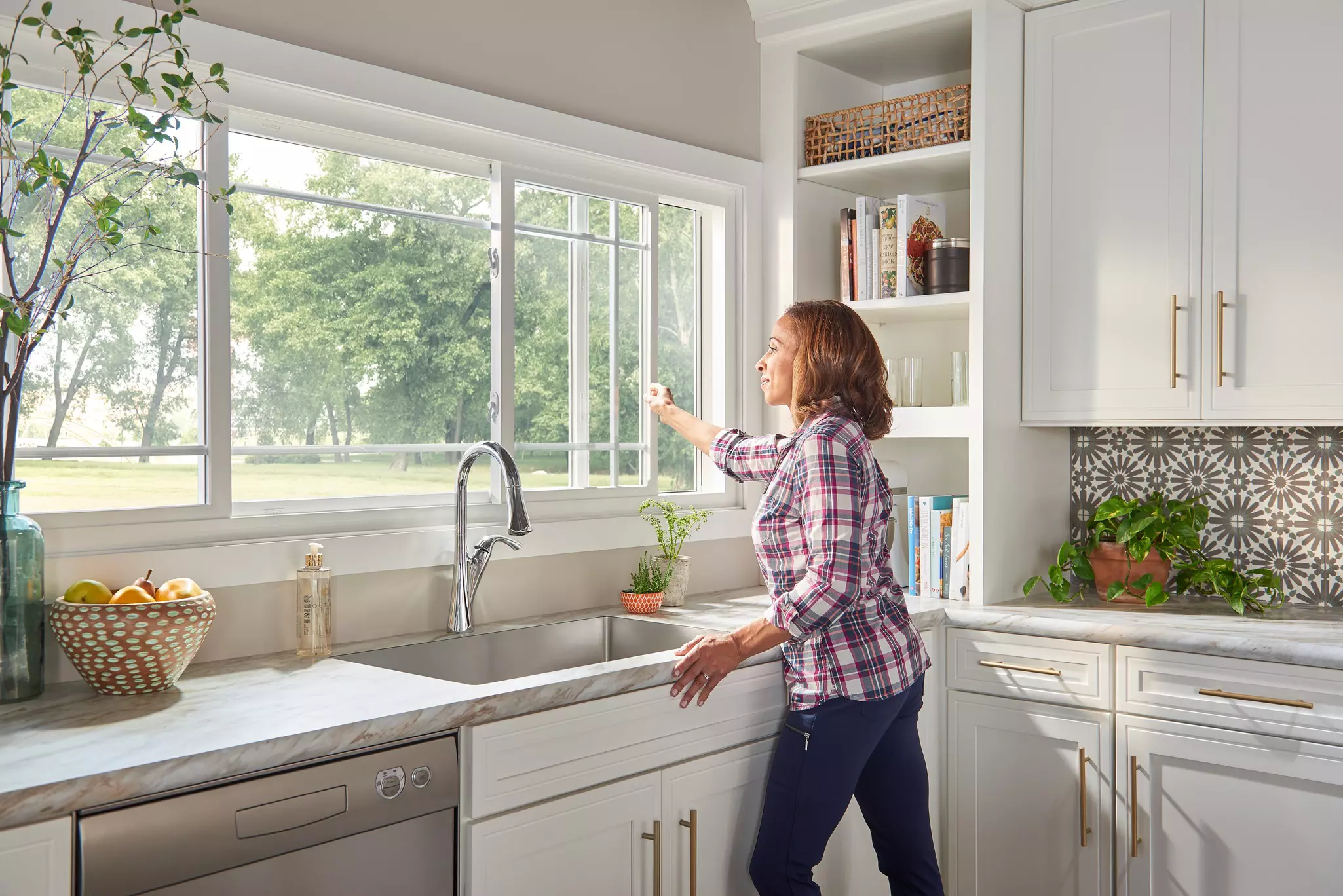
Nobody wants to buy a home and immediately start a list of projects. But new vinyl windows require little maintenance – no painting, no scraping, no sealing. They’re designed to last for decades with minimal upkeep, which is a huge selling point for busy buyers or those who aren’t handy with home repairs.
When you can tell buyers that your windows are brand new, low-maintenance, and backed by a fully transferable warranty, you’re giving them one less thing to worry about. That peace of mind can be the difference between an offer and a pass.
When replacing windows before selling makes the most sense
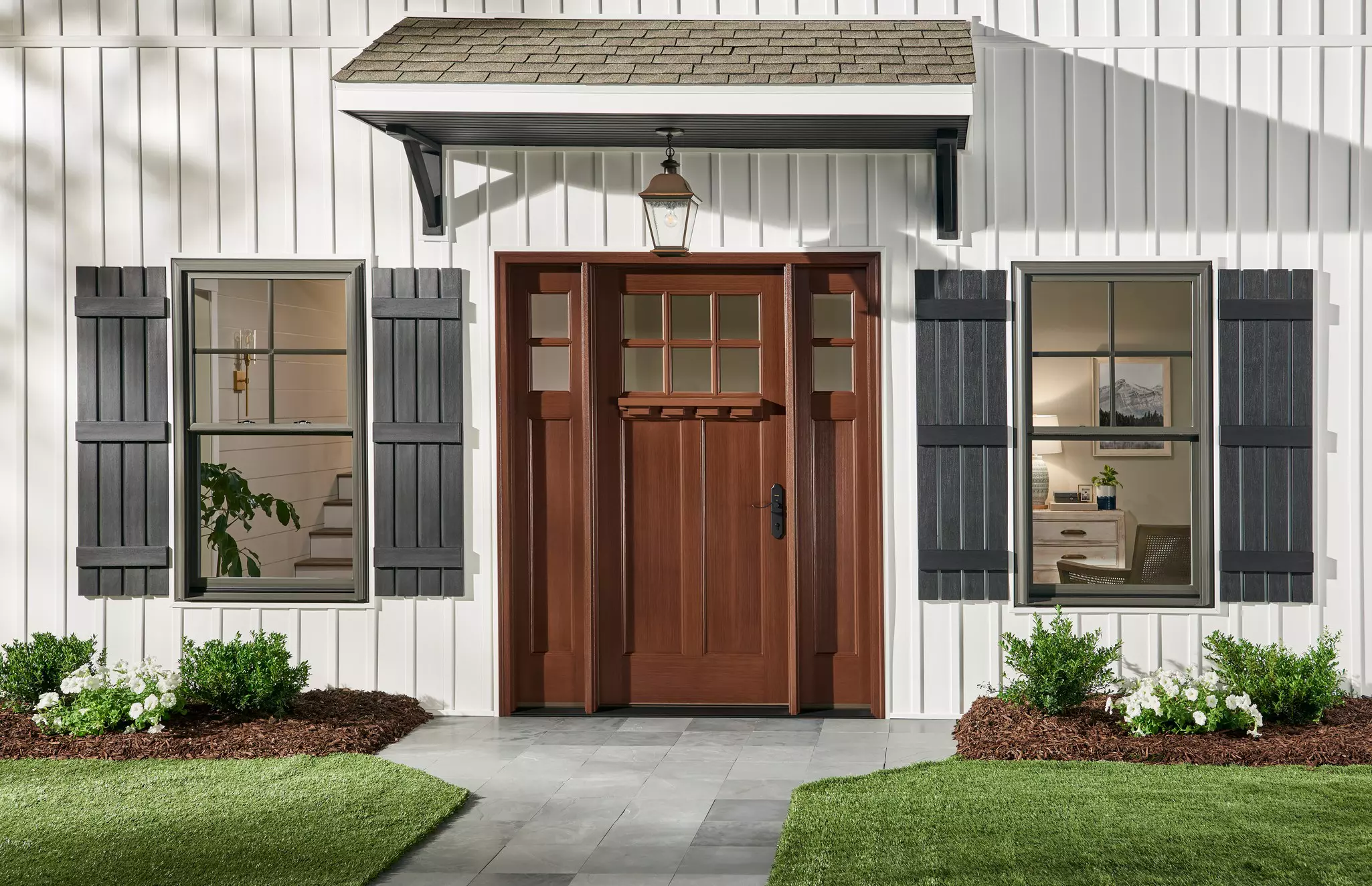
Window replacement isn’t always necessary before selling, but there are situations where it’s absolutely worth it. Here’s when investing in new windows will give you the biggest return.
Your windows are visibly damaged or outdated
If your windows are cracked, foggy, warped, or just plain old, replacing them is a no-brainer. Damaged windows are one of the first things buyers notice during showings, and they’re often flagged during home inspections. Even if everything else about your home is perfect, bad windows can tank your sale or lead to costly repair negotiations.
Outdated windows – especially aging wood windows that require constant maintenance or single-pane windows with no energy efficiency – can also hurt your home’s marketability. Modern buyers expect energy-efficient, low-maintenance features, and old windows simply don’t meet those expectations.
You’re selling in a competitive real estate market
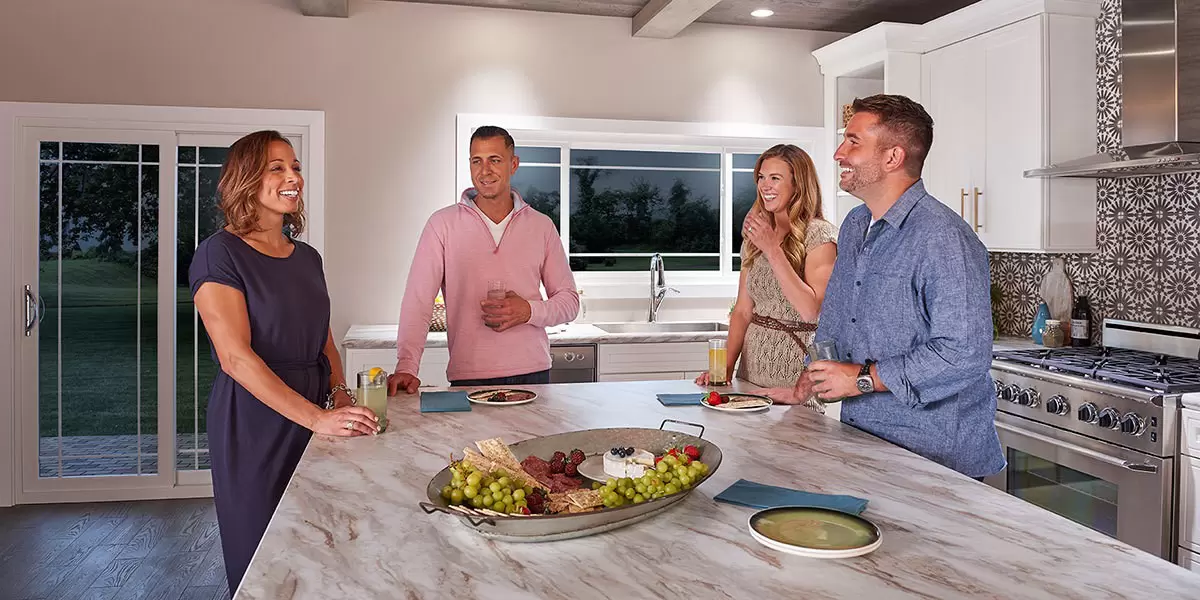
In a seller’s market, you might think you don’t need to invest much before listing. But even in competitive markets, buyers have choices. If there are multiple homes for sale in your neighborhood, new windows can give you a critical edge. They:
- Make your home more appealing
- Help it stand out in photos
- Create a sense of quality that buyers remember when comparing properties
In a buyer’s market, new windows are even more important. Buyers have negotiating power, and they’ll use outdated or damaged windows as leverage to ask for price reductions or repair credits. Installing new windows before you list eliminates that bargaining chip and positions your home as a premium option.
Your home has high energy bills
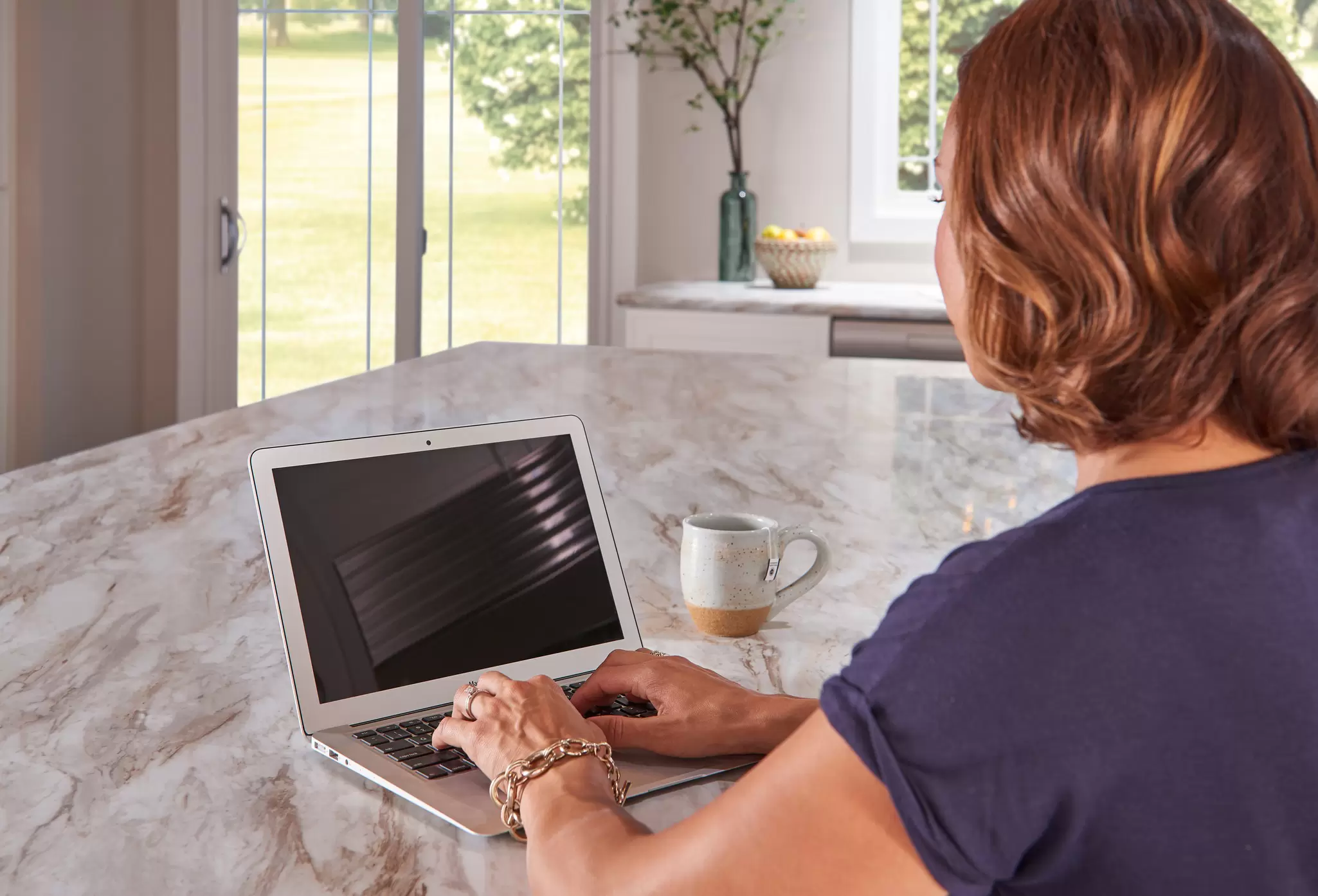
If your energy bills are noticeably high – especially in summer when the AC is running nonstop – buyers will likely experience the same issue. Savvy buyers often ask about utility costs during showings, and high bills can be a dealbreaker. Replacing old, inefficient windows with modern, energy-efficient options shows buyers that you’ve addressed the problem and that the home will be affordable to operate in the long term.
This is especially relevant in our region, where cooling costs can be a major concern. Buyers want to know that the home will stay comfortable without breaking the bank, and new windows deliver exactly that reassurance.
You have time before listing
Window replacement isn’t an overnight project. Between ordering, scheduling installation, and completing the work, it can take several weeks from start to finish. If you’re planning to sell in a few months and you know your windows need attention, replacing them now gives you time to enjoy the benefits before listing, plus ensures your home looks its absolute best when it hits the market.
If you’re already under contract or listing next week, window replacement might not be realistic. But if you have time to plan ahead, it’s one of the best investments you can make.
Maximizing your investment: choosing the right windows for resale value
Not all windows are created equal, and if you’re replacing them specifically to increase resale value, you want to choose options that will appeal to the widest range of buyers. Here’s what to look for.
- Energy-efficient vinyl windows: Double-pane glass with Low-E coatings delivers the energy savings buyers want. Look for Energy Star certification, which signals the windows meet strict performance standards.
- Impact-resistant windows: For homes near the Gulf Coast, hurricane protection is a major selling point. Impact windows reduce insurance costs, eliminate the need for shutters, and provide the peace of mind buyers actively seek in coastal areas.
- Transferable warranties: Windows backed by warranties that transfer to the new owner add significant value and remove concerns about future repair costs.
Choosing high-quality, low-maintenance windows with the right features ensures your investment pays off at closing.
Ask about energy-efficient replacement windows that add ROI
If your windows are old, damaged, or inefficient, replacing them before selling is one of the smartest moves you can make. New windows boost curb appeal, attract energy-conscious buyers, and deliver a strong return on investment, especially if you’re considering impact-resistant windows for the storm protection buyers demand.
At Window World of the Gulf Coast, we specialize in energy-efficient, impact-resistant windows designed for coastal living. We offer flexible financing options to make your project affordable, and our windows come with comprehensive transferable warranties that add value for the next owner of your home.
Ready to maximize your property’s resale value? Call Window World of the Gulf Coast today at (251) 664-4646 to schedule your free consultation or request a free quote online. Discover how the right windows can help your home in the long term.
Curb Appeal Tips That Lift Your Home’s First Impression
Curb appeal matters because people notice the front of homes before anything else. In Mobile, AL, where heavy rain and humidity can wear down exterior materials, even small upgrades can make a big difference.
That’s why Window World of Gulf Coast encourages simple, effective curb appeal tips that help your home look clean and welcoming without a major renovation.
Start With Your Front Door — It Sets The Tone
Your front door creates the strongest first impression, especially in Mobile. A clean, well-designed door instantly boosts the look of your home and pulls the eye toward the entry.
If you’ve been looking for curb appeal front doors that stand out, consider a bold color, a modern glass design or new hardware that brightens the entryway. A new door also helps improve energy performance, which is important in a humid Gulf Coast climate.
Upgrade Your Windows For A Cleaner, Brighter Exterior
New windows can change the entire look of the front of homes. Older frames can fade, warp or lose their shape in Mobile’s heat and moisture. Fresh, energy-efficient windows reflect light better and improve ventilation to make your home feel more inviting from the street.
Refresh Your Siding To Boost The Overall Look
Siding covers most of your home’s exterior, so it plays a big role in curb appeal. Updated siding can smooth out worn areas and give your home a clean, modern feel. Lighter colors brighten the exterior, while deeper tones add contrast around windows and doors.
In Mobile’s bright coastal light, colors with cool undertones tend to stay crisp longer. New siding also offers better protection from moisture and wind, which is a real benefit in this region.
Update The Roof For A Stronger, More Polished Home
A roof may not be the first thing you think of for curb appeal, but it has a major impact on how your home looks. Heavy rainfall in Mobile makes the roof more noticeable because stains, discoloration or lifting shingles draw the eye.
A newer roof creates a smoother line across the top of your home and ties the whole exterior together. It also strengthens your home against the weather, which adds value and peace of mind.
Add Small Finishing Touches That Stand Out
You don’t need a full renovation to give your home a lift. A few finishing touches can create a clean, polished look. Some of the things you could add are:
- New lighting fixtures at the entry
- Updated house numbers with easy-to-read fonts
- Fresh hardware, like door handles and hinges
- Shutters that match your window style
- Light landscaping touch-ups, like trimming or fresh mulch
Together, these touches help your home feel fresh without much effort.
How Window World Of Gulf Coast Helps Mobile Homeowners Boost Curb Appeal
Improving your curb appeal doesn’t have to be difficult. Window World of Gulf Coast helps you choose upgrades that support your home now and in the years ahead. You might refresh the windows, give the front door a new look, update worn siding or tackle the roof if it’s showing its age.
Each project plays a part in how your home looks from the street. With the Limited Lifetime Warranty, those updates come with long-term reassurance. Contact us today to take the next step in refreshing your home!
Fix Your Leaking Windows
When your home feels drafty or your energy bills start climbing, the culprit is often something simple: air or water leaks around your windows and doors. These leaks can make it harder to keep your home comfortable and efficient, especially during the Gulf Coast’s hot, humid summers.
At Window World of Gulf Coast, we understand how important properly sealed windows and doors are to maintaining comfort, energy efficiency and protection from the elements. Here’s how to check for leaks and prevent them from happening in the first place.
Why Air And Water Leaks Matter
Even small gaps around your windows or doors can cause significant problems over time. Air leaks allow conditioned air to escape, forcing your HVAC system to work harder and increasing your utility bills. Water leaks can lead to rot, mold and structural damage — especially in humid regions like Mobile, AL.
Preventing these issues isn’t just about comfort. It’s about protecting your investment and keeping your home energy efficient year-round.
How To Check For Air Leaks In Your Home
Knowing how to check for air leaks in your house is the first step toward solving the problem. Try these simple methods:
1. The Hand Test
On a windy day, hold your hand near window frames, door edges and electrical outlets. If you feel cool air coming through, you likely have a leak.
2. The Candle Or Incense Test
Light a candle or stick of incense near potential problem areas. If the smoke wavers or blows sideways, air is getting through.
3. Use A Flashlight At Night
Have someone stand outside while you shine a flashlight around window and door edges from inside. If they can see light escaping, air can escape too.
If you notice leaks, it’s time to take action before they lead to bigger problems.
Common Causes Of Window Air Leakage
Air leaks often occur for a few key reasons:
- Aging seals or caulking that have dried out or cracked
- Warped or damaged frames that no longer sit flush
- Poor installation from previous contractors
- Single-pane glass or outdated window materials that don’t insulate well
At Window World of Gulf Coast, our energy-efficient replacement windows feature high-quality weatherstripping and insulated glass packages that help minimize window air leakage, keeping your indoor environment stable and your energy costs low.
Why Your Front Door Might Be Leaking Air
A front door leaking air can cause temperature fluctuations, drafts and wasted energy. Common culprits include:
- Worn or missing weatherstripping
- Gaps between the door and threshold
- Warped door panels
- Improperly aligned hinges
Replacing old entry doors with new, energy-efficient models from Window World can help seal these gaps and improve insulation. Our entry doors and sliding patio doors are designed to create a tight, secure seal — protecting your home from air intrusion and water infiltration.
How To Prevent Future Leaks
Once your home is properly sealed, keep it that way with regular maintenance.
1. Inspect Annually
Check the seals, caulking and weatherstripping around windows and doors each year — especially before hurricane season.
2. Re-Caulk When Needed
Replace any cracked or peeling caulk with a high-quality exterior-grade sealant.
3. Clean And Maintain
Keep frames and sills clean of dirt and debris to ensure tight seals.
4. Upgrade When Repairs Aren’t Enough
If your windows or doors are more than 15–20 years old, upgrading to Window World of Gulf Coast’s energy-efficient replacements can dramatically reduce leaks and improve your home’s overall comfort and value.
Protect Your Home With Professional Installation
Even the best windows and doors can’t perform properly without expert installation. That’s why every product from Window World of Gulf Coast is professionally installed by trained technicians and backed by our Limited Lifetime Warranty.
We proudly serve homeowners across Mobile, AL, and surrounding Gulf Coast communities, helping families achieve greater energy efficiency, comfort and peace of mind.
Schedule Your Free Estimate Today
If you suspect your home is leaking air or water, contact Window World of Gulf Coast for a free, no-obligation estimate. We’ll assess your current windows and doors and recommend energy-efficient solutions to keep your home protected and comfortable year-round.
Window World of Gulf Coast — Superior Products, Professionally Installed, at a Guaranteed Low Price.
Why New Windows Stop Window Condensation And Protect Against Mold
Living in Mobile, AL, means dealing with high humidity throughout much of the year. While the warm Gulf Coast climate is part of what makes this area special, it also creates challenges for homeowners. One of the most common issues is window condensation, which can lead to mold on windows and damage to your home.
That’s why Window World of Gulf Coast provides energy-efficient replacement windows designed to reduce condensation and protect your home from moisture-related problems.
What Causes Condensation On Windows?
If you notice condensation on the inside of windows, it’s usually because warm, humid air comes into contact with a cooler glass surface. This creates water droplets that:
- Collect along window sills and frames
- Soak into wood trim, leading to rot
- Create the perfect environment for mold and mildew growth
Older, single-pane, or poorly insulated windows are especially prone to condensation because they don’t regulate indoor temperatures effectively.
The Connection Between Condensation And Mold
When condensation lingers, mold can begin to form. Mold on windows isn’t just unsightly — it also:
- Harms indoor air quality
- Triggers allergies and respiratory issues
- Causes staining and long-term damage to your home
Replacing old windows with energy-efficient options from Window World helps prevent condensation, reducing the risk of mold growth.
How Energy-Efficient Windows Solve The Problem
Energy-efficient windows are designed with features that stop moisture from collecting inside your home. Benefits include:
- Insulated glass — Double- and triple-pane windows keep interior glass surfaces warmer, reducing condensation.
- Low-E coatings — Reflect heat while allowing natural light, preventing temperature imbalances.
- Durable frames — Vinyl construction resists moisture and won’t warp, peel or rot.
- Tight seals — Professional installation ensures a snug fit that blocks humid air from entering your home.
By minimizing condensation, energy-efficient windows keep your home healthier and more comfortable year-round.
Why Choose Window World Of Gulf Coast
Mobile homeowners trust Window World of Gulf Coast because we provide more than just replacement windows. Our advantages include:
- Free estimates for every project
- Flexible financing options through Wells Fargo
- A Limited Lifetime Warranty that protects your investment
- Professional installation backed by decades of experience
When you choose Window World, you’re choosing a partner committed to helping your home withstand the Gulf Coast’s humidity while maintaining beauty, comfort, and efficiency.
Protect Your Mobile Home From Condensation And Mold Today
Don’t let window condensation lead to costly repairs or health concerns. Upgrading to energy-efficient windows from Window World of Gulf Coast is the proven solution for preventing mold on windows and keeping your home in top shape.
Call today or request your free estimate to discover how new windows can improve your home in Mobile, AL, and the surrounding Gulf Coast communities.


